



Snow Melting Solid Potassium Acetate for Airport Winter Maintenance
It's not possible for airports to stop during winter storms. Snow Melting Solid Potassium Acetate (CAS No. 127-08-2, CH₃COOK) is a white crystalline deicing agent that was made to work in dangerous places like airport runways, taxiways, and aprons. This acetate-based compound melts ice better than regular chloride salts, even at temperatures as low as -35°C, and it doesn't damage aircraft parts or road infrastructure. Because it breaks down naturally, it meets the stricter environmental rules at U.S. airports. This makes it a smart choice for buying managers who care about both operating safety and environmental duty.
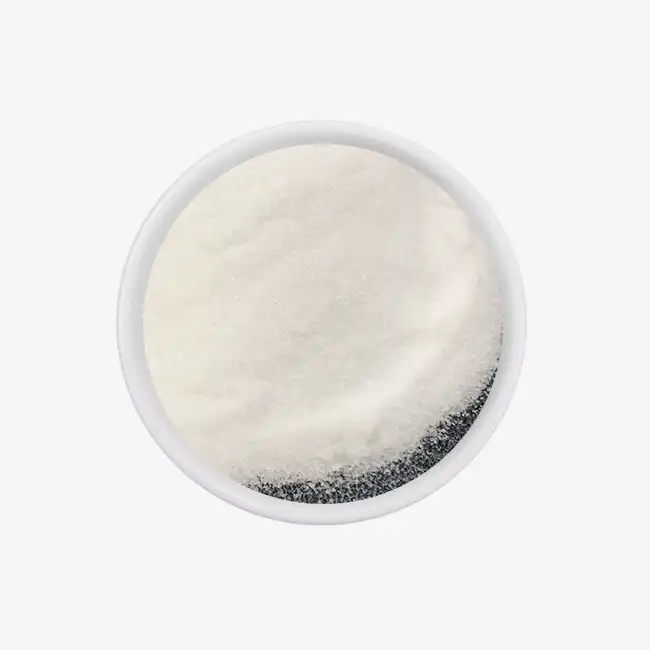
Understanding Solid Potassium Acetate for Snow Melting
How Potassium Acetate Works on Ice?
It's very easy for potassium acetate molecules to separate in water. This releases potassium and acetate ions that break up hydrogen bonds in the ice crystal. This process makes water less likely to freeze by lowering the colligative depression. This puts a layer of salty water between the ice and the sidewalk so they can't stick together again. Because it is very good at pulling water out of the air, it speeds up the process of making brine more quickly than calcium magnesium acetate (CMA) can in the same situations.
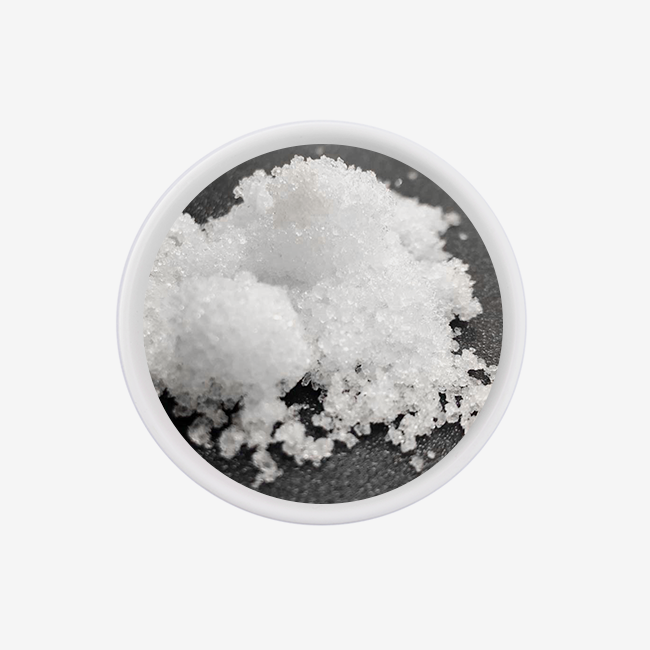
It's easy for alcohol, water, and acid to break down the white crystal pieces of the product. All grains perform the same in terms of heat because they are all ≥99.0% pure and have a molecular weight of 98.14 g/mol. To be exact, the eutectic point is -60°C. However, rapid-activation works down to -30°C, which is much lower than the temperatures below -7°C where rock salt usually fails.
Why Airports Prefer an Acetate-Based Deicer?
It's especially hard for airport officials to follow the rules. There are strict rules from both the FAA and the EPA about how much salt and biological oxygen demand (BOD) can be let out of airport water. Ions that stay in groundwater for a long time are polluted by chloride-based deicers. These ions damage important parts of all commercial aircraft, like carbon brakes, aluminium alloys, and cadmium-plated parts. Bacteria in the earth quickly break down the acetate ion in potassium acetate into carbon dioxide and water, which makes it much less harmful to the environment [²]. This ability to break down naturally also helps airports that are near protected rivers or sensitive wetlands stay in line without affecting how well they deice.
Advantages of Using Solid Potassium Acetate in Airport Winter Maintenance
More and more, airport repair teams across the US are using Snow Melting Solid Potassium Acetate instead of urea and glycol-based fluids. It's easy to see why this is good for speed, but the case for protecting infrastructure is just as strong.
Here are the main benefits that this deicing agent brings to operations:
- Extreme-temperature reliability: The compound works quickly even at -30°C in real life, keeping runways clear during the harsh Arctic cold fronts that sometimes hit airports in the northern U.S. When this level is reached, rock salt stops being useful.
- Non-corrosive chemistry: Immersion tests in the lab using standards from SAE AMS 1435 show that aluminium alloys and structural steel don't corrode much when exposed to potassium acetate solutions. This is very different from sodium chloride, which speeds up electrochemical corrosion on both rebar and aircraft metals [³].
- Pavement longevity: Potassium acetate does not directly attack cement paste like chloride salts do, which can get into the pores of concrete and cause it to crack when it freezes and thaws. When airports use acetate deicers, the costs of fixing concrete are measurably lower over five-year maintenance cycles.
- Personnel safety: The compound is not very toxic at first, so there are fewer health risks for ground crews working with it during the winter. For safe handling, storing things correctly in a dry, well-ventilated warehouse away from water and things that don't go together is enough.
These benefits directly lead to lower total lifecycle costs for maintaining airport pavement and aircraft. This is important when procurement teams have to balance budgets for seasonal deicing with long-term investments in infrastructure.
Comparison and Practical Procurement Considerations
Solid Potassium Acetate vs. Other Common Deicers
| Deicer | Effective Temp. | Corrosive | Biodegradable | BOD Impact |
|---|---|---|---|---|
| Rock Salt (NaCl) | Above -7°C | High | No | Low |
| Urea | Above -10°C | Low | Yes | High |
| CMA | Above -15°C | Very Low | Yes | Moderate |
| Magnesium Chloride | Above -15°C | Moderate | No | Low |
| Potassium Acetate | Down to -30°C | Negligible | Yes | Moderate |
Urea doesn't work well when it's cold, and the nitrogen it contains makes nearby water bodies more eutrophic, unlike Snow Melting Solid Potassium Acetate. CMA is good at stopping corrosion, but it doesn't melt as quickly as is needed for busy airport operations. Potassium acetate fills the gap because it is biodegradable, doesn't corrode, and works reliably in situations that other deicers can't handle.

Solid vs. Liquid Form: Which Is Right for Your Airport?
When it comes to storage, shipping, and pre-wetting, solid potassium acetate crystals are more useful. When there is a lot of runoff, liquid solutions can move off the edges of the sidewalk, which shortens the touch time. When solid granules are put on apron surfaces directly, they stay in place longer. This gives maintenance crews more options for when to apply them before storms. When bought in bulk, the solid form comes in either 25 kg plastic woven bags or 1,000 kg ton bags. This makes logistics management easy for airport warehouses that are in charge of seasonal stock.
To make sure that the freezing-point depression theory works, procurement managers should focus on purity grades of 98% or more. A moisture level of less than 1% stops caking and spreader blocking. Check that the chloride content stays below 0.2 percent and the water-insoluble content stays below 0.05%. These are both signs of a high-quality product that can be used in sensitive flight settings.
Application Guidelines for Effective Airport Snow Melting
Best Practices for Runway and Apron Treatment
When deicing an airport, timing is very important. Applying a pre-treatment 30 to 60 minutes before a predicted rain event stops the initial ice from forming, which means less product is needed overall compared to applying it after the storm. Spreaders that are mechanical and are set for granule size make sure that the material is spread evenly across the pavement surfaces without being too heavy near drainage lines.
Instead of just using air temperature to change the dose, the temperature of the pavement and the air temperature should also be taken into account. Standard application rates are enough when the surface temperature is between -5°C and -15°C. Below -15°C, the best results come from slightly higher rates mixed with mechanical grinding. Do not use too much near soil beds or buffer zones with plants, because even soluble chemicals can change the potassium balance in the soil if they are present in too high a concentration [⁴].
Continuous monitoring with temperature monitors built into the pavement for Snow Melting Solid Potassium Acetate is now standard at big U.S. hub airports. This lets maintenance teams exactly time replenishment cycles, which extends surface protection through multi-day storm events without using extra product.
Trusted Suppliers and Brand Selection for Solid Potassium Acetate
What to Look for in a Potassium Acetate Manufacturer?
Choosing the right Snow Melting Solid Potassium Acetate supplier affects both how well the product works and how reliable the supply chain is. In this field, certifications are very important. Verified quality management systems, environmental compliance, and group tracking documents are what set trustworthy makers apart from unreliable middlemen.
SHANXI ZHAOYI CHEMICAL was established in 1988 and has a 27,000 m² facility in Shanxi, China. It has ISO 9001, ISO 14001, and ISO 45001 certifications, as well as KOSHER and HALAL certifications for certain grades. The company keeps up a steady production level of 150,000 tonnes of all of its acetate products every year, which helps keep big U.S. airport buying contracts stable. Purity, moisture, insolubles, salt content, and trace metals are just some of the things that are tested internally on every production batch. Full COA and MSDS paperwork is provided in English.
With lead times of 5–7 working days and shipping terms like FOB, CIF, and DAP, procurement managers can plan for predictable delivery windows that work with pre-season stocking schedules. Technical help is provided 24 hours a day, seven days a week.
Conclusion
Snow Melting Solid Potassium Acetate(CAS No.: 127-08-2) in solid form is the best way to clear ice off of airport runways where chloride options aren't possible because they are bad for the environment, the buildings, or the operations. It works consistently in extreme temperatures, protects ground and aeroplane infrastructure, and biodegrades without leaving behind chemicals that are hard to get rid of. These are the main goals of U.S. airport winter maintenance programs. By picking a provider with tested purity standards, a large production scale, and quick shipping support, you can be sure that the product will work as described on the specification sheet.
FAQ
Does solid potassium acetate damage airport pavements?
No, potassium acetate does not chemically attack cement paste or cause it to break apart when it freezes and thaws. It doesn't make it easier for chloride to get into concrete, which is what causes rebar rust and sidewalk scaling.
How does it compare to rock salt at low temperatures?
Below about -7°C, rock salt stops working well. With a potential eutectic point of -60°C, potassium acetate can still melt ice quickly down to -30°C in real life. This makes it a good choice for harsh winters in northern U.S. airports.
Is it safe for surrounding vegetation and drainage systems?
Microbial activity easily breaks down the acetate ion into carbon dioxide and water. It is much less harmful to plants and aquatic life than chloride-based options, but it is still a good idea to control the amount near drainage canals.
What purity grade is appropriate for aviation applications?
For airport-grade uses, the purity should be at least 98–99% (CH₃COOK content), the moisture level should be below 1%, and the chloride level should be less than 0.2% to meet the needs of infrastructure compatibility and environmental discharge.
Can it be stored outdoors in bulk?
No, because it is very hygroscopic; storing it outside makes it melt too quickly. During transport and storage, the goods must stay in sealed bags in a dry, well-ventilated warehouse, away from things that don't go with them.
Partner with SHANXI ZHAOYI CHEMICAL for Reliable Airport Deicing Supply
Finding a Snow Melting Solid Potassium Acetate(CAS No.: 127-08-2) company you can trust for regular quality and on-time delivery is important for getting your airport ready for winter. Every order comes from SHANXI ZHAOYI CHEMICAL, which has been making acetate for more than 35 years and has ISO-certified quality standards and a capacity of 150,000 tonnes per year. Get in touch with our technical team right away to get product samples, COA paperwork, or a bulk price quote that fits your holiday needs. To start talking about buying, email us at sxzy@sxzhaoyi.com or go to sxzhaoyi.com.
References
1. Blackburn, R. R., Amsler, D. E., & Bauer, K. M. (2004). Improved Methods for Snow and Ice Control on Highway Bridges. Transportation Research Board, National Academies. https://onlinepubs.trb.org/onlinepubs/nchrp/nchrp_rpt_526.pdf
2. U.S. Environmental Protection Agency. (2000). Preliminary Data Summary: Airport Deicing Operations. EPA Office of Water. https://www.epa.gov/sites/default/files/2015-11/documents/airport-deicing.pdf
3. SAE International. (2012). AMS 1435 — Fluid, Generic, Deicing/Anti-Icing Runways and Taxiways. SAE Standards. https://www.sae.org/standards/content/ams1435/
4. Federal Aviation Administration. (2021). Airport Winter Operations. FAA Advisory Circular AC 150/5200-30E. https://www.faa.gov/documentLibrary/media/Advisory_Circular/AC_150_5200-30E.pdf
5. ISO. (2015). ISO 9001:2015 Quality Management Systems — Requirements. International Organization for Standardization. https://www.iso.org/standard/62085.html
6. Levelton Consultants Ltd. (2007). Guidelines for the Selection of Snow and Ice Control Materials to Mitigate Environmental Impacts. Transportation Association of Canada. https://www.tac-atc.ca/sites/default/files/site/doc/resources/publications/snowicecontrol.pdf

USER EVALUATE
Here is the customer's evaluation of us
YOU MAY LIKE
 VIEW MOREDairy Product Sodium Acetate Trihydrate
 VIEW MOREFeed-Grade Sodium Diacetate
 VIEW MORESnow Melting Liquid Potassium Formate
 VIEW MOREFertilizer Solid Potassium Formate
 VIEW MOREDeicing Solid Sodium Formate
 VIEW MOREMetal Bridge Solid Potassium Acetate
 VIEW MOREFood-Grade Sodium Acetate Anhydrous
 VIEW MOREAcidity Adjustment Sodium Acetate Trihydrate