



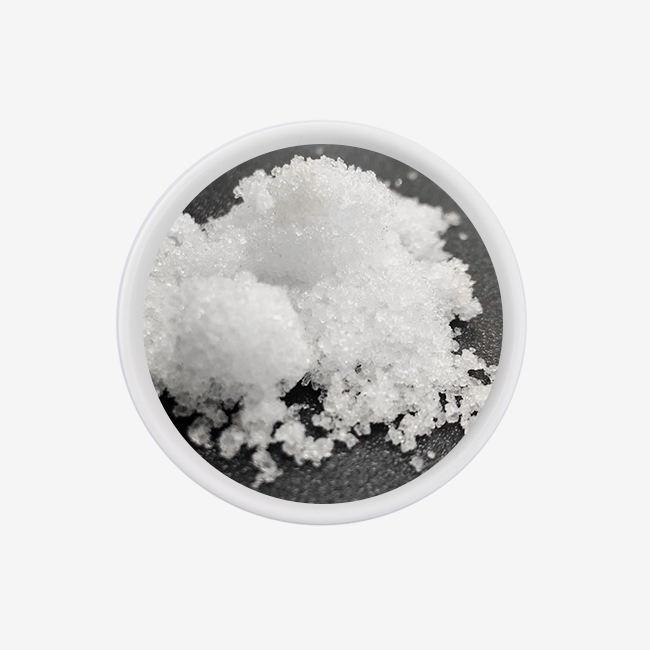
Dairy Product Sodium Acetate Trihydrate
CAS NO.: 6131-90-4
Molecular Formula: CH3COONa·3H2O
Molecular Weight: 136.08
Character: Colorless crystal, it is soluble in water and alcohol and lightly soluble in acetic acid; specific gravity:1.45; melting point: 58℃.
Usage:It should be stored in a dry and ventilative warehouse, kept away from heat and moisture during transportation, unloaded with care so as to avoid damage. Furthermore, it must be stored separately from poisonous substances.
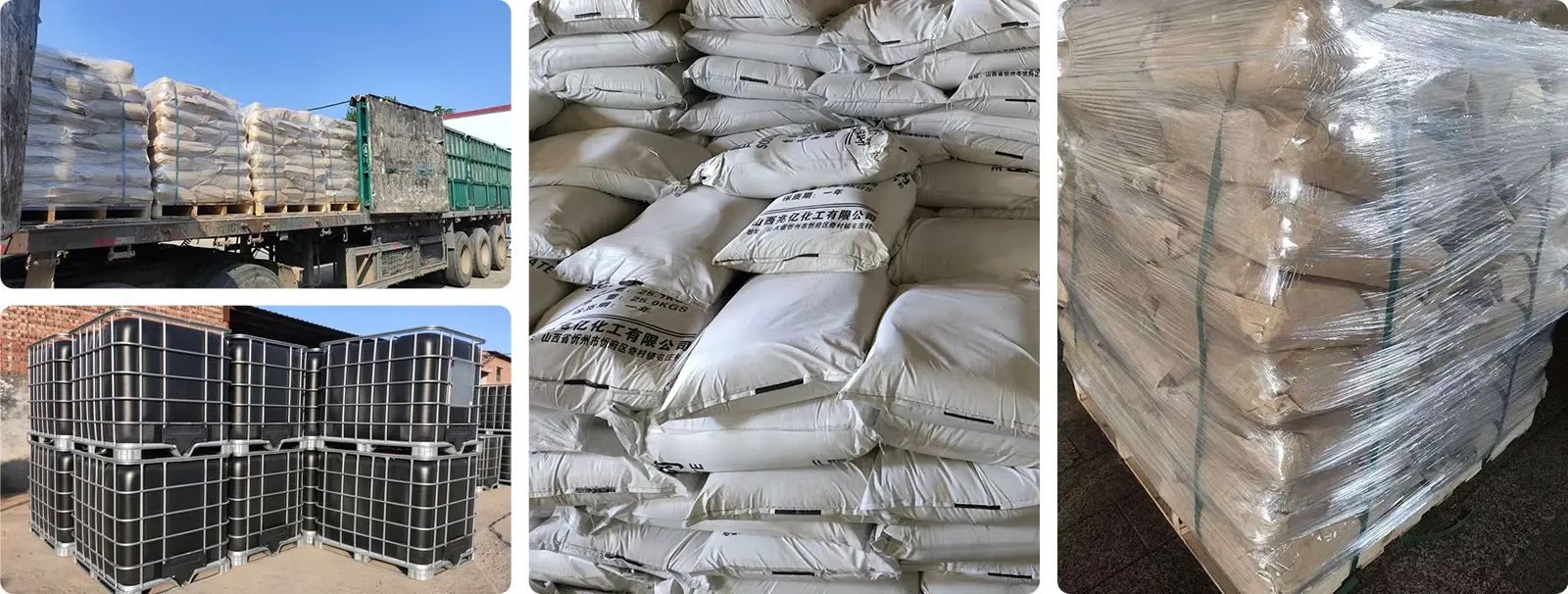
Package: 25kg plastic woven bag or 1000kg Ton-bag
Storage: It should be stored in a dry and ventilative warehouse, kept away from heat and moisture during transportation, unloaded with care so as to avoid damage. Furthermore, it must be stored separately from poisonous substances.
- Product Description
Dairy Product Sodium Acetate Trihydrate for Food Manufacturing | pH Buffer & Preservative Solution
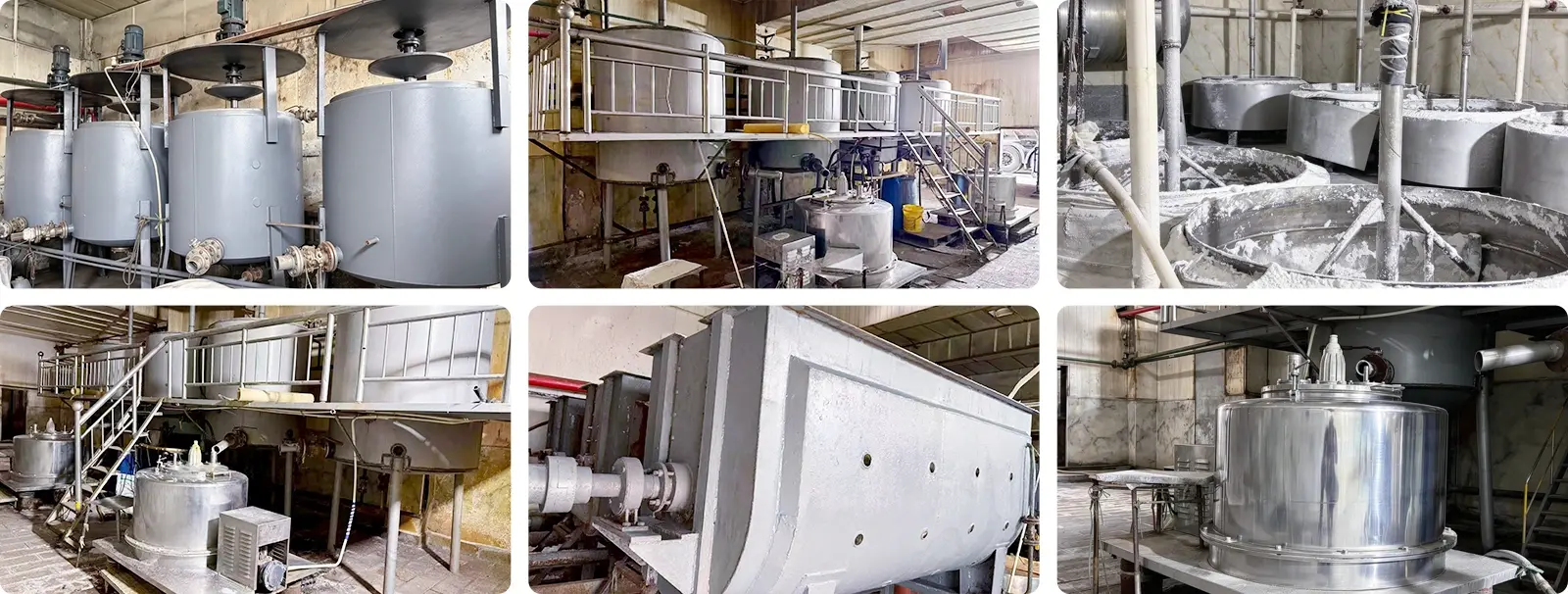
Dairy Product Sodium Acetate Trihydrate (CAS 6131-90-4, E262i) is a food grade organic sodium salt, formulated to meet the stringent standards of dairy processing. Produced by Shanxi Zhaoyi Chemical Co., Ltd. — The product, created by a 30 year old firm with a capacity of 150,000 tonnes, provides accurate pH buffering, antimicrobial protection and emulsification stability in a wide range of dairy applications. Our 27,000 m² facility surpasses the most stringent food safety criteria for your supply chain and every batch is accompanied by ISO 9001, Halal and Kosher certifications.

Technical Specifications
Parameter | Specification |
Product Name | Dairy Product Sodium Acetate Trihydrate (Food Grade) |
CAS Number | 6131-90-4 |
Molecular Formula | CH3COONa·3H2O |
Molecular Weight | 136.08 g/mol |
Content (CH3COONa·3H2O) | 99-100% |
Free Alkali | ≤0.12% |
Potassium (K) | ≤0.01% |
Lead (Pb) | ≤0.0005% |
Arsenic (As) | ≤0.0001% |
Free Water | ≤0.1% |
Appearance | Colorless transparent crystals |
Specific Gravity | 1.45 |
Melting Point | 58°C |
Solubility (20°C) | 46.5g/100ml water |
pH (1:10 solution) | 7.5-9.0 |
Water Content | 36-41% |

What Is Dairy Product Sodium Acetate Trihydrate?
It is a colourless crystalline salt, with molecular weight of 136.08 and specific gravity of 1.45. It is chemically represented as CH3COONa.3H2O. It melts at 58°C and is soluble in water and alcohol, but only to a small extent in acetic acid.
The crystal water structure makes the trihydrate form different from typical industrial grades. This design offers rapid and uniform dissolving in cold or warm aqueous dairy blends – a salient benefit in high volume processing. It is also used as a buffering agent, acidity regulator and bacteriostatic preservative in the dairy industry. The food additive code for this is E262i.
Key Product Characteristics
Its buffering activity in the pH range 4.5-6.0 is very helpful in ensuring the stability of dairy proteins. Casein networks in fermented and processed dairy products are very sensitive to pH changes and small changes may result in faults in texture or premature spoiling.
Dairy Product Sodium Acetate Trihydrate form has an endothermic dissolving action that may assist minimise temperature spikes in high shear activities such as cheese cooking and mixing. This thermal benefit is frequently ignored, but is why it is favoured over the anhydrous form in many manufacturing settings.
A uniform crystal size distribution guarantees constant dissolution rates throughout mixing phases, decreasing batch-to-batch variability, which is a top buying objective for professional dairy formulators and quality managers.
Applications in Dairy Processing
Processed Cheese Spreads and Blocks
Emulsifying salts and sodium acetate work together in complicated emulsions to keep dairy products from separating their fat and casein. It keeps food fresh for weeks in the fridge without changing its texture or flavour by inhibiting psychrotrophic bacteria.
Fermented milk products: Yoghurt and sour cream
Post-acidification, the continuing reduction in pH during cold storage, is a key quality concern in fermented dairy. This chemical acts as a precise buffer to stop that acidification process so goods don't get too sour and to minimise syneresis (whey separation). The result is a smoother, creamier mouthfeel that is retained during the long shelf life.
Sauces and Dips Based on Dairy
Formulations with dairy solids with high water activity are especially prone to yeast and mould formation. Used at 0.1-0.5% (wt.) this ingredient offers vital antibacterial protection, while lending a delicate salty-vinegar flavour character. The dual functionality helps sodium reduction techniques - formulation engineers may decrease table salt (NaCl) by 20 – 30% without compromise to preservation or flavour intensity.

Dairy Product Sodium Acetate Trihydrate vs Other Products
Feature | Our Trihydrate Formula | Anhydrous Sodium Acetate | Potassium Sorbate | Calcium Propionate |
Buffering Capacity | Excellent (pH 4.5-6.0) | Good | None | Minimal |
Cold Solubility | Rapid (46.5g/100ml) | Moderate (clumps) | Good | Poor |
Antimicrobial Range | Broad spectrum | Broad spectrum | Yeast/mold only | Mold only |
Flavor Impact | Mild salty-vinegar | Stronger acetate | Neutral to off-note | Slight dairy note |
Sodium Content | 16.9% | 28.0% | None | None |
Heat Stability | Excellent | Excellent | Degrades >70°C | Good |
Regulatory Status | E262i (global) | E262i (global) | E202 | E282 |
Cost Efficiency | High value | Moderate | Higher | Lower |
Quality Control Standards
Shanxi Zhaoyi Chemical Co., Ltd. applies rigorous quality inspection protocols specifically aligned with dairy safety requirements. Each batch Dairy Product Sodium Acetate Trihydrate undergoes the following evaluations:
Microbial Purity Testing — All batches are tested for Salmonella, E. coli, and total plate count to prevent cross-contamination within dairy culture chains.
Alkalinity/Acidity Titration — Buffering strength is verified batch by batch to prevent pH variance in sensitive dairy formulations.
Oxidizable Substances (Permanganate Test) — This critical purity test screens for organic impurities that could introduce off-flavors into neutral-tasting milk-based products.
Particle Size Distribution — Crystal uniformity is confirmed to guarantee consistent dissolution performance during blending.
All production processes align with FSSC 22000 and HACCP compliance frameworks, and documentation including COA, MSDS, and conformity reports is available in multiple languages.
Certifications & Compliance
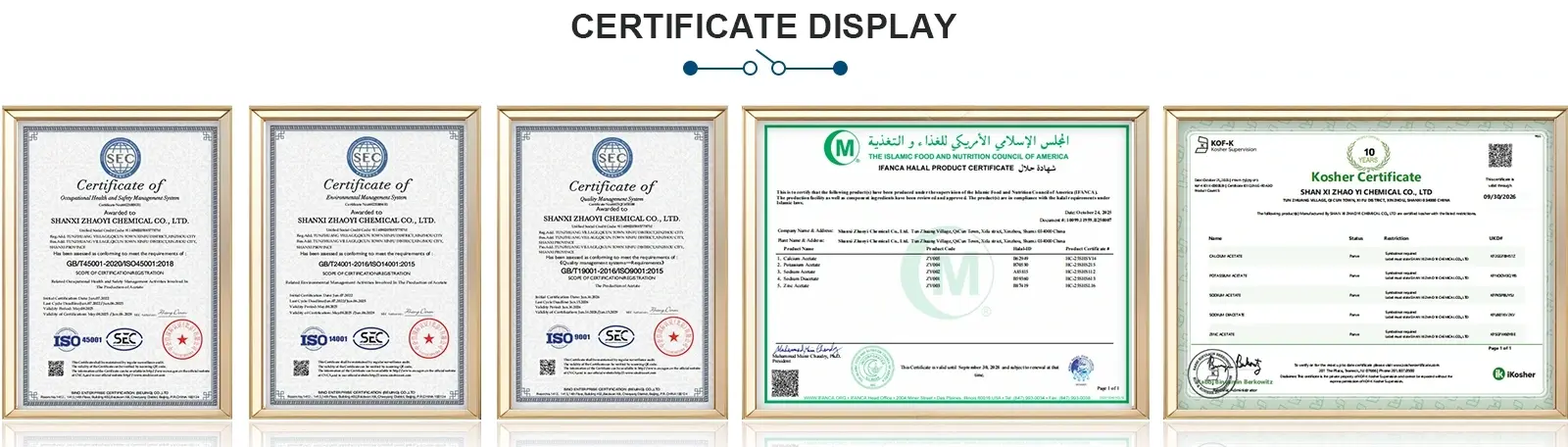
Shanxi Zhaoyi Chemical Co., Ltd. holds internationally recognized certifications that directly support your procurement and regulatory compliance requirements:
- ISO 9001 – Quality Management System
- ISO 14001 – Environmental Management System
- ISO 45001 – Occupational Health and Safety
- Kosher Certification – Suitable for kosher-compliant product lines
- Halal Certification – Applicable for halal food manufacturing
As a certified seller of food-grade sodium acetate, the company lets foreign buyers do on-site plant checks and can give you all the legal paperwork you need for your target market. If you ask, you can get regulatory files for the EU, the US, and other big countries that back up the sodium acetate E262 preservation label.
Packaging, Storage & Supply
Packaging options:
- 25 kg plastic woven bags
- 1,000 kg ton bags
Storage requirements: Store in a cool, dry and properly ventilated building. Do not expose to heat or water in transit. Be careful not to damage the packaging. Stay clear of dangerous items.
Lead time: Most products will be sent out in 5-7 business days. In stock orders ship within 24 hours. The organization keeps stocks of standard sizes as a precautionary step to service the requirements of small and medium sized customers.
Shanxi Zhaoyi Chemical Co., Ltd. supports FOB, CIF, and DAP trade terms with flexible payment arrangements and long-term supply framework agreements available.
FAQ
Q:How does the trihydrate form compare to anhydrous sodium acetate in dairy processing?
A: The trihydrate form dissolves more easily in cold or warm water-based cheese mixes because it has a crystal water structure. It is more likely for the anhydrous grade to clump when it is handled, which could cause problems when it is mixed. The trihydrate is what most dairy production lines really want.
Q:Does this thing kill Listeria in soft cheeses?
A: Yes. It is an important component of hurdle technology processes used in the production of high-moisture cheese by modulating the transmembrane pH gradient of Listeria monocytogenes, in combination with appropriate pH and water activity management.
Q: Does it partly replace salt (NaCl) in the cheese formulations?
A: It can help cut salt a little. Formulation engineers normally can cut NaCl by 20-30% with little negative impact on preservation or taste, producing a moderate salty-vinegar flavour and increased microbiological safety.
Q: Would it impact yoghurt texture?
A: Just good. This helps to stabilise the pH and avoid over-acidification which would cause the protein network to tighten up too much, resulting in less syneresis and a smoother, creamier texture over the whole shelf life of the product.
Q: What is the appropriate dosing rate?
A: Typically 0.1%–0.5% by weight, depending upon the desired pH and desired extension of shelf-life. Levels over 1.0% may impart a distinct acetic note which is not desired in most dairy applications.
Q: What paperwork regarding regulatory filing is available?
A: Full paperwork is supplied including COA, MSDS, Halal and Kosher certifications and declarations of conformity. Multilingual versions may be developed upon request to accommodate market registrations in Europe, Americas and Asia.

Contact Us
Reach our Dairy Product Sodium Acetate Trihydrate technical and sales team at sxzy@sxzhaoyi.com — responses within 2 hours, with 24/7 technical consultation available.

USER EVALUATE
Here is the customer's evaluation of us
YOU MAY LIKE
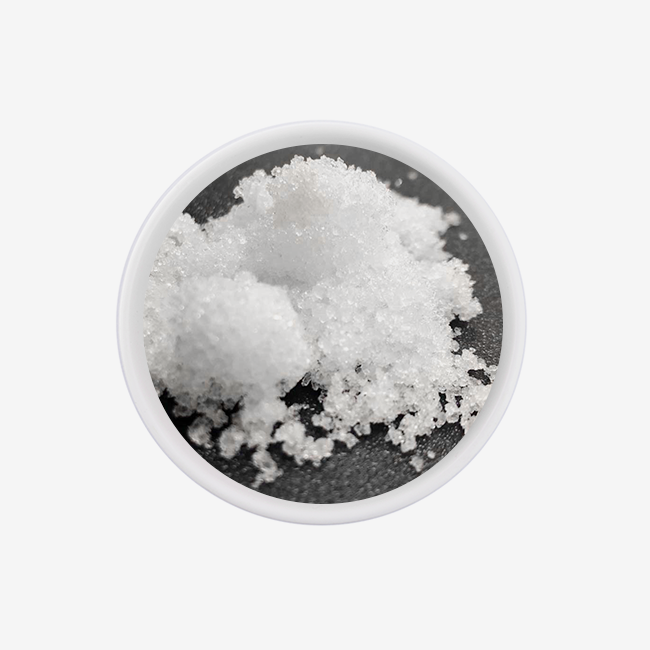 VIEW MOREPastry Sodium Acetate Trihydrate
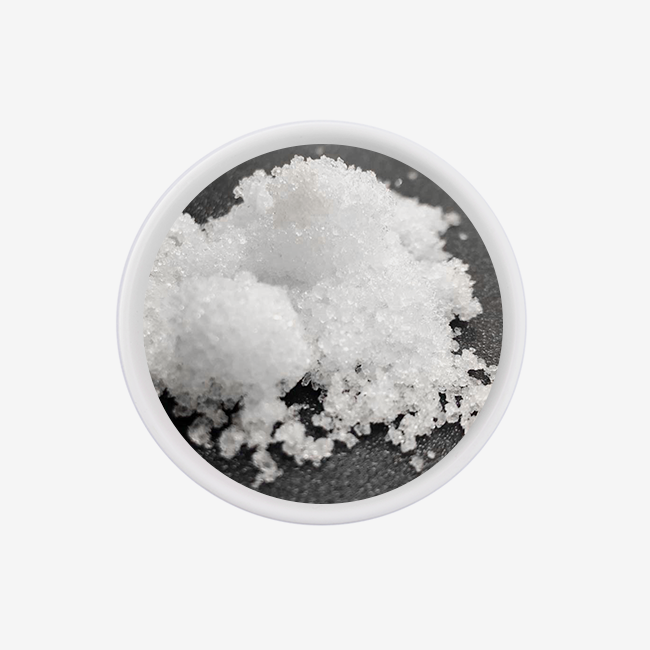 VIEW MOREBeverage Sodium Acetate Trihydrate
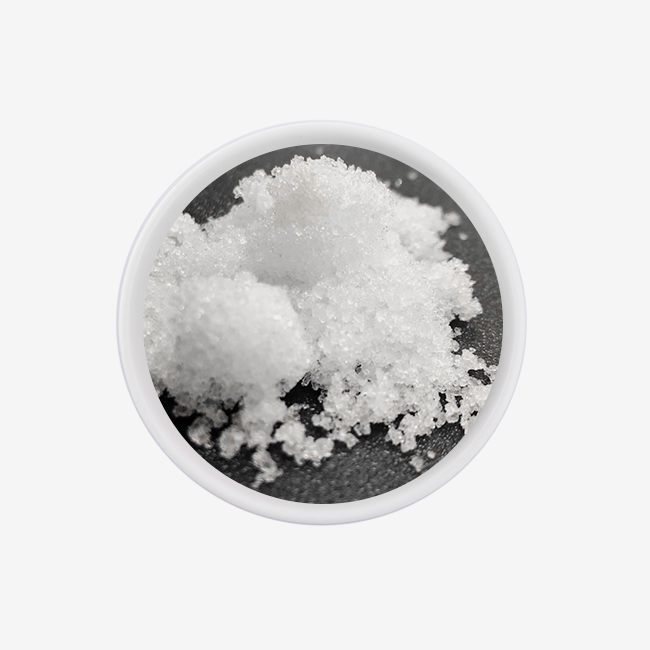 VIEW MORECondiment Sodium Acetate Trihydrate
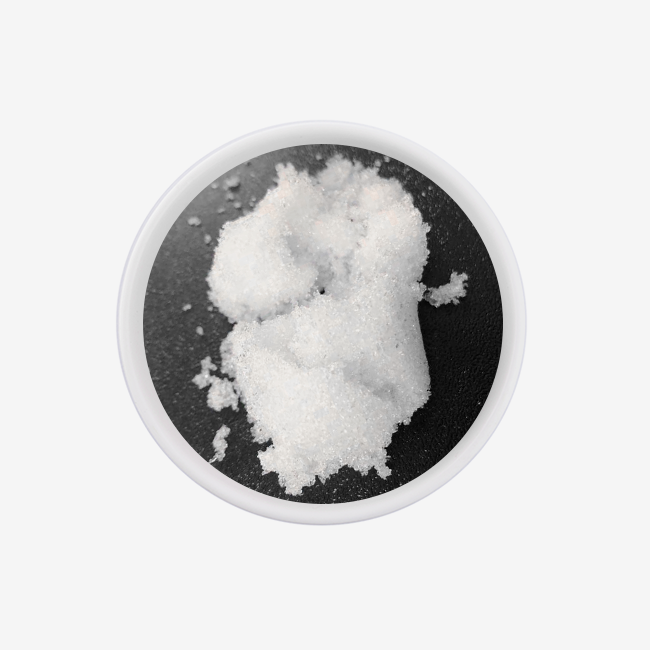 VIEW MORECosmetic Sodium Acetate Trihydrate
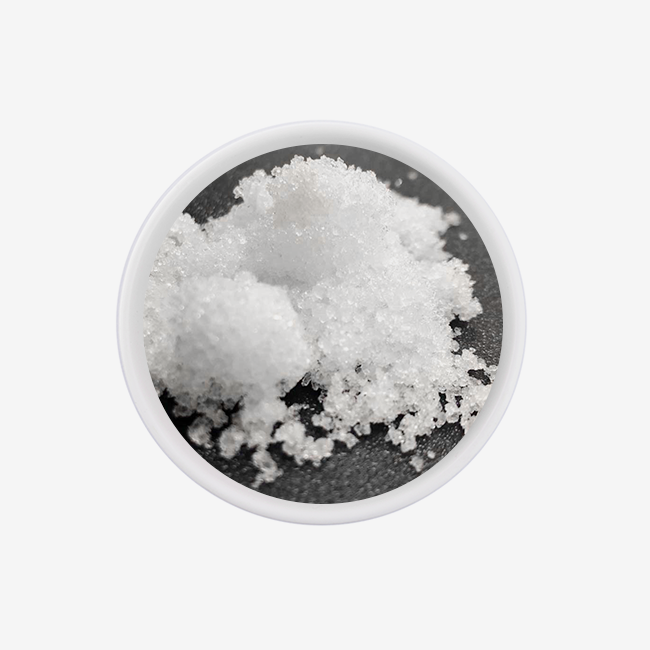 VIEW MOREFood-Grade Sodium Acetate Trihydrate
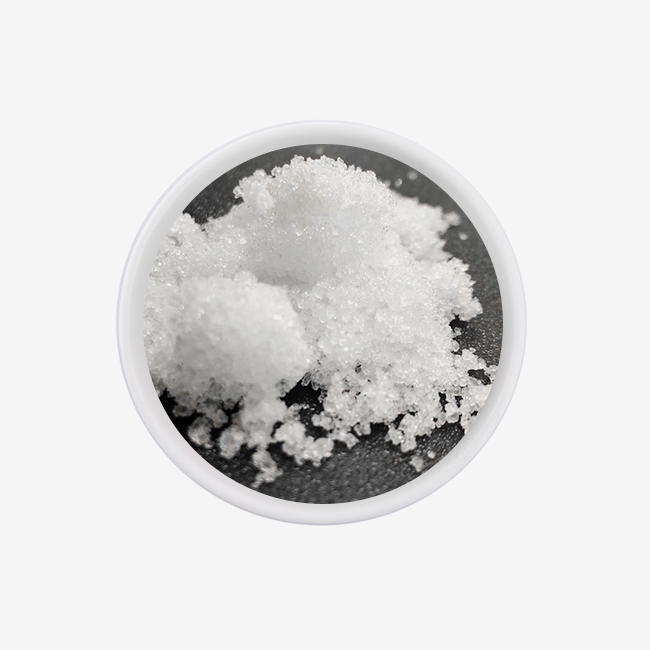 VIEW MOREFresh-Keeping Sodium Acetate Trihydrate
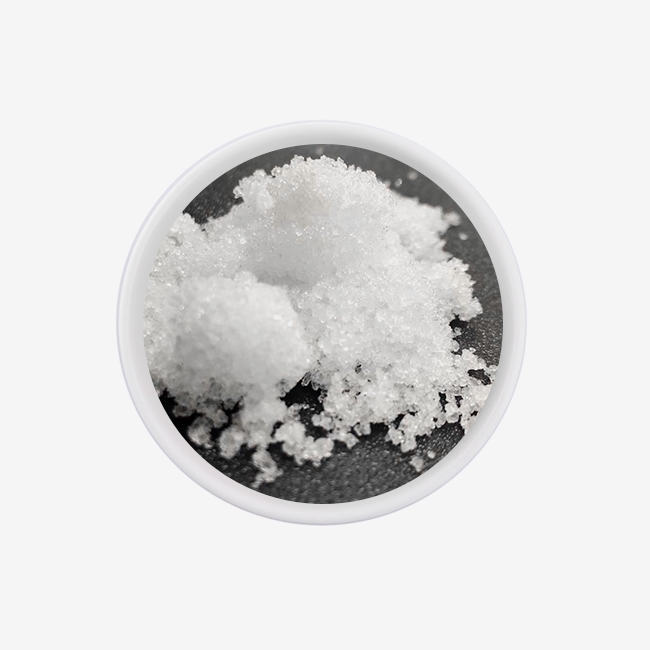 VIEW MOREMeat Sodium Acetate Trihydrate
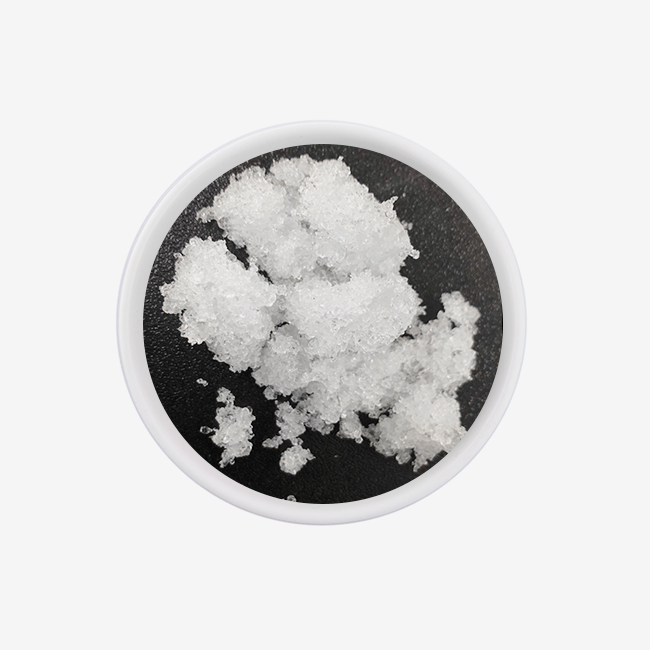 VIEW MOREChemical Fiber Sodium Acetate Trihydrate