



Snow Melting Liquid Potassium Acetate for Parking Lots and Commercial Roadways
Snow melting liquid potassium acetate(CAS NO.: 127-08-2) is a non-chloride liquid deicer. Parking lot owners and commercial road maintenance teams can spray it before a snow/ice event to limit ice bonding, or after plowing to treat remaining ice. Its active ingredient is Potassium Acetate (CH₃COOK, CAS 127-08-2), a carboxylate salt that lowers the freezing point of water. Because the product is a ready-to-use liquid, crews can apply it with calibrated spray equipment across large or irregular surfaces. Results still depend on concentration, pavement temperature, precipitation type, traffic, and application rate, so buyers should confirm specifications before purchase.
Why Parking Lots and Commercial Roadways Need a Purpose-Built Liquid Deicer
Winter Risks on Commercial Pavement
Parking lots, loading zones, ramps, bridges, and access roads are subject to snow, black ice, refreezing, and compacted ice. These conditions lead to vehicle skidding, pedestrian slips, delivery delays, and temporary site closures. Ramps and shaded pavement are the first to freeze and the longest to thaw. Manually spread solids can be uneven in coverage and need moisture to start work. A liquid deicer can be applied uniformly as a pretreatment and may help reduce ice bonding before precipitation. It’s not a plow replacement, but it does help make mechanical removal easier by loosening the grip of ice on pavement. “Pavement temperature, traffic volume, and precipitation type all still influence the amount of product each surface needs.
What Is Potassium Acetate Snow Melting Liquid?
Snow melting liquid potassium acetate is an aqueous solution of Potassium Acetate (molecular formula CH₃COOK / C₂H₃KO₂, molecular weight 98.14 g/mol). It is a colorless, transparent liquid. Potassium acetate dissolves in water and lowers the freezing point through freezing point depression, which helps weaken the bond between ice and pavement. Water carries the active ingredient, so the solution can be pumped and sprayed. GB/T 23851-2017 uses the term non-chloride organic snow-melting agent for this product type. Formulations differ in concentration and additives, so buyers should review the technical data sheet (TDS), safety data sheet (SDS), concentration, and freezing-point curve before application.
Verified Product Specifications
Table 1 lists the specification values in the company's product data. Concentration, density, and pH vary by formulation and by whether the solution is neat or diluted. Confirm them on the TDS and the certificate of analysis (COA) for each order.
ParameterSpecificationChemical namePotassium AcetateCAS Number127-08-2Molecular formula / weightCH₃COOK / C₂H₃KO₂; 98.14 g/molAppearanceColorless transparent liquidFerrum (Fe)≤0.002%Arsenic (As)≤0.0004%Sulfate≤0.05%Heavy Metal (Pb)≤0.01%Chloride≤0.01%Freezing point≤-35°CSnow melting rate≥85% within 1 hour at -25°CCarbon steel corrosion rate≤0.03 g/m²·hBiodegradability≥95%Packaging1,000 L IBC tank or flexitank
Ask the supplier for the test methods behind the performance and corrosion values.
How to Apply Potassium Acetate Liquid Deicer to Parking Lots and Roadways
Pre-Treatment and Post-Treatment Timing
Pre-treatment, also called anti-icing treatment, is applied before a snow or ice event so the liquid is already on the pavement when precipitation starts. Snow melting liquid potassium acetate is commonly used for this purpose because it helps prevent ice from bonding to the pavement. Post-treatment, or de-icing treatment, follows plowing or light accumulation to treat any remaining ice. Company application guidance recommends 25–50 g/m² for anti-icing treatment and 50–150 g/m² for de-icing treatment. Liquid left on the surface can provide a residual effect that delays refreezing, although its duration depends on traffic, precipitation, and temperature. The liquid can also be used to pre-wet solid deicers to improve their performance. Any blending with other deicers should first be confirmed with the supplier's technical team.
Equipment and Application Rates
Equipment should include calibrated truck-mounted sprayers, trailer tanks and hand-held units. Ensure pumps, hoses, seals, and nozzles are compatible with the product as per SDS and supplier technical guidance. Calibrate output so that the volume applied equals the target rate in g/m2. The product is supplied ready to use, so do not dilute unless authorized. Modify rates for pavement temperature, precipitation intensity, traffic, surface type, and risk of refreezing. Base decisions on pavement temperature, not air temperature, because asphalt and concrete surfaces can read several degrees different than the air.
Mechanical Removal and Small-Area Trials
Liquid deicer works alongside plowing, not in place of it. Plow slush and compacted snow first, then treat the thin layer that remains. This keeps product use and runoff lower. Before full-site deployment, run a small-area trial on the actual surface, whether asphalt or concrete. Record coverage, melting time, residue, and any visible effect on pavement markings or sealants. Inspect the treated area after the event and again after refreezing periods. Written results let the team adjust rates for the next storm.
Potassium Acetate Deicer Advantages for Commercial Use
Corrosion and Material Compatibility Data
Parking structures and ramps expose rebar, steel, drainage hardware, and vehicles to deicer residue. Chloride-based deicers cause severe corrosion to concrete and steel reinforcement. Company data states that potassium acetate deicers show over 90% lower corrosion than chloride-based deicers, and this product lists chloride at ≤0.01%. GB/T 23851-2017 sets limits of ≤0.18 mm/a for carbon steel corrosion and ≤0.30 kg/m² for concrete deterioration. These are standard limits, not a guarantee for every batch. Request the corrosion test report, including method and date, for the exact product you plan to buy.
Environmental Considerations and Runoff
Runoff from commercial pavement treated with snow melting liquid potassium acetate can reach storm drains, soil, and nearby plantings. Company data lists biodegradability of ≥95% for this product, with BOD₅ below 0.25 kg O₂/kg and COD below 0.36 kg O₂/kg. Biodegradation consumes dissolved oxygen, so oxygen demand matters where runoff drains to small streams or retention ponds. Acceptance depends on local rules, so review discharge permits and stormwater requirements with your environmental team. Applying the product at the calibrated rate instead of over-applying lowers both cost and runoff load. Request the SDS and supporting biodegradability data before approval.
Potassium Acetate vs. Other Snow and Ice Melting Solutions
No single deicer fits every site. Sodium chloride is widely available and economical for general road use. Calcium chloride and magnesium chloride are other chloride products, and all three add chloride to runoff and pavement. Company data compares a sodium chloride freezing point of -10°C with potassium acetate solutions that reach a eutectic temperature near -60°C. Urea has ammonia and oxygen-demand concerns and is mainly an airport consideration. Potassium acetate suits sites that prioritize liquid application and corrosion control. Its unit cost is higher than chloride products, so compare delivered cost across the life of the pavement and equipment.
How to Choose a Potassium Acetate Liquid Deicer Supplier and Buy in Bulk
Supplier Evaluation Criteria
Please tell us the application area, pavement temperature, annual volume, type of equipment, packaging preference, delivery area, and timeline for purchase before you ask for quotes. Then compare suppliers on concentration, freezing-point data, recommended application rates, corrosion test reports, material compatibility, shelf life, and batch traceability. Quality should also take in quality control procedures, export experience, documentation, integrity of packaging, and delivery performance. Distributors and private-label buyers need to get in writing the minimum order quantities, the lead times, the mixed shipments, and the custom labeling. When you shop for bargains, you may end up with uneven quality, missing paperwork, or late arrivals during peak winter demand.
Packaging, Shipping, and Documentation
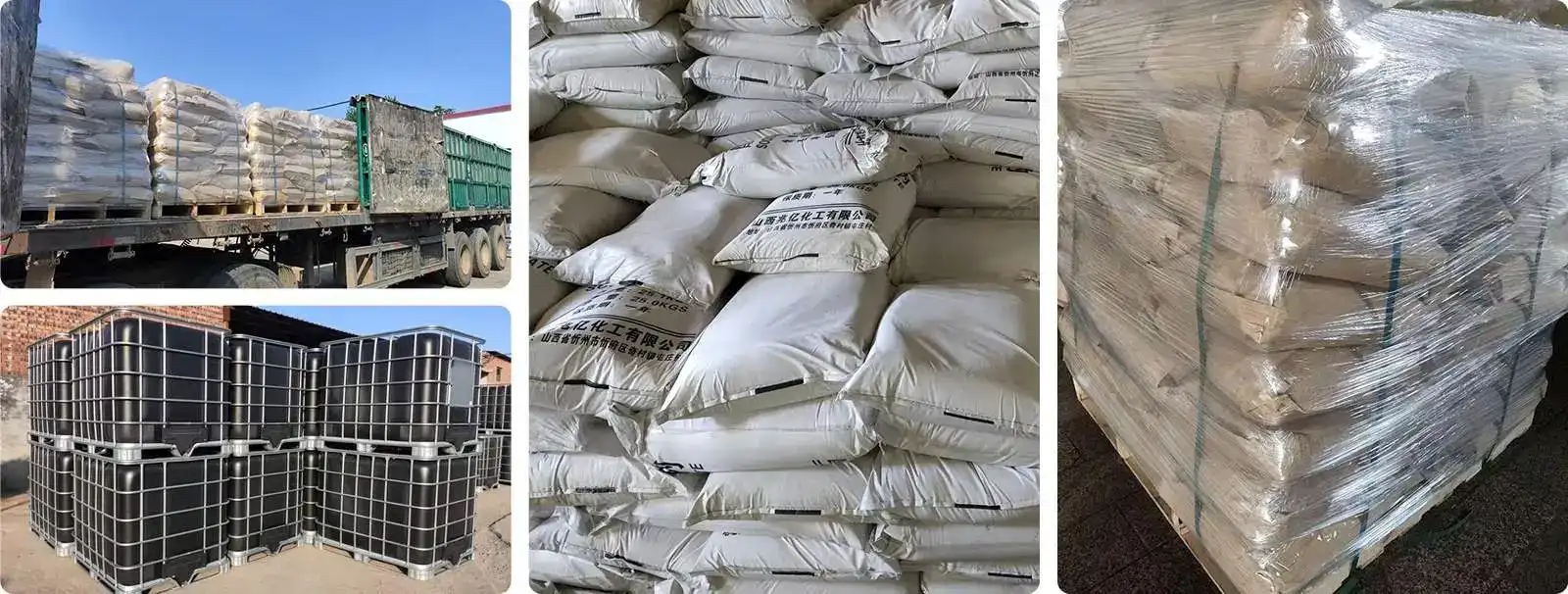
The product is delivered in 1000 L IBC tanks or flexitanks. Company packaging options also include 200 L plastic drums, as well as bulk tankers. For customers sourcing snow melting liquid potassium acetate(CAS NO.: 127-08-2), SHANXI ZHAOYI CHEMICAL can provide suitable packaging and transportation solutions based on order requirements. Store in a cool, dry, and well-ventilated place away from heat, moisture, and direct sunlight. Store away from toxic materials and ensure containers are protected from damage. SHANXI ZHAOYI CHEMICAL can work with FOB or CIF terms and loads from Lianyungang, Qingdao, and Shanghai. The company provides COA, SDS, and TDS documents. Check density, net weight, pallet configuration, and container compatibility. Check with your customs broker for the correct code: company records show HS 2915299090 for potassium acetate and 3820.00 for prepared de-icing fluids.
Total Cost and Pilot Testing
Compare delivered cost, not only unit price. Concentration, order volume, packaging, freight, destination, seasonality, and storage all affect it. Potassium acetate costs more per unit than chloride products. Weigh that against reduced corrosion exposure, which depends on the site and should be modeled with your own repair records. A representative sample or controlled pilot test can verify melting performance, coverage, residue, and equipment compatibility before a long-term supply agreement. Company product information lists safety stock and 5–7 working-day production lead times. Check both against your seasonal schedule.
Implementation Plan for Commercial Winter Maintenance Teams
Documented Site Procedures
Build the program on written procedures, not on ad hoc spraying. Identify high-risk areas such as ramps, entrances, shaded pavements, pedestrian crossings, and loading bays. Define weather watch, time of pretreatment, rates of application, order of plowing, and inspection duties. Train operators on PPE, storage, sprayer calibration, spill response, and equipment cleaning. Record the area treated, product used, pavement temperature, weather, frequency of reapplication, and the results. Environmental and safety teams need to put controls on runoff and ensure local regulations and company policies are met.
Common Mistakes When Using Potassium Acetate Liquid Deicer
Usually, the chemistry does not come into play, but the operating practices. Common mistakes include using air temperature instead of pavement temperature, over-application, unauthorized dilution, not considering mechanical removal, and comparing products by name rather than specifications. Potassium acetate products vary in concentration, additives, purity, and performance, so compare TDS data directly. Depending on price alone can also result in inconsistent quality or delayed delivery. These are reduced by written procedures, calibrated equipment, field testing, and performance records.
Why Partner with a Qualified Potassium Acetate Deicer Manufacturer?
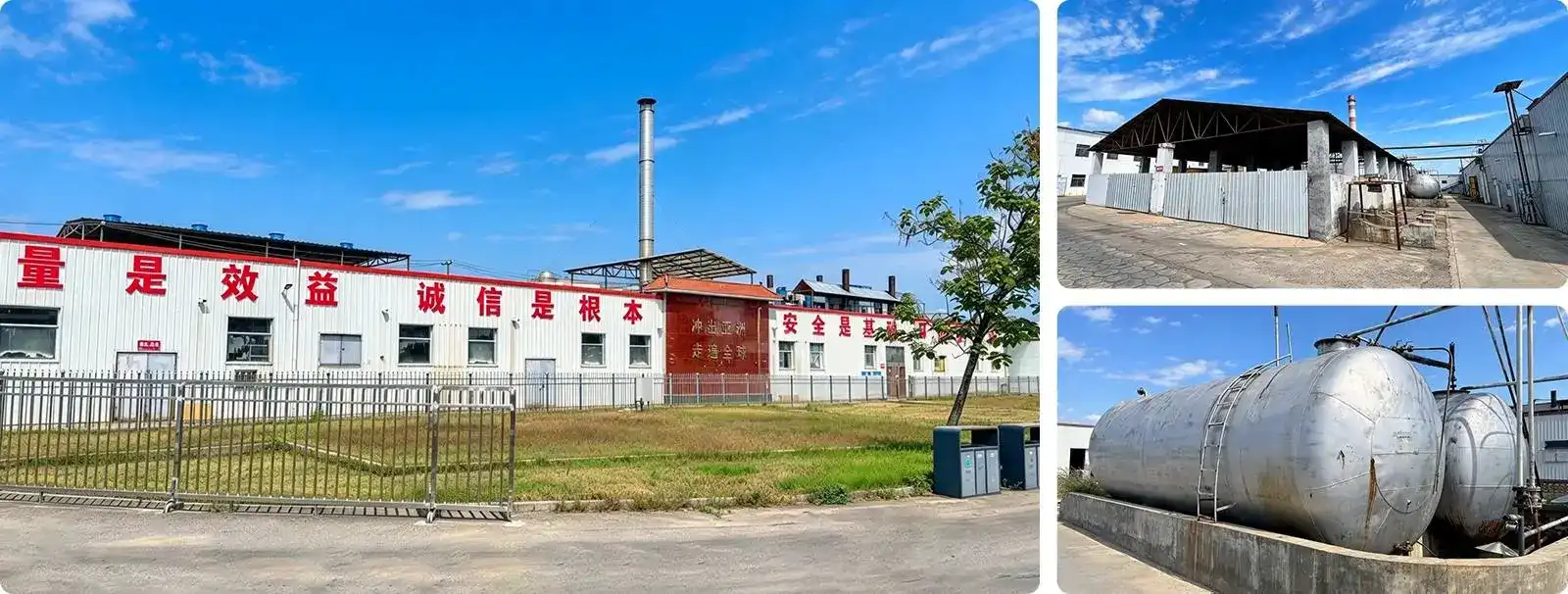
SHANXI ZHAOYI CHEMICAL has been making acetate professionally since 1988. It has a 27,000 m² site and 60 employees. It can make 150,000 tons of the whole acetate series every year, not just one product. The building is certified by ISO 9001 and ISO 14001, and each shipment can have a COA, SDS, and TDS. The company's product information also includes the ability to track batches, a technical support team, changes to the formula for different climates, and the ability to make custom packaging. Industrial buyers and distributors can talk about bulk supplies and orders that come in at the same time every season.
Conclusion
Snow melting liquid potassium acetate(CAS NO.: 127-08-2) gives parking lots and commercial roadways even liquid coverage, pre-treatment before a snow/ice event, and a non-chloride option where corrosion matters. Potassium Acetate (CH₃COOK) lowers the freezing point of water, but results depend on concentration, pavement temperature, traffic, and application rate. The 25–50 g/m² and 50–150 g/m² ranges should be confirmed in small-area trials. Corrosion and environmental claims are only as strong as the test reports and SDS behind them. Chloride products, urea, and potassium acetate each fit different conditions. Delivered cost, documentation, packaging, and batch consistency should guide supplier selection, supported by written site procedures and performance records.
FAQ
What temperature range does the product cover?
Potassium acetate solutions reach a eutectic temperature near -60°C. This product's data lists a freezing point of ≤-35°C. Request the freezing-point curve and test report.
Can it be used on asphalt and concrete parking surfaces?
It is intended for pavement such as parking lots, ramps, and roadways. Run a small-area trial and review the corrosion and concrete deterioration test data.
Which packaging options are available?
The product ships in 1,000 L IBC tanks or flexitanks. Confirm net weight and pallet configuration when ordering.
Which documents come with an order?
SHANXI ZHAOYI CHEMICAL provides a COA, SDS, and TDS. Ask for the de-icing performance test report if your specification requires it.
Which trade terms and ports are available?
FOB and CIF terms are supported, with loading at Lianyungang, Qingdao, or Shanghai.
Can the formulation or packaging be customized?
Company information lists formulation adjustments for specific climate conditions and custom packaging. Share your temperature range and volume.
Request a Quote for Snow Melting Liquid Potassium Acetate for Parking Lots and Commercial Roadways
Contact SHANXI ZHAOYI CHEMICAL at sxzy@sxzhaoyi.com to request a quotation from a snow melting liquid potassium acetate supplier with documented specifications. Include your surface type, expected pavement temperatures, seasonal volume, packaging preference, delivery destination, and documentation needs. The technical team can then recommend a concentration and shipment format, and arrange samples or a pilot test.
References
1. Standardization Administration of China, GB/T 23851-2017, Snow-melting Agent, 2017.
2. Transportation Research Board, NCHRP Report 526: Snow and Ice Control: Guidelines for Materials and Methods, 2004.
3. Transportation Research Board, NCHRP Report 577: Guidelines for the Selection of Snow and Ice Control Materials to Mitigate Environmental Impacts, 2007.
4. Federal Highway Administration, Manual of Practice for an Effective Anti-icing Program: A Guide for Highway Winter Maintenance Personnel, 1996.
5. Colorado Department of Transportation, Evaluation of Selected Deicers Based on a Review of the Literature (CDOT-DTD-R-2001-15), 2001.
6. Occupational Safety and Health Administration, Hazard Communication Standard, 29 CFR 1910.1200, 2012.

USER EVALUATE
Here is the customer's evaluation of us