



Airport Runway Solid Potassium Acetate for Targeted Ice Removal and Winter Runway Maintenance
Airport Runway Solid Potassium Acetate(CAS NO.: 127-08-2) is a granular deicer used for targeted ice removal on frost, snow, and bonded ice on runways, taxiways, and aprons. Solid potassium acetate (CH₃COOK, CAS 127-08-2) dissolves in surface moisture and forms a concentrated acetate brine. The brine lowers the freezing point of water and weakens the bond between ice and pavement. SHANXI ZHAOYI CHEMICAL lists a grade with CH₃COOK content of at least 99.0%. This guide covers how the product works, how to apply it, how it compares with other deicers, and which documents and trials airport buyers should require before approval.
How Airport Runway Solid Potassium Acetate Works on Paved Airside Surfaces
Freezing Point Depression and Brine Formation
Solid potassium acetate does not melt ice on its own. The granules dissolve in the thin film of water on the ice surface and, according to product literature, release heat upon dissolution. The resulting acetate brine freezes at a lower temperature than water, so ice in contact with it melts. As the brine spreads, it undermines the bond between ice and pavement. Results depend on brine concentration, pavement and air temperature, ice thickness, moisture availability, distribution, and contact time. Thin dry frost and thick compacted ice respond differently, so operators should base treatment on the actual surface condition. Each variable should be recorded during trials.
Preventive Anti-Icing Versus Corrective De-Icing
Anti-icing treatment is applied before a snow/ice event to stop ice from bonding to the pavement. De-icing treatment is applied after snow or ice has formed and aims to break the bond so contamination can be removed. Product literature describes two main uses for the solid grade: corrective treatment of thick ice, where granules reach ice layers up to 6 mm and create brine pockets, and pre-wet anti-icing, where granules are wetted with liquid to reduce bounce and scatter in high wind. Compacted or bonded ice often still needs mechanical removal after the chemical has loosened it. Airport procedures and aviation-authority rules decide which treatment is permitted on each surface.
Temperature Data: Solid Product Versus Working Solution
Temperature claims need careful reading. The freezing point of a 50% potassium acetate solution is -59.4°C (-75°F), and the eutectic temperature of potassium acetate in water is about -60°C. Those values describe the solution, not the dry granules. The product sheet for this solid grade lists an effective temperature range down to -60°C, but field results at very low temperatures depend on moisture, contact time, and ice thickness. The practical limit commonly cited for sodium chloride is about -10°C. Buyers should ask for a de-icing performance test report that states the test temperature, concentration, and method before relying on any low-temperature figure.
Product Specifications and Performance Benefits
Verified Technical Specifications
The table lists the specifications published for Airport Runway Solid Potassium Acetate. Ask for a batch Certificate of Analysis to confirm them for each shipment.
| Parameter | Specification |
|---|---|
| CH₃COOK content | ≥99.0% |
| Water insoluble | ≤0.05% |
| Chloride (Cl) | ≤0.2% |
| Ferrum (Fe) | ≤0.05% |
| Appearance | White crystalline granules |
| pH (15% solution) | 9.0–10.5 |
| Bulk density | 0.8–0.9 g/cm³ |
| CAS number | 127-08-2 |
| Molecular weight | 98.14 g/mol |
Chloride is limited to 0.2%, so this grade is low in chloride rather than chloride-free. Bulk density and granule size affect spreader flow and how well material stays in place during wind. The 15% solution pH range applies to the dissolved product, not the dry granules.
Targeted Treatment of High-Risk Airside Areas
Granular material lets crews place deicer where ice risk is highest, such as runway thresholds, taxiway intersections, centerline areas, and aircraft stands. Product literature describes use on runways, taxiways, and aprons and states that the grade is meant to leave a high-friction surface after treatment. Friction must still be confirmed on site, because over-application can leave a slick film. The granular form suits storage in 25 kg bags or 1,000 kg ton bags and loading into calibrated spreaders. In high-traffic operational areas, where ground-support equipment and personnel work around aircraft, treat only the zones that the winter operations plan identifies.
Corrosion, Compatibility, and Environmental Considerations
Chloride-based deicers raise corrosion concerns for aircraft alloys, lighting systems, and joints, which is why acetate chemistry attracts airfield buyers. Product literature states that this grade is designed to protect aluminum, magnesium, and cadmium components. Verify that claim with sandwich corrosion and material compatibility reports for the exact grade, and do not treat any acetate as completely non-corrosive. Environmentally, acetate biodegrades, and biodegradation consumes dissolved oxygen in receiving water. Request BOD and COD data for the solid grade, monitor runoff, protect drainage, and follow discharge permits. Corrosion and oxygen demand data for the liquid grade should not be applied to the solid. The manufacturer also monitors heavy metal content, according to product literature.
Comparing Solid Potassium Acetate With Other Runway Deicers
Potassium Formate and Sodium Acetate
These products are different chemicals and should not share specifications. Potassium acetate is CH₃COOK (CAS 127-08-2, 98.14 g/mol). Potassium formate is HCOOK (CAS 590-29-4, 84.12 g/mol). Sodium acetate is CH₃COONa (CAS 127-09-3), and its anhydrous form has a molecular weight of 82.03 g/mol. Each has its own freezing-point curve, solubility, residue behavior, and discharge profile. For airport deicing applications, Airport Runway Solid Potassium Acetate should be evaluated according to its specific chemical properties and applicable runway requirements. Potassium and sodium acetate may leave different residues and raise different discharge questions. Compare them using supplier data for each grade, and let the airport specification decide which is eligible. SHANXI ZHAOYI CHEMICAL manufactures all three product families, so a buyer can compare grades from one source.
Urea and Chloride-Based Products
Product literature cites about -7°C as the practical low-temperature limit of urea, and urea adds nitrogen that can contribute to ammonia and nutrient loading in runoff. Chloride-based products such as sodium chloride are generally restricted on airfield pavements because of corrosion concerns for aircraft alloys, and chlorides can accumulate in soil and water. These are general industry points, so confirm local airport rules. Acetate and formate deicers contain little or no chloride and no nitrogen loading, but they carry a higher unit cost and an oxygen-demand consideration. No single product wins on every criterion, which is why a structured comparison matters.
Building a Decision Matrix for Total Cost
A decision matrix keeps the evaluation consistent. Score each candidate on effective temperature range, ice-melting performance, aircraft and pavement compatibility, environmental obligations, application rate, supply continuity, and lead time. Weight the criteria according to the airport's own priorities, such as aircraft metal protection or discharge limits. Then calculate delivered cost per treated square meter instead of comparing price per tonne. Acetate deicers cost more per unit than chloride products, so lifecycle cost matters: freight, storage, handling, spreader adjustments, runoff management, and any corrosion-related repair or maintenance. Savings claims should rest on the buyer's own trial records, not general estimates.
Application, Equipment, and Handling Requirements
Inspection and Treatment Planning
Treatment starts with inspection. Crews should record air and pavement temperature, precipitation, and whether the surface carries frost, snow, freezing rain, thin ice, compacted snow, or bonded ice. The choice between anti-icing before a snow/ice event and de-icing afterward follows airport procedures and aviation-authority requirements; US operators commonly work from FAA winter operations guidance. Application rate depends on the formulation, temperature, and contamination thickness, so no universal dosage applies. Use the rate in the supplier's technical data sheet and confirm it in a trial. After sufficient contact time, remove loosened contamination mechanically and verify braking action and runway condition under the airport's own reporting procedure.
Spreader Calibration and Pre-Wetting
Calibrated spreaders should deliver even coverage without untreated strips or heavy accumulation. Check hoppers, conveyors, and spinners against the granule size, moisture content, bulk density, and flowability stated on the certificate. Product literature lists a bulk density of 0.8–0.9 g/cm³ and describes the granule size distribution as designed to limit wind scatter. Pre-wetting with liquid can help granules stay on the pavement in high wind. For pre-wet operations, SHANXI ZHAOYI CHEMICAL also supplies 50% liquid potassium acetate, which has a freezing point of -59.4°C at that concentration. Consult the supplier's technical team before combining it, or any other deicer, with the solid product. Keep calibration records and preventive maintenance in the winter operations plan.
Storage and Handling of a Hygroscopic Deicer
Solid potassium acetate absorbs moisture from the air, making caking the main storage risk for Airport Runway Solid Potassium Acetate(CAS NO.: 127-08-2). Store the product in a cool, dry, and well-ventilated area, protected from rain, condensation, heat, and direct sunlight, and keep it separate from toxic substances. Keep bags sealed until use, stack them on pallets, and inspect packaging regularly for tears or damage. Product literature indicates a shelf life of up to two years in sealed containers under proper storage conditions; however, always verify this with the supplier's documentation. Handle unloading carefully to prevent bag damage. Train crews using the current Safety Data Sheet (SDS), covering personal protection, spill response, first aid, transportation, and disposal. Always rely on the SDS rather than assumptions when assessing product hazards.
Procurement, Quality Documentation, and Supplier Evaluation
Documentation for Airport Approval
Airport engineering, maintenance, safety, and environmental teams usually review a document package before approving a pavement chemical. Request the Safety Data Sheet, Technical Data Sheet, and batch Certificate of Analysis, plus corrosion and performance test reports, packaging details, transport documents, and storage guidance. SHANXI ZHAOYI CHEMICAL provides COA, SDS (MSDS), TDS, and Certificate of Origin, and supports third-party inspection by SGS or BV. Product literature says the grade meets SAE AMS 1431 guidelines. Because AMS revisions differ, ask for test results against the revision your airport specifies, and confirm any FAA or airport-specific approval status separately, since none is claimed here.
What to Check in a Solid Potassium Acetate Manufacturer
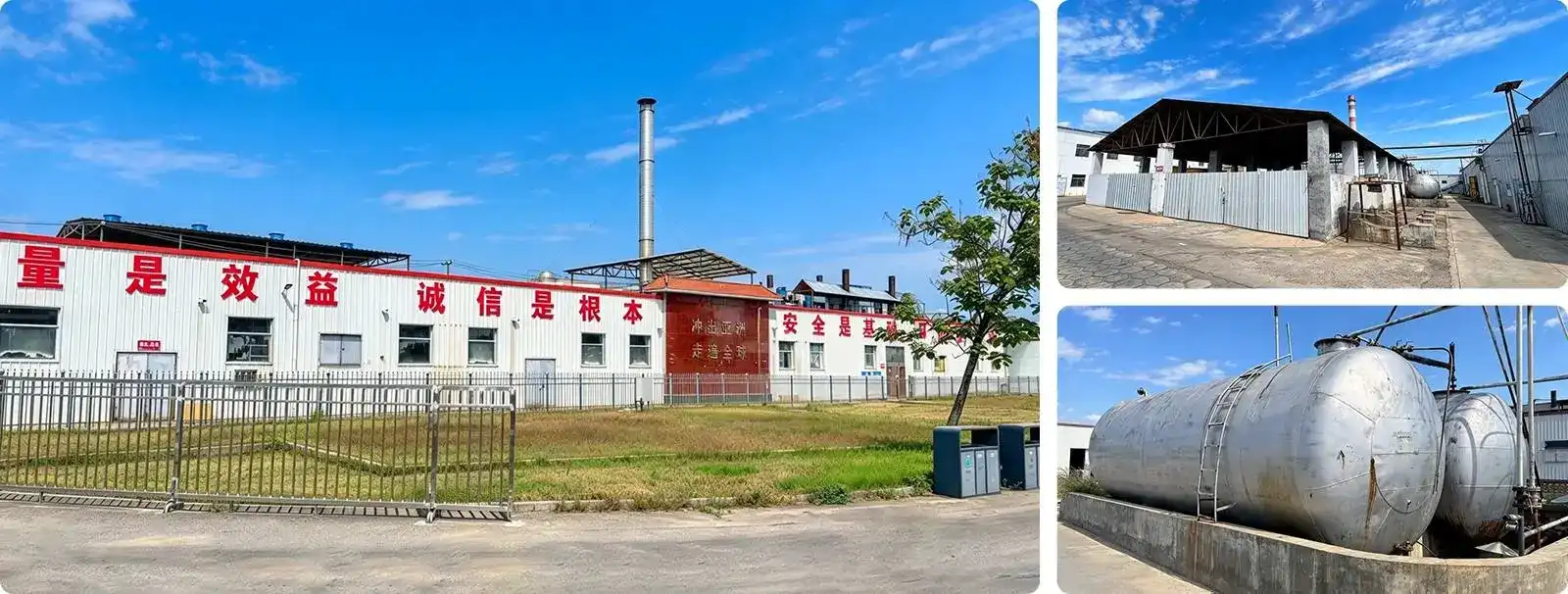
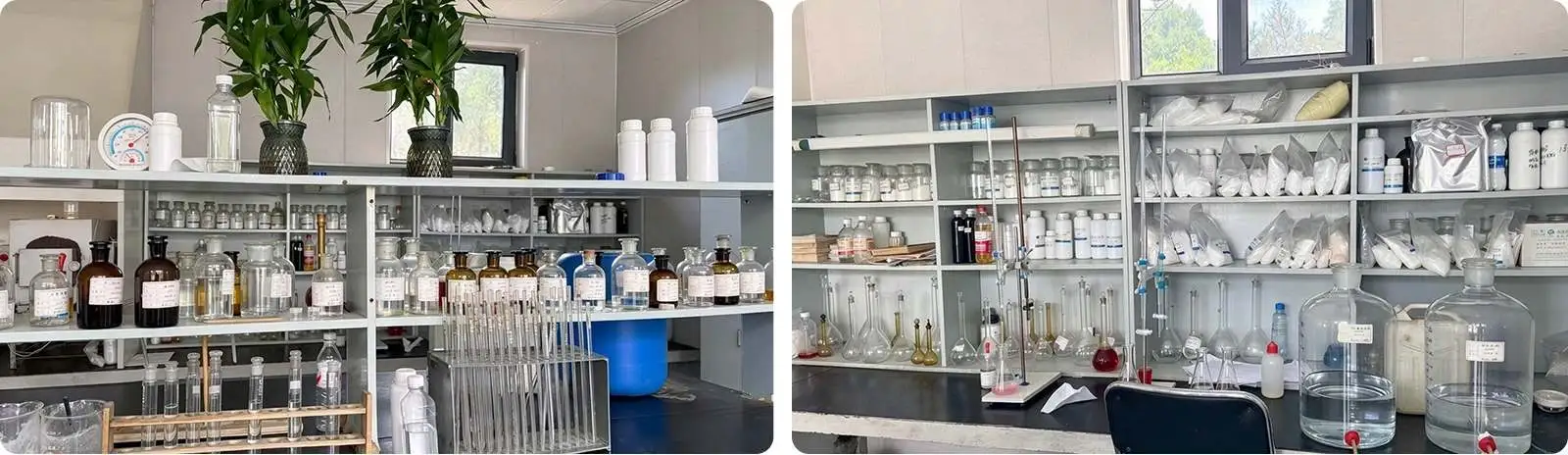
Manufacturing controls shape spreadability, dissolution, and batch consistency. SHANXI ZHAOYI CHEMICAL was founded in 1988, covers 27,000 m², employs 60 people, and has an annual acetate production capacity of 150,000 tons across its acetate product line rather than for a single product. The company holds ISO 9001 and ISO 14001 management system certifications. Product literature states that batches are tested for particle size distribution, sandwich corrosion, and pH. Buyers should still review audit results, testing capability, and sample certificates. Packaging is 25 kg PP woven bags with PE inner liners or 1,000 kg ton bags, offered on FOB and CIF terms from Lianyungang, Qingdao, or Shanghai. Product literature cites 5–7 working days of production lead time for standard orders.
Field Trial and Full-Season Review
A controlled implementation lowers risk. In phase one, confirm design temperatures, contamination types, regulatory needs, and approvals. During a field trial on a defined runway section, taxiway, or apron, record application rate, pavement temperature, weather, contact time, ice removal, braking performance, residue, corrosion observations, and re-treatment frequency. Next, validate spreader calibration, operator training, and emergency procedures. After the season, review treated area, material use, downtime, cost, runoff, and infrastructure condition. When requesting a quotation, state annual volume, delivery country, packaging, treated areas, target temperature range, and whether the material is for airport use, distribution, or OEM supply. MOQ and lead time are confirmed per order.
Conclusion
Airport Runway Solid Potassium Acetate(CAS NO.: 127-08-2) suits targeted ice removal on paved airside surfaces because it dissolves into an acetate brine that lowers the freezing point and loosens the bond between ice and pavement. Low-temperature figures such as -59.4°C belong to a 50% solution, so buyers should verify performance for the solid grade with test reports. Compared with urea- and chloride-based products, acetate chemistry reduces chloride and nitrogen concerns but adds oxygen demand and a higher unit cost, which makes a decision matrix and a lifecycle cost view necessary. Spreader calibration, dry storage, and site-specific application rates determine field results. A complete document package, a verified supplier, and a controlled trial give airport teams the evidence needed for approval.
FAQ
What Is Airport Runway Solid Potassium Acetate Used For?
It treats frost, snow, and ice on runways, taxiways, and aprons. The granules dissolve into an acetate brine that lowers the freezing point and loosens ice from pavement.
How Low a Temperature Can It Handle?
A 50% potassium acetate solution freezes at -59.4°C, and the product sheet lists a range down to -60°C. Field results depend on conditions, so request a de-icing performance test report.
Which Documents Come With an Order?
SHANXI ZHAOYI CHEMICAL provides COA, SDS (MSDS), TDS, and Certificate of Origin, and supports SGS or BV inspection.
What Packaging Options Are Available?
Options include 25 kg PP woven bags with PE inner liners and 1,000 kg bags. Palletized and OEM packaging can be discussed.
Can the Product Be Customized?
Product literature mentions formulation adjustments for specific weather conditions and OEM packaging. Send your temperature range and equipment details for technical review.
How Are MOQ, Samples, and Lead Time Handled?
MOQ and delivery time are confirmed per order. Product literature cites 5–7 working days for standard production. Samples or a field trial can precede bulk orders.
Request an Airport Runway Solid Potassium Acetate Quotation
Send your annual volume, packaging format, target temperature range, and documentation needs to SHANXI ZHAOYI CHEMICAL at sxzy@sxzhaoyi.com. As an Airport Runway Solid Potassium Acetate supplier, the company can provide the SDS, TDS, and COA for review and discuss samples or a controlled field trial before bulk orders. Technical staff will respond with specifications, MOQ, and lead time.
References
1. Federal Aviation Administration, Advisory Circular 150/5200-30D: Airport Field Condition Assessments and Winter Operations Safety, 2014.
2. Transportation Research Board, NCHRP Report 577: Guidelines for the Selection of Snow and Ice Control Materials to Mitigate Environmental Impacts, 2007.
3. Airport Cooperative Research Program, ACRP Report 14: Deicing Planning Guidelines and Practices for Stormwater Management Systems, 2009.
4. US Environmental Protection Agency, Effluent Limitations Guidelines and New Source Performance Standards for the Airport Deicing Category (40 CFR Part 449), 2012.
5. Fay, L. and Shi, X., Environmental Impacts of Chemicals for Snow and Ice Control: State of the Knowledge, Water, Air, & Soil Pollution, 2012.
6. Transportation Research Board, Highway Deicing: Comparing Salt and Calcium Magnesium Acetate (Special Report 235), 1991.

USER EVALUATE
Here is the customer's evaluation of us