



How Should Airports Select Airport Runway Solid Potassium Acetate?
Airports should select Airport Runway Solid Potassium Acetate(CAS NO.: 127-08-2) by evaluating four core dimensions: chemical purity (≥99.0% CH₃COOK content), effective temperature range (down to -60°C), compliance with SAE AMS 1431 standards, and supplier reliability. The right de-icing granules must protect aircraft aluminum, magnesium, and cadmium components from corrosion, biodegrade cleanly without ammonia emissions, and maintain consistent ice-melting performance across runways, taxiways, and aprons. Procurement teams should also confirm packaging flexibility, certifications, and bulk supply capacity before committing to a vendor.
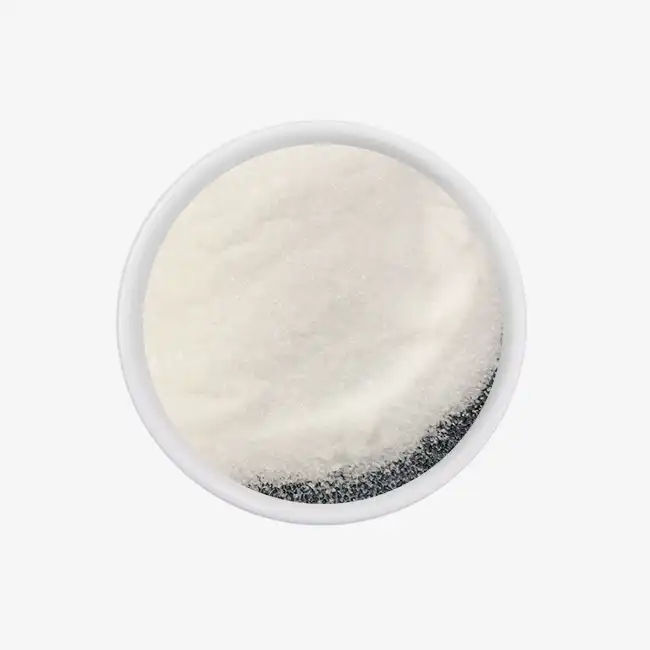
Understanding Solid Potassium Acetate for Airport Runways
What Makes Potassium Acetate Different from Other De-icers?
Different from other de-icers, what makes Airport Runway Solid Potassium Acetate stand out? The solid form of Airport Runway Solid Potassium Acetate is white crystalline grains with the molecular formula CH₃COOK and a molecular weight of 98.14 g/mol. It dissolves easily in water, acid, and alcohol. This organic acetate substance doesn't corrode metal or damage runway lights like chloride-based salts do. It also breaks down naturally. Its exothermic dissolution reaction quickly breaks the bond between the pavement and ice, which generates heat that melts the ice faster. With a bulk density of 0.8 to 0.9 g/cm³ and a pH range of 9.0 to 10.5 in a 15% solution, the granules stay on the surface even when they are hit by a jet blast.
Airport Runway Solid Potassium Acetate is not as harmful to the environment as urea, which was commonly used until regulators found that it was highly harmful to aquatic ecosystems when mixed with ammonia. Because Airport Runway Solid Potassium Acetate has a much lower biochemical oxygen demand (BOD) load and can be discharged near stormwater systems without violating EPA rules, it is the preferred option at airports that have to follow strict environmental rules.
The Science Behind Effective Ice Penetration
When put on an ice-covered runway, the hygroscopic Airport Runway Solid Potassium Acetate crystals quickly soak up any water on the surface and start to form brine pockets. These holes go through layers of ice that are up to 6 mm thick, making it harder for the ice to stick to asphalt or concrete. The runway surface quickly gets slippery again, which is important for figuring out how far an airplane needs to stop. It works well down to -60°C, which is much lower than the -7°C limit of urea and the narrow range of many formate-based alternatives.
Key Criteria for Selecting Solid Potassium Acetate for Airport Use
To choose the best runway de-icing agent for Airport Runway Solid Potassium Acetate, you need to make sure that the product's specs match up with your airport's operating environment, upkeep requirements, and legal responsibilities. Here are the main factors that buying teams should use to choose candidates:
- Purity and impurity control: the product must have at least 99.0% CH₃COOK in it. To protect metal structures, the chloride content shouldn't be more than 0.2%, and the iron content shouldn't be more than 0.05%. To keep residue from building up on runway surfaces, water-insoluble matter must stay at 0.05%.
- SAE AMS 1431 compliance: This standard for the aviation industry controls Airport Runway Solid Potassium Acetate de-icing compounds for runways and aprons. For airfield procurement, vendors who can't show proof that they meet this specification shouldn't be considered.
- Granule size and particle distribution: Particles of the right size are spread out so that they don't get scattered by wind while they're being applied. This allows for fast breakdown and deep entry through ice. As part of reviewing the technical document, ask providers for information on how the particle sizes are spread out.
- Certifications and quality management: ISO 9001, ISO 14001, and ISO 45001 certifications show that a company meets consistent standards for quality manufacturing, environmental management, and worker safety. Getting KOSHER and HALAL certifications shows that you pay attention to global rules and regulations.
All of these factors lower the risk of procurement. If a seller can't give you batch test results that show the dissolution rate, corrosion inhibitor content, and heavy metal screening, you should be wary of them during the vendor approval process.
Purchasing managers should also think about how flexible the packaging is. For efficient bulk handling, airports with high seasonal demand usually need 1000 kg ton-bags. Smaller businesses or pilot projects, on the other hand, can use 25 kg plastic woven bags. Because Airport Runway Solid Potassium Acetate absorbs water, both forms must be made in a way that keeps moisture out.
Application Best Practices for Solid Potassium Acetate on Runways
When and How to Apply Runway De-icing Granules?
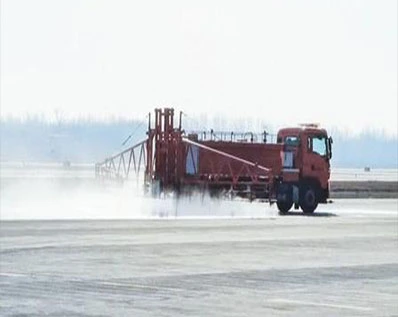
The success of any de-icing job depends on when it is done. Anti-icing, which is pre-treatment before a storm, stops snow from sticking to the pavement, so it needs less chemical than reactive de-icing after the snow has piled up. Using Airport Runway Solid Potassium Acetate granules that have already been wet with a liquid Airport Runway Solid Potassium Acetate solution stops the material from bouncing and scattering in high winds, making sure it sticks to the pavement.
Application rates should be set according to the manufacturer's instructions and adjusted for air temperature and amount of rain. Spreader equipment has to cover the whole width of the track evenly. Not only does too much of it waste, but it can also make the surface slippery for a short time if the flakes break down faster than the brine can spread them out.
Monitoring Performance After Application
When there is a lot of traffic at an airport, the friction coefficient should be measured regularly after that treatment. When used properly, Airport Runway Solid Potassium Acetate dissolves totally into a clear liquid, leaving no residue. This makes it easier to check the surface after a storm. Keeping track of when treatments are given, how much is applied, and the weather creates an operating record that helps improve application methods from season to season.
Comparative Analysis: Selecting the Best Runway De-Icing Solution
| Chemical | Effective Temp. | Corrosive? | Biodegradable? | Aviation Standard |
|---|---|---|---|---|
| Airport Runway Solid Potassium Acetate | As cold as -60°C | No | Yes | SAE AMS 1431 |
| Urea | It got to -7°C | No | Partially (risk of ammonia) | Finished off |
| Sodium Chloride | Down to -9°C | Yes | No | Not Allowed Airside |
| Calcium Chloride | Down to -29°C | Yes | No | Not suggested for airside |
Compounds containing chlorine, such as sodium chloride and calcium chloride, are not allowed on most airfields at all. This is because they harm airplane aluminum alloys, hydraulic systems, and runway concrete over time by flaking off during repeated freeze-thaw cycles. Urea was the first biological option, but current stormwater rules say it's not safe for the environment because it releases ammonia.
Liquid Airport Runway Solid Potassium Acetate (SAE AMS 1435) works well in mild cold, but it may lose its strength too quickly below -20°C when precipitation is happening. Since solid granules stay concentrated longer in very cold temperatures, they are the best choice for use as the main agent at airports in the northern U.S. where temperatures regularly drop below -15°C. The best results are achieved by using both types together, with solid chunks for penetration and liquid for pre-wetting.
Procurement Strategy and Vendor Selection for Solid Potassium Acetate
It takes more than just comparing product specs to make a winter supply chain that you can count on. Airports need vendors who keep safety stock, react quickly to pressing requests, and provide quality documentation that can be checked.
When looking for an Airport Runway Solid Potassium Acetate provider, make sure they can do these things. A company that can make 150,000 tons of goods a year can handle sudden increases in demand during harsh winters without having to delay deliveries. Standard production lead times of 5–7 working days and guaranteed shipping space through established logistics partnerships make the supply chain less vulnerable during times of high demand.
Technical help is important after the product is delivered. Suppliers who answer technical questions 24 hours a day, seven days a week, offer application advice, and offer customization services, like changing the formulation to fit a certain climate or making OEM packaging, add operational value that commodity vendors can't match. When weather situations are worse than expected, emergency supply routines, such as backup systems for raw materials and other logistics plans, keep airport operations safe.
Ask every possible seller to send you a full product dossier, which should include a certificate of analysis (CoA) for each batch, a safety data sheet (SDS), proof that they follow SAE AMS 1431, and references from other aircraft clients who have bought similar products.
Conclusion
Choosing the right de-icing agent for the airport affects the safety of airplanes, the environment, and the long-term health of the infrastructure all at the same time. When you buy Airport Runway Solid Potassium Acetate(CAS No.: 127-08-2) from a certified maker whose formula has been tested and shown to be safe for use in flight, it works reliably at very low temperatures and doesn't harm the environment or break down like chloride alternatives do. If procurement teams put purity, certification compliance, source capacity, and quick expert support at the top of their list of priorities, their winter maintenance programs will be both operationally resilient and cost-effective in the long run.
FAQ
Is solid potassium acetate safe for use near stormwater systems?
Yes. Airport Runway Solid Potassium Acetate is biodegradable and has a low BOD impact compared to chloride salts. Since it doesn't give off ammonia as urea does, it meets most of the EPA's rules for stormwater discharge near airports.
How does the solid form differ from liquid potassium acetate?
The solid form is better at breaking through thick amounts of ice in very cold weather and can be stored for longer without breaking down. On thin layers of ice, liquid forms work more quickly. A lot of airports use both together to get the best results when deicing and anti-icing.
How often should reapplication occur during an active storm?
How often you reapply depends on how much rain is falling and how hot it is. When it snows for a long time, airports usually apply again every 30 to 60 minutes. Instead of just following set plans, keeping an eye on surface friction readings helps you figure out exactly when to reapply the coating.
What is the shelf life of solid potassium acetate?
If you store Airport Runway Solid Potassium Acetate the right way, in sealed, moisture-proof bags in a dry, well-ventilated warehouse away from heat sources, it will last for two years. Hygroscopic clumping happens faster and less effectively when products are stored incorrectly.
Can this product damage runway asphalt or concrete?
No, a product that meets the requirements of SAE AMS 1431 won't damage asphalt, Portland cement concrete, runway lights, or airplane metals that contain aluminum, magnesium, or cadmium.
Partner with SHANXI ZHAOYI CHEMICAL for Certified Runway De-icing Solutions
In 1988, SHANXI ZHAOYI CHEMICAL started making chemicals based on acetate. They can now make up to 150,000 tons of chemicals every year and have ISO 9001, ISO 14001, and ISO 45001 standards. As a reliable Airport Runway Solid Potassium Acetate(CAS NO.: 127-08-2) manufacturer, we offer granules that are in line with SAE AMS 1431 in 25 kg bags and 1000 kg bags, with lead times of 5–7 days. You can get a price or product information right now by emailing sxzy@sxzhaoyi.com or going to zhaoyichemical.com.
References
1. SAE International. SAE AMS 1431E: Compound, De-icing/Anti-icing Runways and Taxiways. SAE International, 2018.
2. Federal Aviation Administration. Airport Winter Safety and Operations: Advisory Circular AC 150/5200-30D. U.S. Department of Transportation, 2016.
3. Transportation Research Board. Selection and Application of De-icing and Anti-icing Materials for Airport Runways. National Academies Press, 2015.
4. Shi, X., Fay, L., & Yang, Z. Impacts of Airfield Pavement Deicers on Aircraft and Airport Infrastructure. Cold Regions Engineering, ASCE, 2010.
5. United States Environmental Protection Agency. Effluent Limitations Guidelines and Standards for the Airport Deicing Category. EPA, 2012.
6. Blackburn, R. R., Bauer, K. M., Amsler, D. E., Boselly, S. E., & McElroy, A. D. Snow and Ice Control: Guidelines for Materials and Methods. NCHRP Report 526, Transportation Research Board, 2004.

USER EVALUATE
Here is the customer's evaluation of us
YOU MAY LIKE
 VIEW MOREAirport Runway Liquid Potassium Formate
 VIEW MOREDairy Product Sodium Acetate Trihydrate
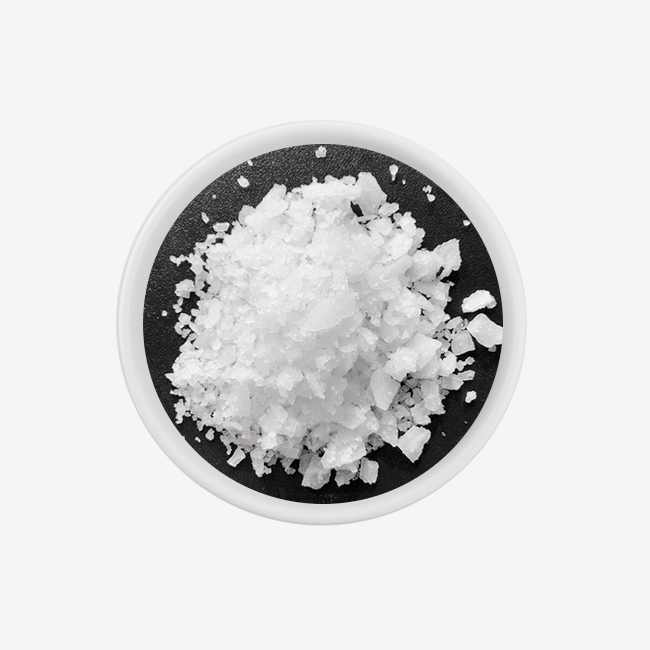 VIEW MOREFertilizer Solid Potassium Formate
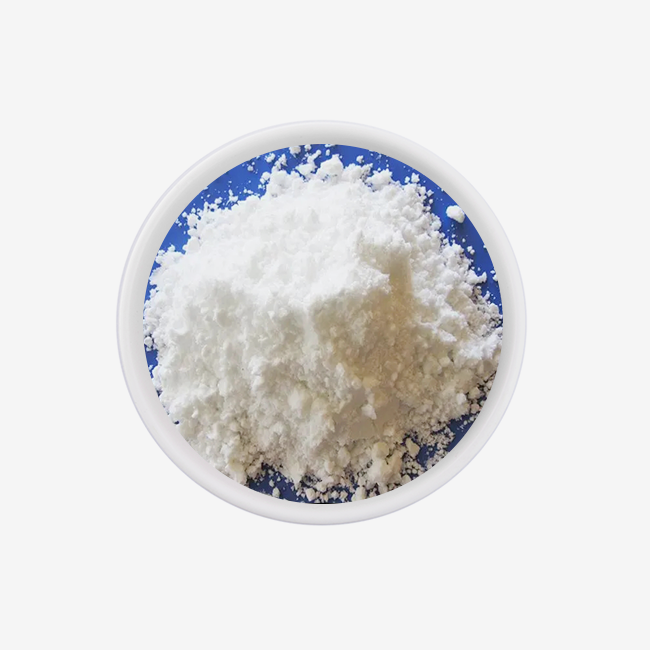 VIEW MOREDeicing Solid Sodium Formate
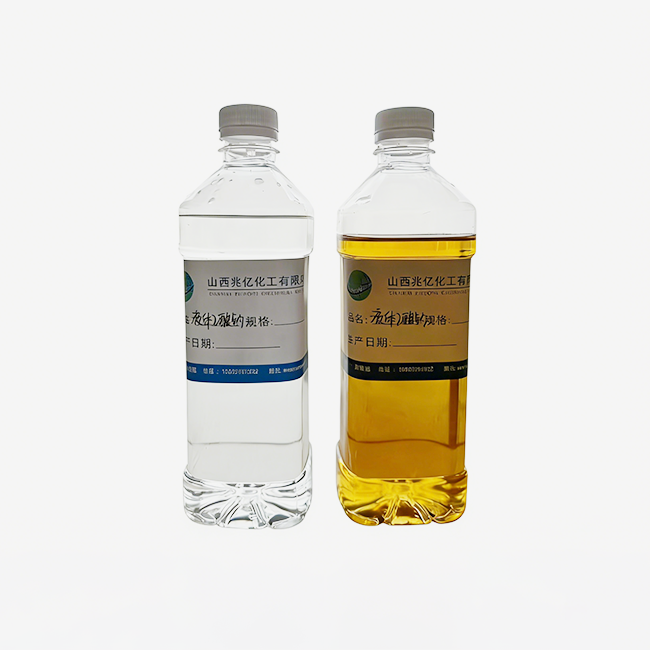 VIEW MORE20% Liquid Sodium Acetate
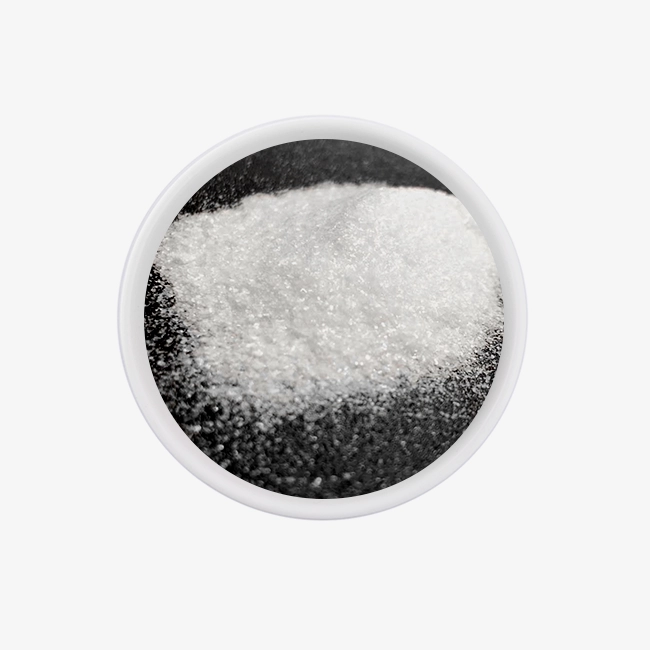 VIEW MOREAntibiotic Sodium Acetate Anhydrous
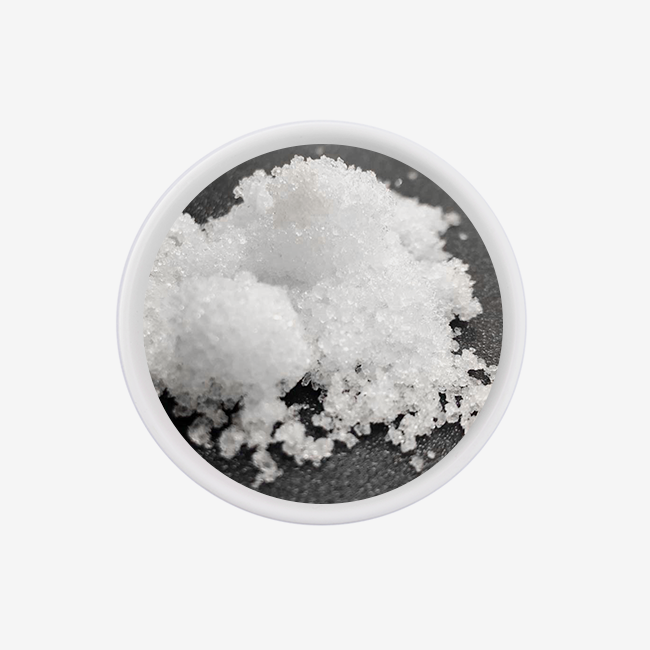 VIEW MOREBread Sodium Acetate Trihydrate
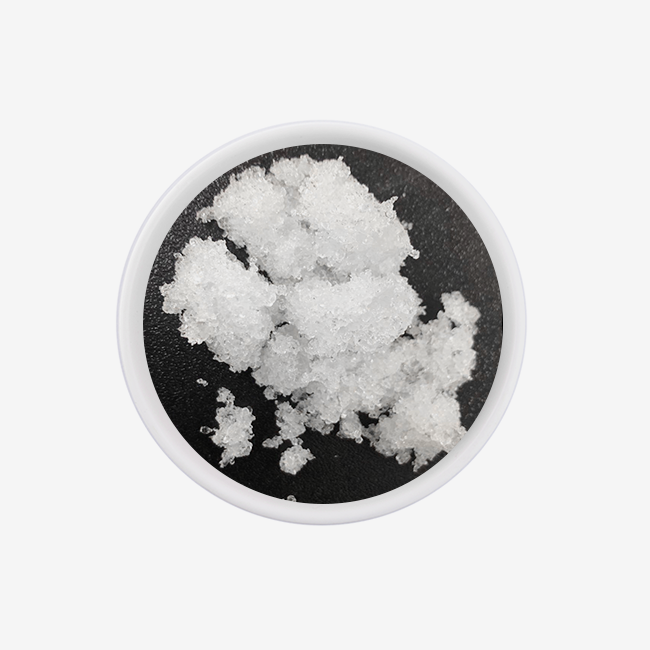 VIEW MORECarbon Source Sodium Acetate Trihydrate