



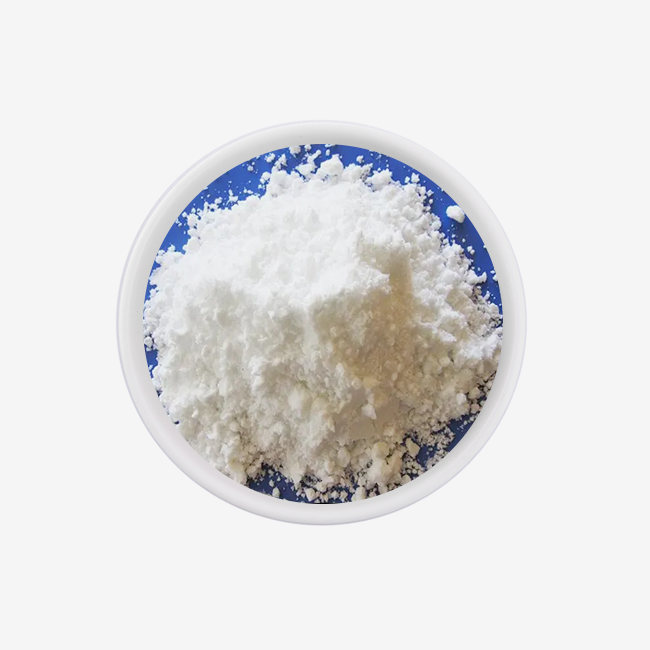
Oilfield Solid Sodium Formate
CAS NO.: 141-53-7
Molecular Formula: HCOONa
Molecular Weight: 68.01
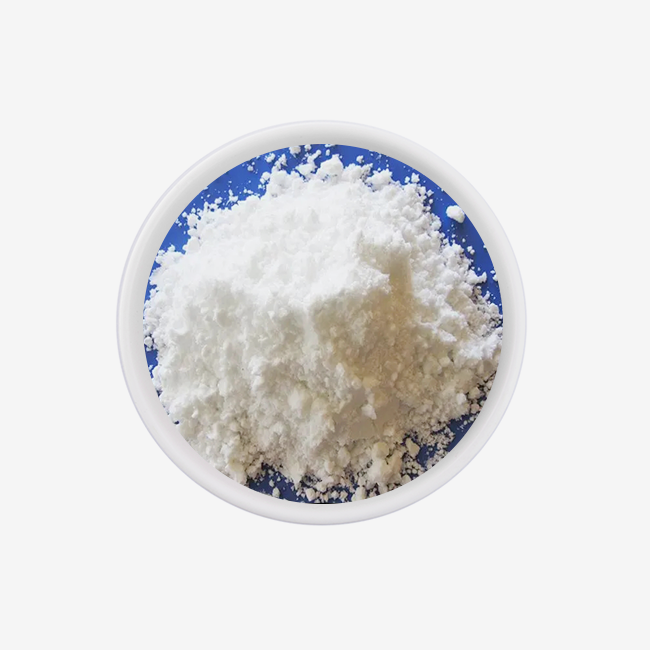
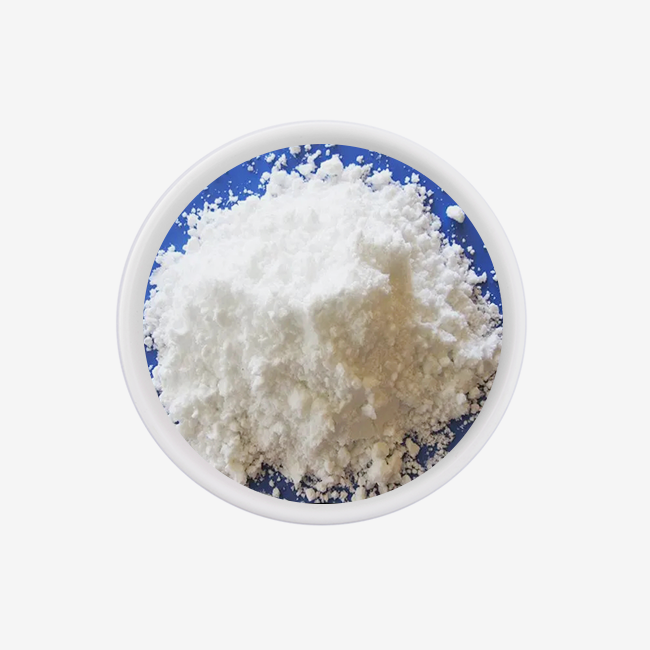
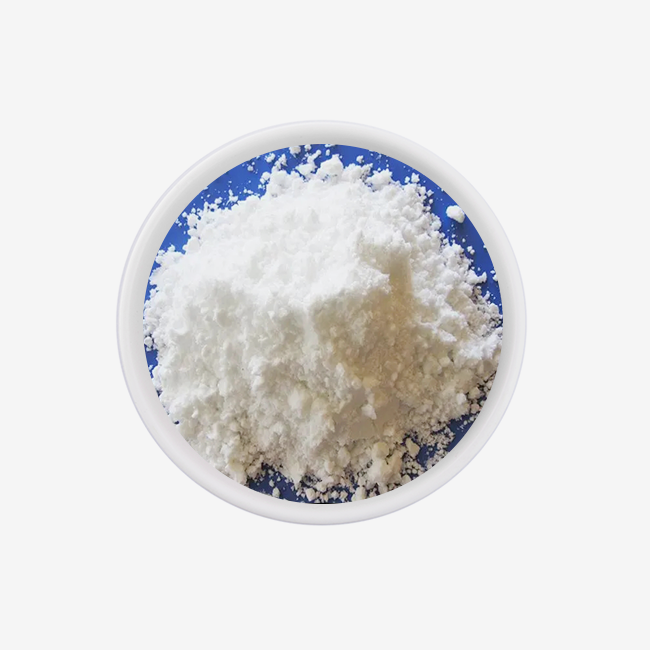
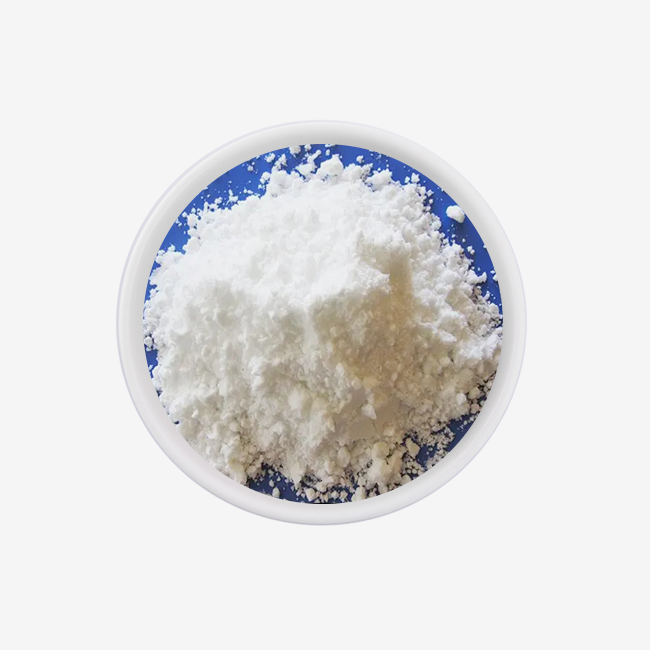
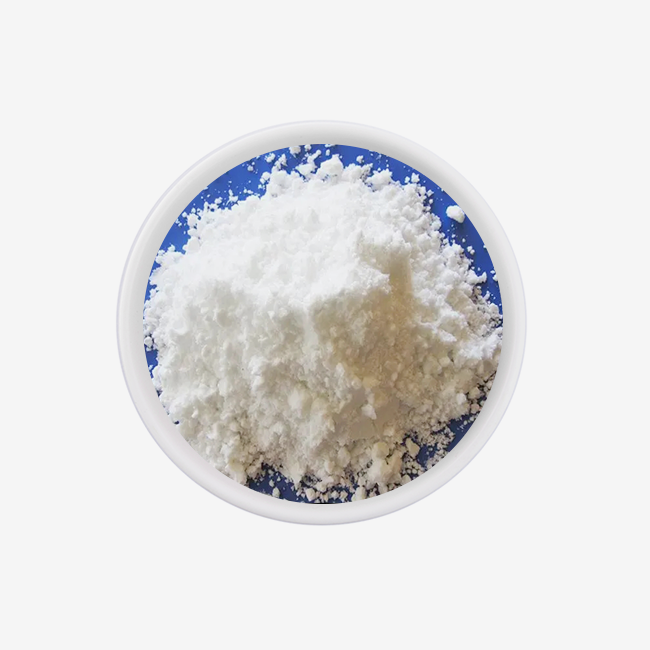
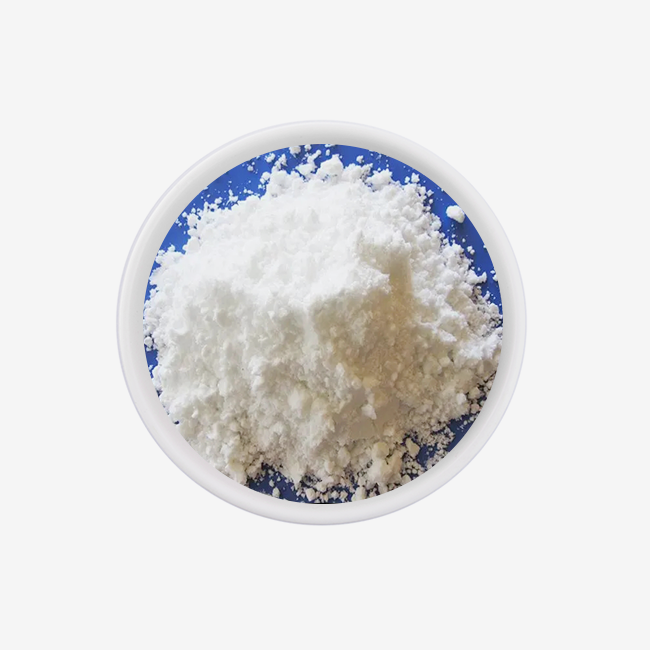
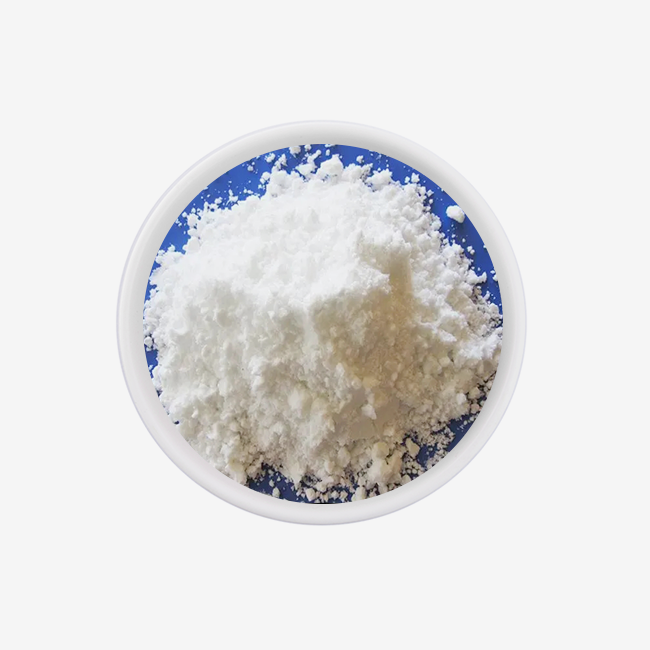
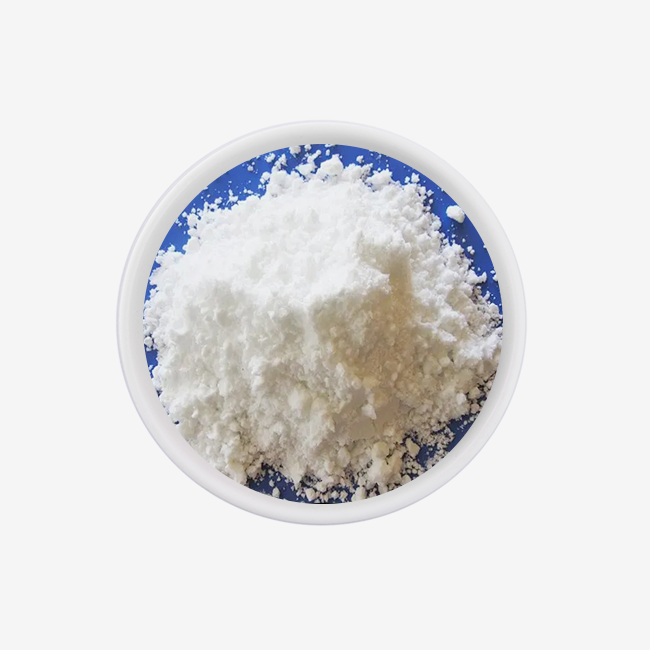
Character: White crystal powder.
Usage: Used in the production of Sodium Hydrosulfite, oxalic acid, and formic acid, oilfield development (oilfield drilling fluid, workover fluid, completion fluid), snow dissolving agent, mining, leather, printing and dyeing, etc.
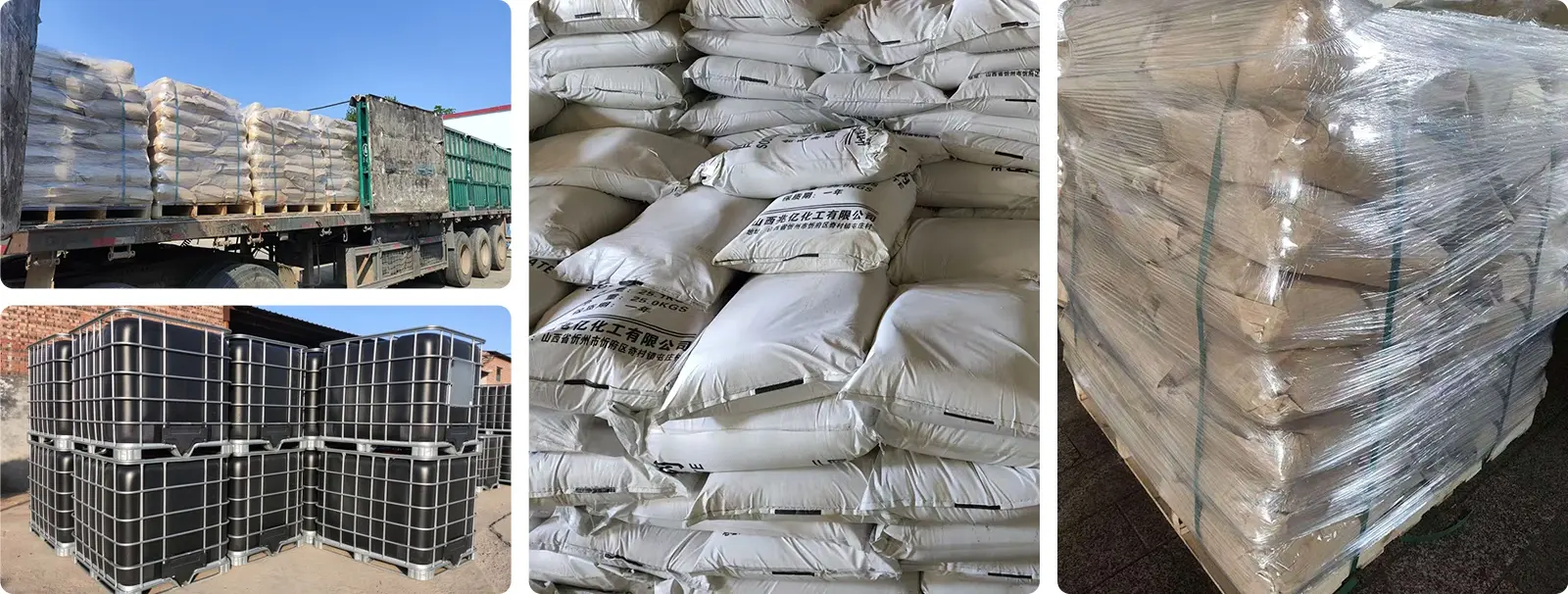
Package: 25kg plastic woven bag or 1000kg Ton-bag
Storage: It should be stored in a dry and ventilative warehouse, kept away from heat and moisture during transportation, unloaded with care so as to avoid damage. Furthermore, it must be stored separately from poisonous substances.
- Product Description
Oilfield Solid Sodium Formate for Drilling & Completion — Solids-Free, High-Density Brine Solution
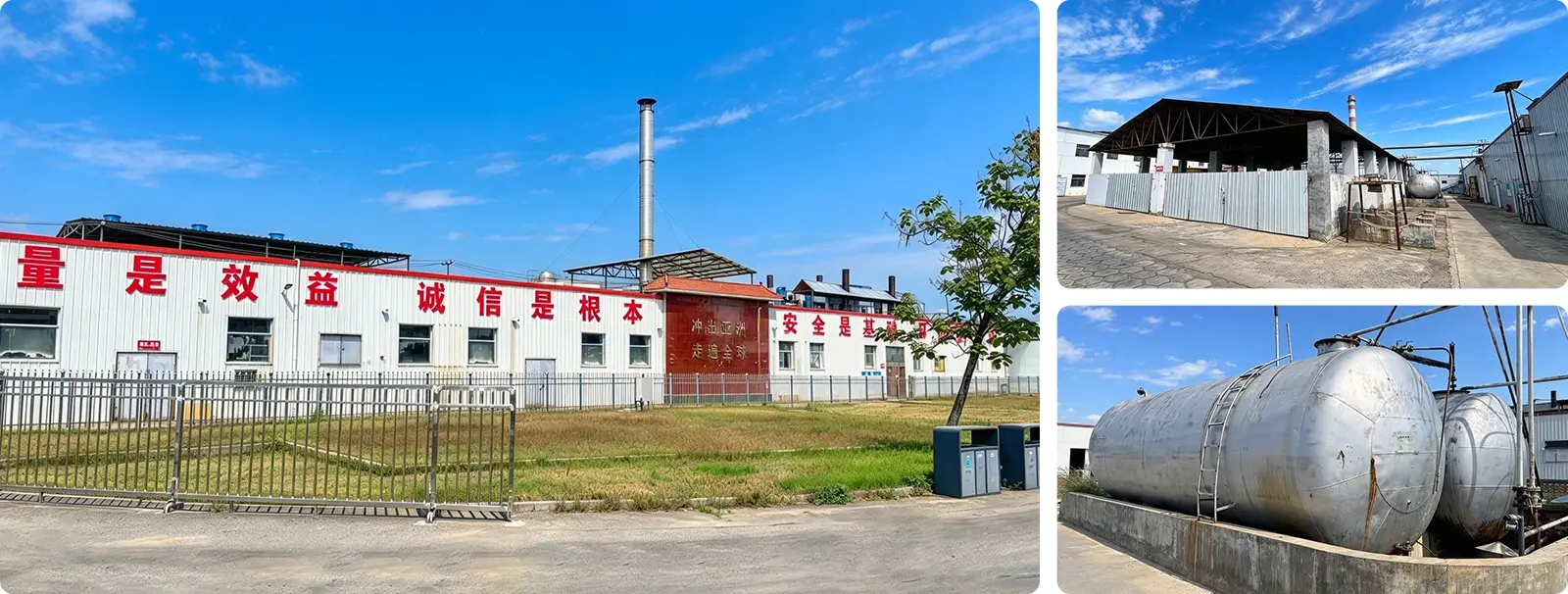
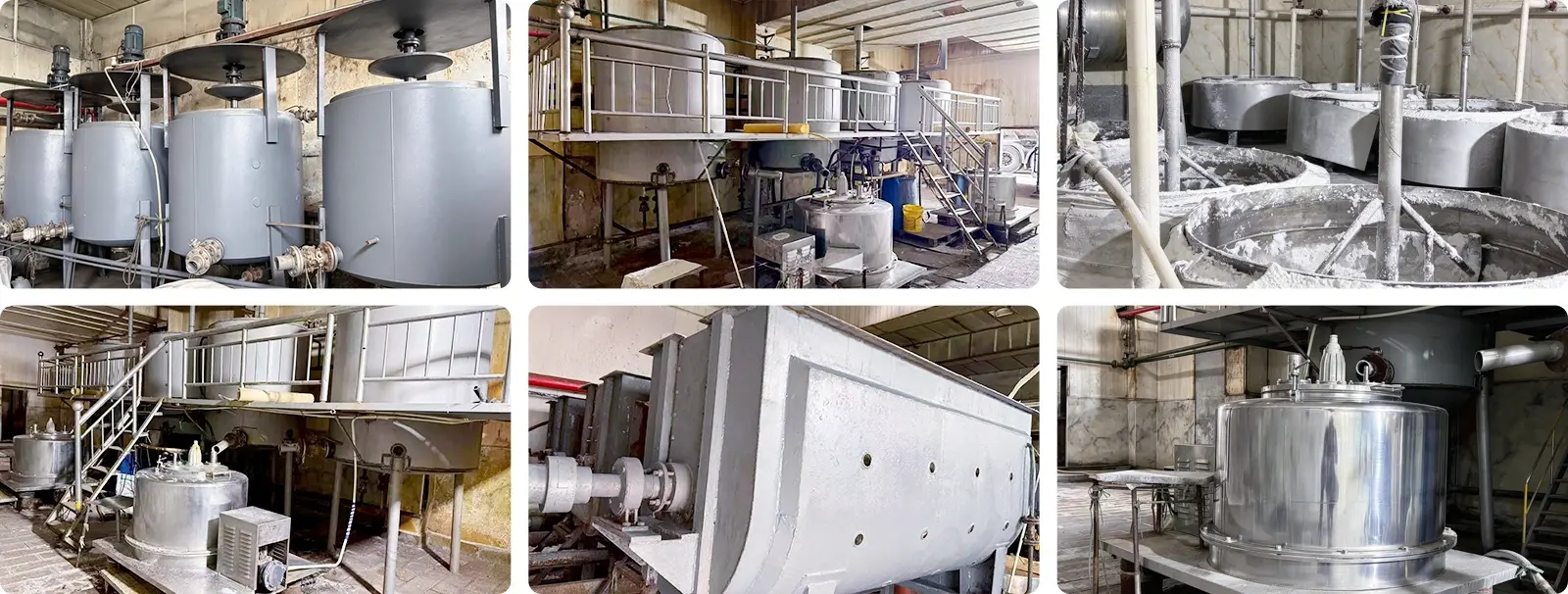
Oilfield Solid Sodium Formate (HCOONa, CAS No. 141-53-7) - White crystalline powder for high-performance wellbore applications. It is >98.0% pure and has <1.0% moisture. It is entirely soluble in water to provide a solids-free brine with densities up to 1.33 g/cm3. Produced by Shanxi Zhaoyi Chemical Co., Ltd. — This product is backed by a producer with more than 30 years of expertise and an annual capacity of 150,000 tonnes providing constant batch quality, dependable supply and versatile packaging in 25 kilogram woven bags or 1,000 kg tonne bags. It is used extensively in drilling, workover and completion operations across the world.
Technical Specifications
Parameter | Specification | Test Method |
Content (HCOONa) | ≥ 98.0% | GB/T 1391 |
Appearance | White crystalline powder | Visual inspection |
NaOH Content | ≤ 0.5% | Titration |
Na₂CO₃ Content | ≤ 0.5% | Titration |
NaCl Content | ≤ 0.5% | Ion chromatography |
Na₂S Content | ≤ 0.02% | Colorimetric |
Moisture Content | ≤ 0.5% | Karl Fischer |
pH (10% Solution) | 7.0 - 9.0 | pH meter |
Solubility in Water | Fully soluble | Lab test |
Specific Gravity (Saturated) | Up to 1.33 SG | Hydrometer |
Corrosion Rate (Carbon Steel) | ≤ 0.03 g/m²·h | Coupon test |
Clay Inhibition Rate | ≥ 90% | Swell test |
Molecular Weight | 68.01 g/mol | Calculated |
CAS Number | 141-53-7 | Registry |
What Makes This Product Different from Standard Weighting Agents
The fluid is left as solids in the fluid by the conventional weighing ingredients such as barite or hematite. That’s risky: solids settling, damage to the formation, hydrostatic variations you can't readily regulate.
Sodium formate acts a distinct way. It dissolves entirely to provide a real solids-free brine. You obtain accurate density control without the downhole problems that solids-laden fluids create.
This is particularly useful in HPHT wells, sensitive shale formations and reservoir drill-in applications where formation preservation is of the utmost importance.
Key Product Characteristics
Thermal and Chemical Stability
This product remains stable at temperatures exceeding 200°C, making it suitable for deep gas wells where polymer-based additives tend to degrade. It actually helps preserve biopolymers like Xanthan Gum and PAC by preventing hydrolytic breakdown in high-temperature environments — an advantage you won't get from chloride-based alternatives.
Shale Inhibition Through Osmotic Pressure
When the formate is utilised as a completion fluid (sodium formate) or drilling brine the formate ions inhibit water activity in the mud system. This prevents water from entering reactive clay formations, limiting shale swelling and preserving wellbore calibre in unstable areas creating an osmotic gradient.
Hydration inhibition and lubrication
It reduces the freezing point of the fluid and functions as a thermodynamic gas hydrate inhibitor – especially beneficial in deepwater or cold-environment operations. Its low coefficient of friction also minimises torque and drag, which is important in extended reach drilling (ERD) wells.
Environmental Performance
Sodium formate breaks down rapidly into water and CO₂. It is classified as PLONOR (Poses Little Or No Risk) in the North Sea and meets EPA and European environmental discharge standards. Compared to zinc chloride or calcium chloride brines, it carries significantly lower environmental risk — an increasingly important factor for offshore operators.
Application Scenarios in Oil and Gas Operations
Reservoir Drill-In Fluids (HPHT Zones)
This substance is formulated into solids-free drill-in fluids for high pressure, high temperature reservoirs to safeguard the reservoir permeability. Solid weight materials stop up formation pores and formate brine instead creates a thin, semi-permeable filter cake which maximises hydrocarbon production rates following drilling.
Water Based Muds Shale Stabilisation
It is a sodium formate oilfield drilling supply that is a direct substitute for potassium chloride (KCl) in reactive shale sections. You obtain better osmotic stabilisation without the environmental problems or corrosion dangers of chloride salts.
Workover and Completion Fluids
For offshore or remote onshore locations, solid sodium formate can be mixed on-site into high-density completion brines. Its solids-free nature eliminates the risk of particle settling in tubing or packer areas — reducing the need for costly remediation acid jobs later in well life.
Oilfield Solid Sodium Formate vs Other Products
Feature | Sodium Formate | Potassium Formate | Potassium Chloride | Barite |
Maximum Density | 1.33 SG | 1.57 SG | 1.16 SG | 2.2+ SG (as solid) |
Shale Inhibition | Excellent (≥90%) | Excellent | Moderate | None |
Corrosion Rate | Very Low | Very Low | High | Low |
Formation Damage | Minimal | Minimal | Moderate | High (plugging) |
Thermal Stability | >200°C | >200°C | <150°C | Excellent |
Environmental Impact | Biodegradable | Biodegradable | High chloride | Inert solid |
Solids Content | Zero | Zero | Zero | 100% particulate |
Cost Efficiency | Moderate | Premium | Low | Low |
Viscosity Impact | Low | Low | Moderate | Increases significantly |
HSE Classification | PLONOR eligible | PLONOR eligible | Marine pollutant | Nuisance dust |
Quality Control and Inspection Standards
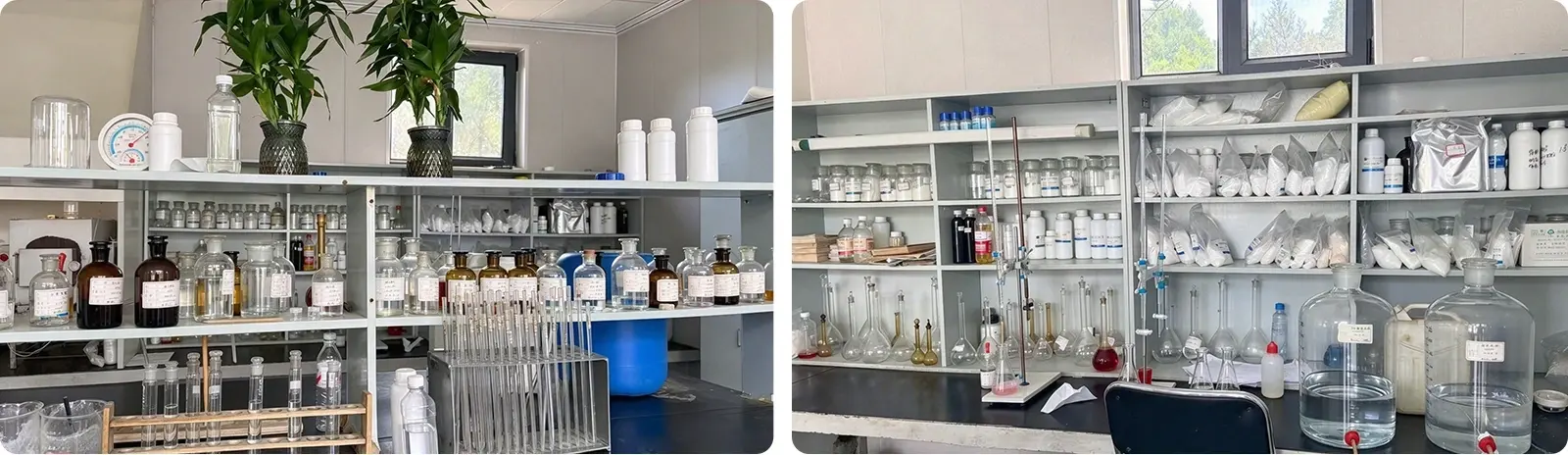
Reliable downhole performance starts with rigorous quality verification. Every batch of our Oilfield Solid Sodium Formate is subject to the following testing protocols:
· Purity Analysis (Titration Method): Verifies sodium formate concentration over 98% guaranteeing maximum density contribution per unit weight
· Insoluble Matter Test: 0.2% or less to maintain formation permeability and production screens
· Heavy Metals Profiling (ICP-OES): Mercury, cadmium and lead are strictly limited to fulfil OSPAR and comparable environmental standards
· Caking Resistance Testing: Visual and pressure evaluation ensures free-flowing powder after transport — critical for accurate rig-side dosing
· Corrosion Compatibility: Brine compatibility verified against carbon steel and elastomers to confirm non-corrosive behavior
Full documentation — COA, MSDS, and compliance certificates — is available with every shipment.
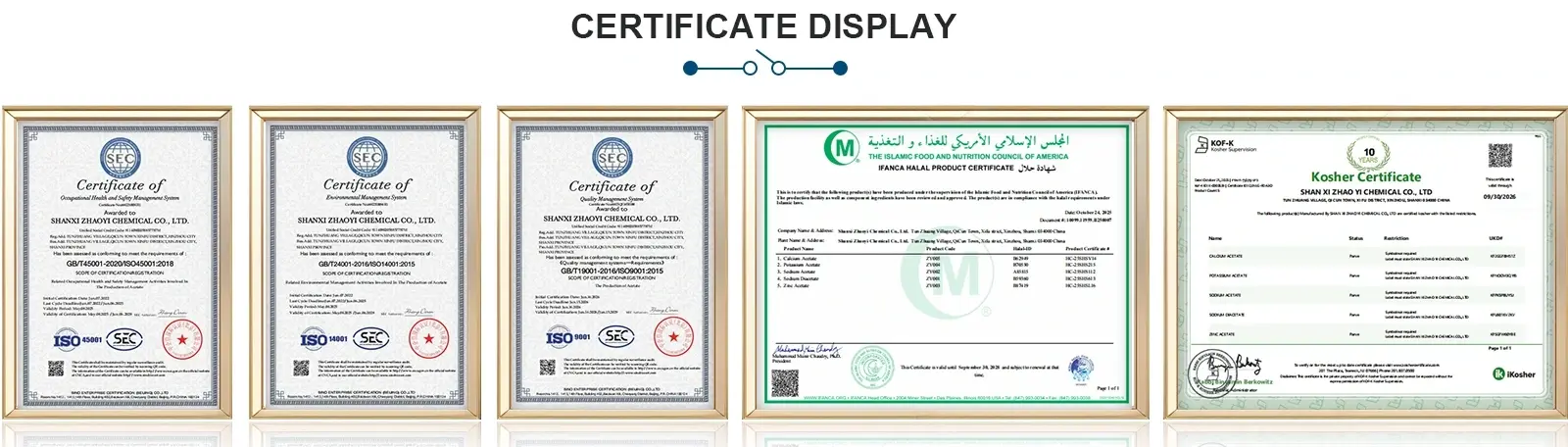
Certifications & Compliance
Shanxi Zhaoyi Chemical Co., Ltd. operates under a certified quality and environmental management framework:
· ISO 9001 — Quality Management System
· ISO 14001 — Environmental Management System
· ISO 45001 — Occupational Health and Safety Management System
· Kosher & Halal Certification — For applicable product grades
On-site factory audits by domestic and international customers are fully supported. All required export documentation, multilingual MSDS, and COA are prepared according to destination market requirements.
Packaging and Storage
Packaging Options:
· 25 kg multi-layer PP/PE woven bags with sealed liners
· 1,000 kg ton bags for bulk orders
Storage Requirements:
Sodium formate is a hygroscopic salt. Store in a dry, well-ventilated warehouse, away from heat and moisture. Keep bags sealed and on pallets. Keep away from harmful chemicals. Use immediately opened or punctured bags to avoid caking and dosage errors.
FAQ
Q: How does product compare to potassium formate?
A: Sodium formate is cheaper, but its maximum density limit is lower, 1.33 g/cm3, against 1.57 g/cm3 for potassium formate. This is the usual basic brine. Potassium formate is added only when greater densities are needed.
Q: Can formate brine be recycled between wells?
A: Yes. Formate brines are chemically stable and can be reclaimed, filtered, and re-weighted for use on subsequent wells — improving project economics on multi-well programs.
Q: Is it compatible with common drilling fluid additives?
A: It works well with biopolymers like Xanthan Gum and PAC. In fact, it enhances their thermal stability at temperatures up to 150°C within the polymer system, extending fluid performance in HPHT applications.
Q: What purity level should procurement teams specify?
A: Specify ≥98.0% purity on a dry basis. Lower purity indicates the presence of salts or byproducts that do not contribute to brine density and may precipitate under downhole conditions.
Q: How does it perform against insoluble matter requirements?
A: Our product is tested to maintain insoluble matter below 0.2% — meeting the strict "solids-free" criteria required for reservoir drill-in and completion fluid applications.
Q: What is the lead time for bulk orders?
A: Standard production lead time is approximately 5–7 working days. For in-stock products, delivery can be arranged within 24 hours. Technical consultation is available 24/7.

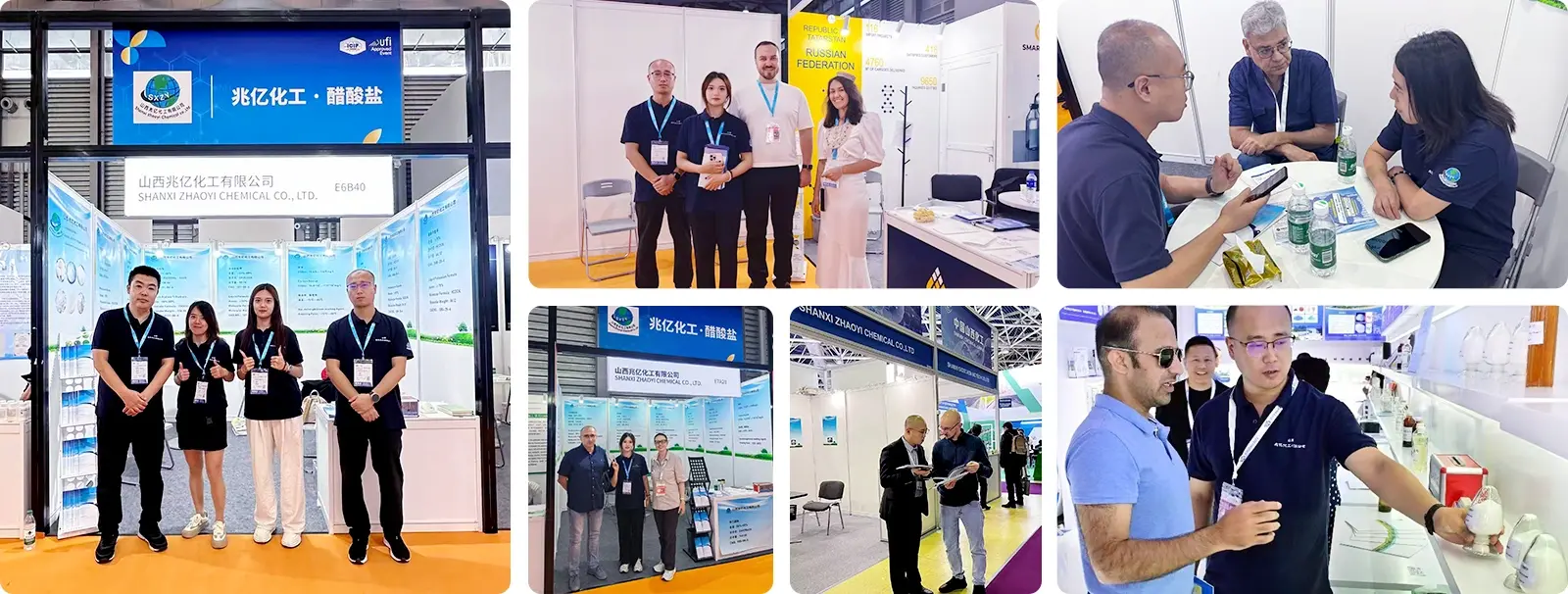
Our Exhibitions
Contact Us
Need a quote or Oilfield Solid Sodium Formate sample for your next drilling project? Reach out to our team at sxzy@sxzhaoyi.com — we typically respond within 2 hours.

USER EVALUATE
Here is the customer's evaluation of us
YOU MAY LIKE
 VIEW MOREIndustrial Solid Sodium Formate
 VIEW MORELeather Solid Sodium Formate
 VIEW MOREFur Processing Solid Sodium Formate
 VIEW MOREFabric Fixing Solid Sodium Formate
 VIEW MOREDrilling Solid Sodium Formate
 VIEW MOREDeicing Solid Sodium Formate
 VIEW MOREPrinting & Dyeing Solid Sodium Formate
 VIEW MORESnow Melting Solid Sodium Formate