



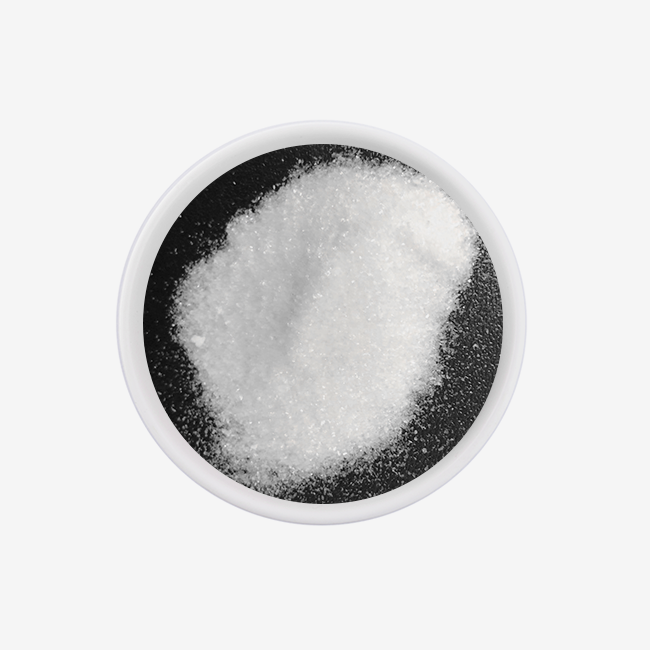
pH Adjustment Sodium Acetate Anhydrous
CAS NO.: 127-09-3
Molecular Formula: CH3COONa
Molecular Weight: 82.03
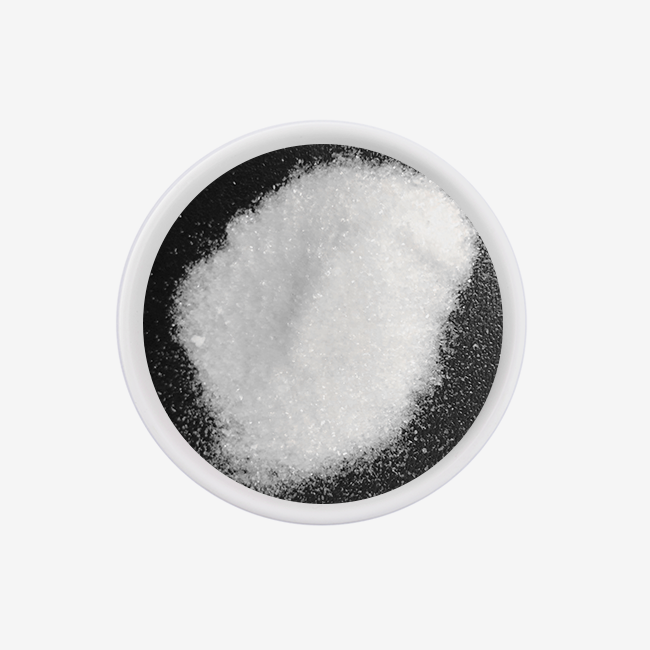
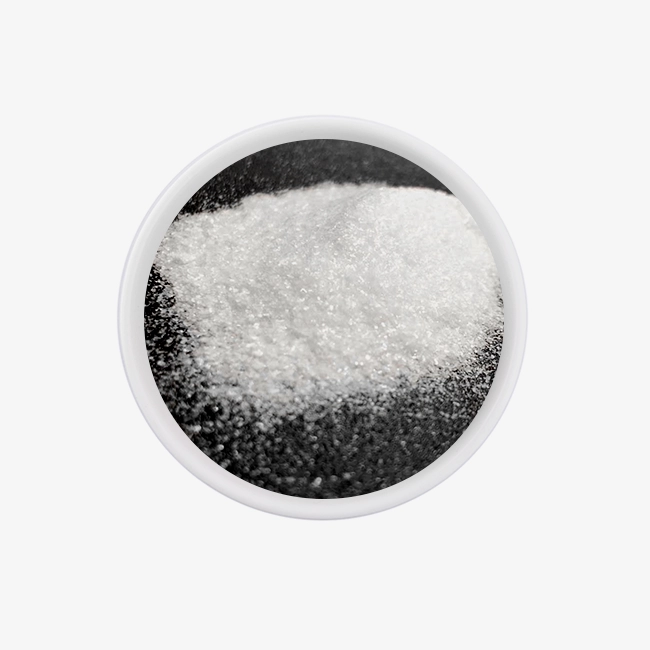
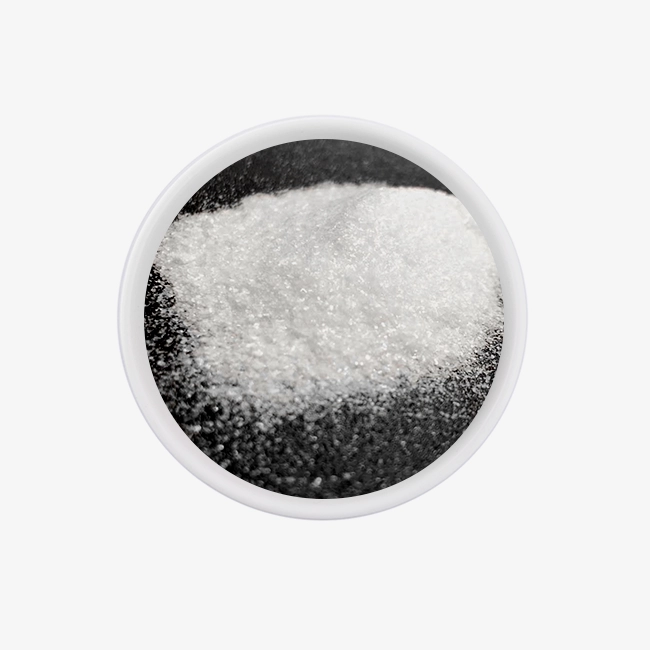
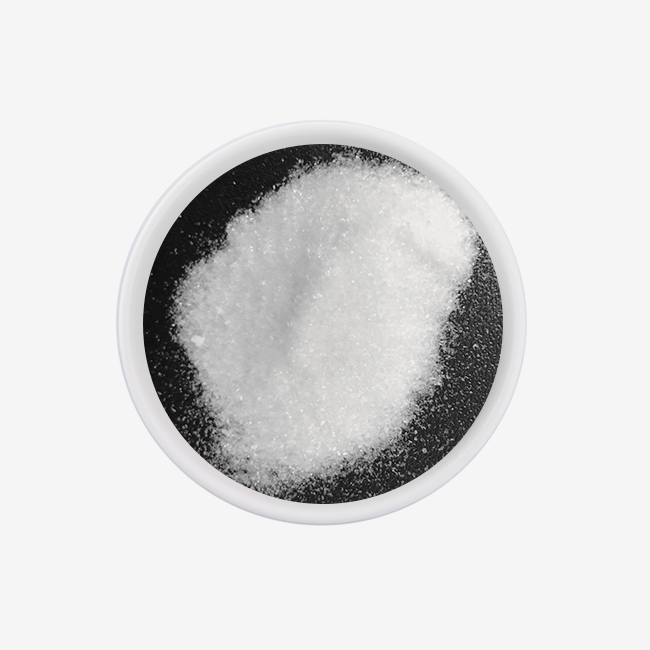
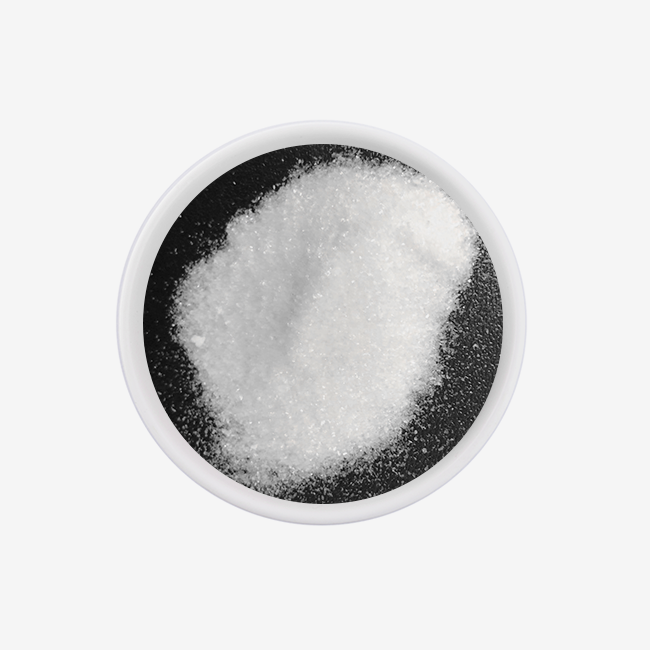
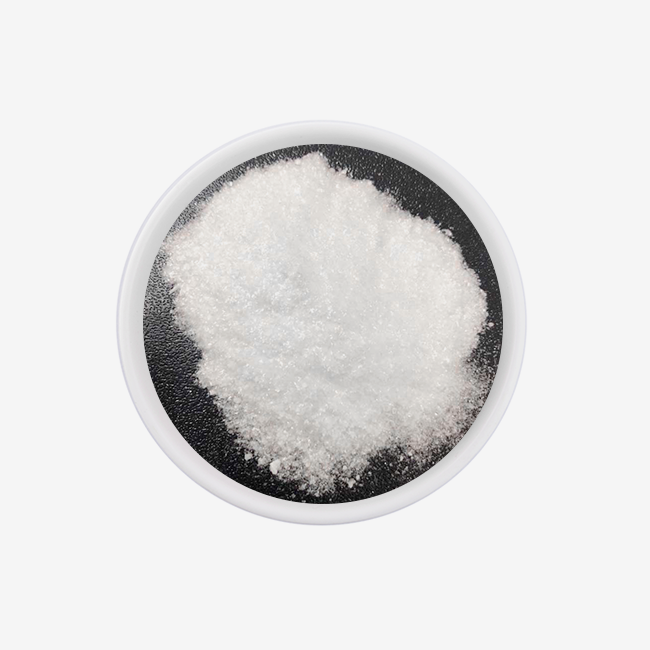
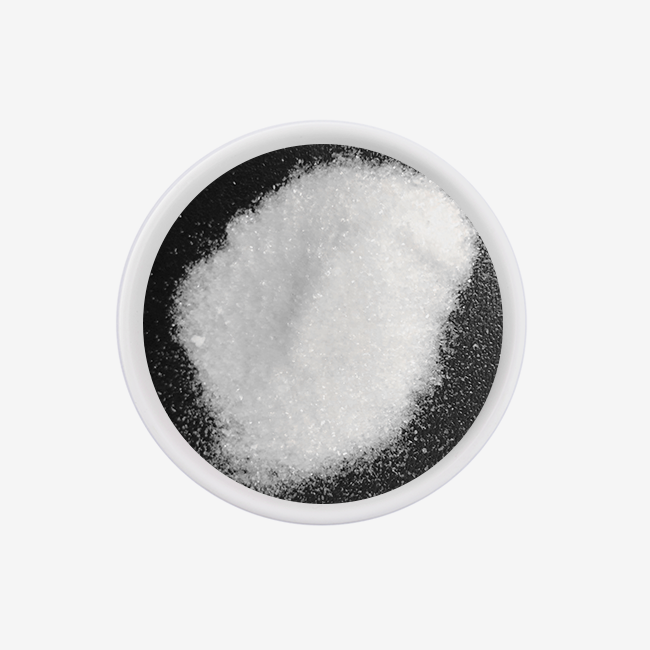
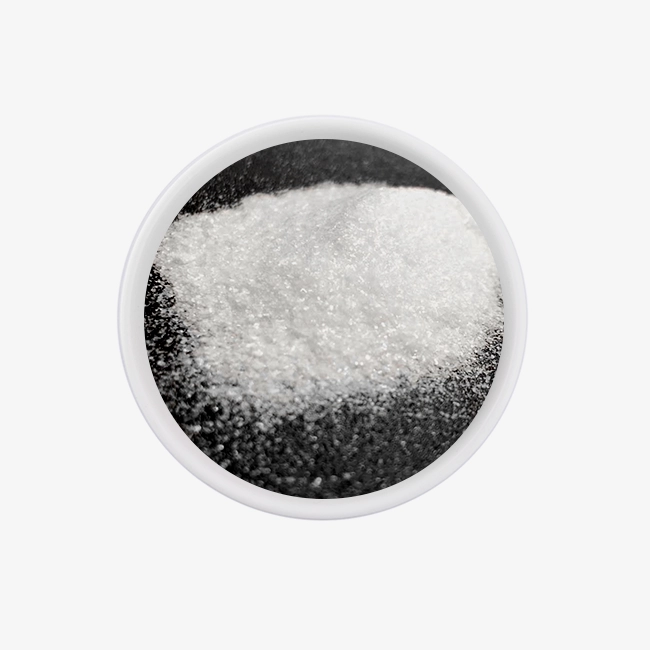
Character: white crystal powder; specific gravity is 1.528 and melting point is 324℃.
Usage: It is a kind of chemical raw material and is widely used in dye, pharmaceutical, chemical reagent fields, sewagement and etc.
Package: 25kg plastic woven bag or 1000kg Ton-bag
Storage: It should be stored in a dry and ventilative warehouse, kept away from heat and moisture during transportation, unloaded with care so as to avoid damage. Furthermore, it must be stored separately from poisonous substances.
- Product Description
pH Adjustment Sodium Acetate Anhydrous — Industrial Buffer & Acidity Regulator for Precision Process Control
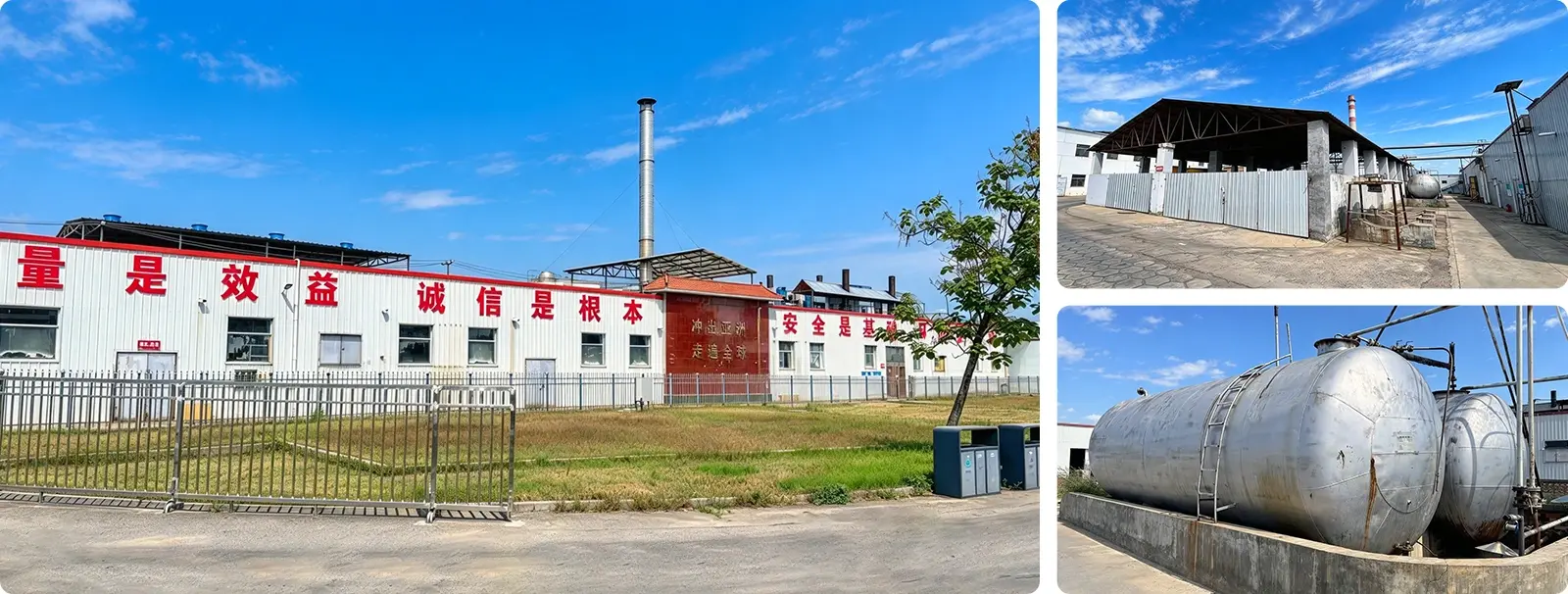
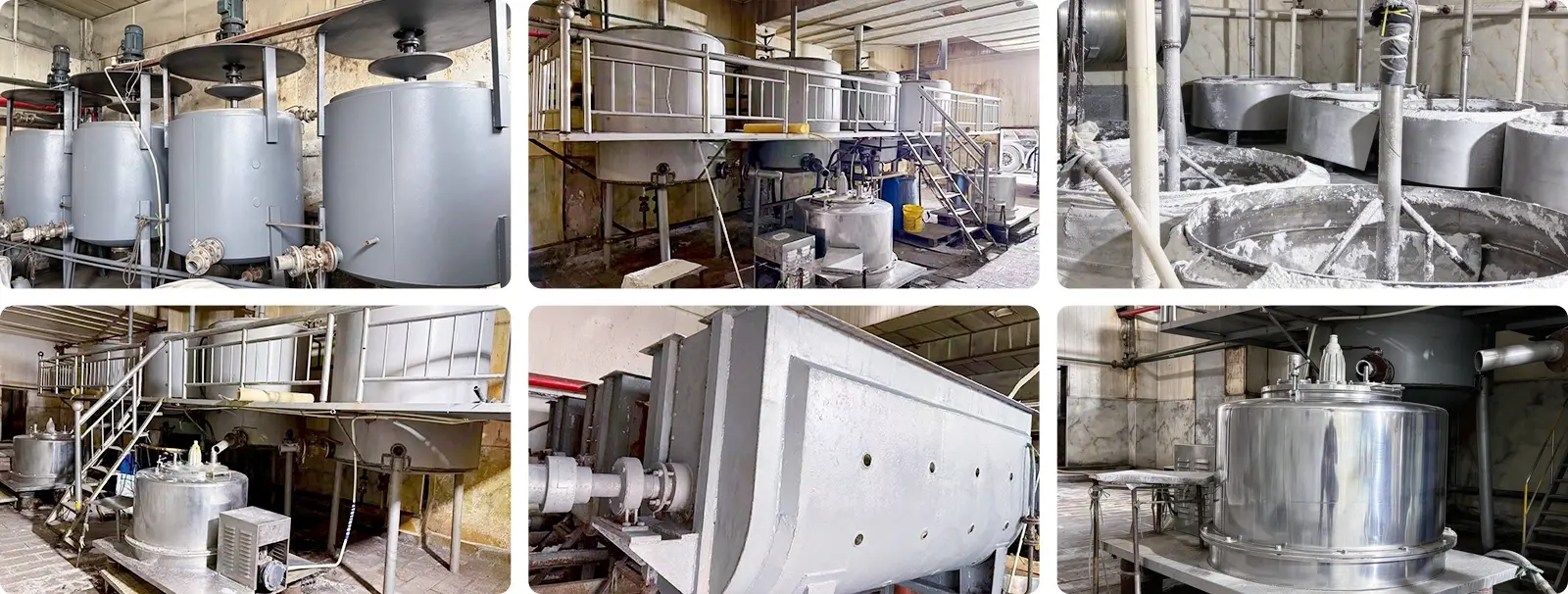
pH Adjustment Sodium Acetate Anhydrous (CAS No. 127-09-3, CH₃COONa) is a high-performance buffering and neutralising agent for demanding industrial applications. It is a white crystalline powder with melting point of 324 ° C, specific gravity of 1.528 and molecular weight of 82.03 g/mol. When mixed with acetic acid it provides accurate acidity control in the pH range of 3.7-5.6. Shanxi Zhaoyi Chemical Co., Ltd. is a manufacturer with more than 30 years experience, and with a capacity of 150,000 tonnes per year. It is a trusted quality provider, conforming to textile, pharmaceutical, wastewater treatment and food processing industries.
Technical Specifications
Parameter | Specification |
Content (CH3COONa) | ≥99.0% |
pH (5% aqueous solution) | 7.5-9.2 |
Molecular Formula | CH3COONa |
Molecular Weight | 82.03 g/mol |
Appearance | White crystal powder |
Specific Gravity | 1.528 |
Melting Point | 324℃ |
Water Insoluble | ≤0.01% |
Chloride (Cl) | ≤0.002% |
Sulfate (SO4) | ≤0.01% |
Phosphate (PO4) | ≤0.001% |
Magnesium (Mg) | ≤0.002% |
Calcium (Ca) | ≤0.05% |
Iron (Fe) | ≤0.0005% |
Heavy Metals (as Pb) | ≤0.002% |
Clarity Test | Qualified |
Moisture Content | ≤0.5% |
How It Works: The pH Buffering Mechanism
Knowing the chemistry of buffering can assist you in picking the right product for your process.
Sodium acetate anhydrous will dissociate in water to produce acetate ions (CH3COO-) and sodium ions (Na+). The acetate ions are actively buffering the pH against either upward or downward fluctuations.
· Acetic acid is produced when acid is added to the acetate ions, and this stops the pH dropping.
·Alkali is added and acetic acid reacts with OH- to produce water and acetate. This prevents the pH from rising.
This dual-action buffering system maintains your process constant – even in volatile chemical conditions where pH drift causes yield loss or safety issues. This concept is why sodium acetate anhydrous buffer solutions are chosen in pharmaceutical, textile and wastewater applications.
Key Product Characteristics
The performance of this pH Adjustment Sodium Acetate Anhydrous comes from its well-defined physicochemical properties. Here is what sets it apart from other pH regulators:
High Density of Acetate Ions
The anhydrous version provides more acetate ions per kg than its trihydrate equivalent. This results in a lower necessary dose to provide the same buffering effect, decreasing the cost of materials and storage space.
Stability to Heat
The product has a melting point of 324°C and can tolerate high temperature industrial operations without disintegration. It does not break down during processing processes like volatile organic amines.
Dissolving Fast and Mildly Exothermic
A little heat is released on solution in water. This is a crucial factor in your mixing tank design especially for temperature sensitive mixtures. Process engineers should take this heat burden into consideration properly.
Hygroscopicity — Controlled By Proper Handling
The product reveals a strong affinity to water and is hence particularly appropriate for fast dissolution in aqueous conditions. However, it should be maintained in a sealed moisture-barrier packing to prevent caking during long term storage.
Industrial Applications
Textile & Dyeing
Controlling the pH of sodium acetate in the dyeing process in textile production is critical for consistent colour results. It neutralises waste streams of sulphuric acid and stabilises pH of the dye bath. It is a levelling agent and retarder.
Prevents rapid acid changes ("acid shock") that safeguard fabric tensile strength and consistent dye penetration and colour fastness. This immediately minimises the cost of batch rejects and re-work for dyeing facilities.
Treatment of Sewages
Anhydrous sodium acetate is used in wastewater applications because it serves as a carbon source for biological denitrification and also works as a pH buffer for effluent neutralisation. This usage may be made using technical grade goods at lower cost.
It helps facilities fulfil wastewater discharge regulations by maintaining consistent pH levels throughout the treatment cycle, a key compliance requirement in most countries.
Pharmaceutical & Biotechnology
The pH of hemodialysis solutions and injectable medicine formulations is precisely controlled to prevent active pharmaceutical ingredients (APIs) from acid degradation. The anhydrous version is chosen here since any more water in the trihydrate crystals might interfere with delicate formulations.
For usage in biotech and pharmaceutical applications, high purity grades are needed to avoid catalytic interference. Heavy metals are limited to 10 ppm or less and chlorides to 0.035 % or less.
Processing of Foods
Sodium acetate anhydrous is used as an acidity regulator (E262) in meat processing and pastry goods. It stabilises pH and lowers water activity, creating a bacteriostatic environment and acting as a natural preservative, while boosting flavour profiles without harsh acidity.
pH Adjustment Sodium Acetate Anhydrous vs Other Products
Feature | Sodium Acetate Anhydrous | Sodium Acetate Trihydrate | Sodium Bicarbonate | Sodium Hydroxide |
Acetate Ion Density | High (100% active) | Lower (60% active) | No acetate ions | No acetate ions |
Buffering Range | pH 4.5-5.5 (optimal) | pH 4.5-5.5 | pH 8.3-10.3 | No buffering |
Moisture Content | ≤0.5% | ~39% crystalline water | Low | N/A |
Thermal Stability | 324℃ melting point | Loses water at 58℃ | Decomposes at 50℃ | Stable but caustic |
Handling Safety | Non-corrosive | Non-corrosive | Mild irritant | Highly corrosive |
Storage Stability | 12 months sealed | Prone to liquefaction | Absorbs CO2 | Absorbs moisture/CO2 |
Cost Efficiency | Higher per kg, lower per mole acetate | Lower per kg, higher per mole | Low cost but different function | Very low cost but harsh |
Application Precision | Excellent for sensitive systems | Good but diluted | Limited buffering | Only for strong neutralization |
Certifications & Compliance
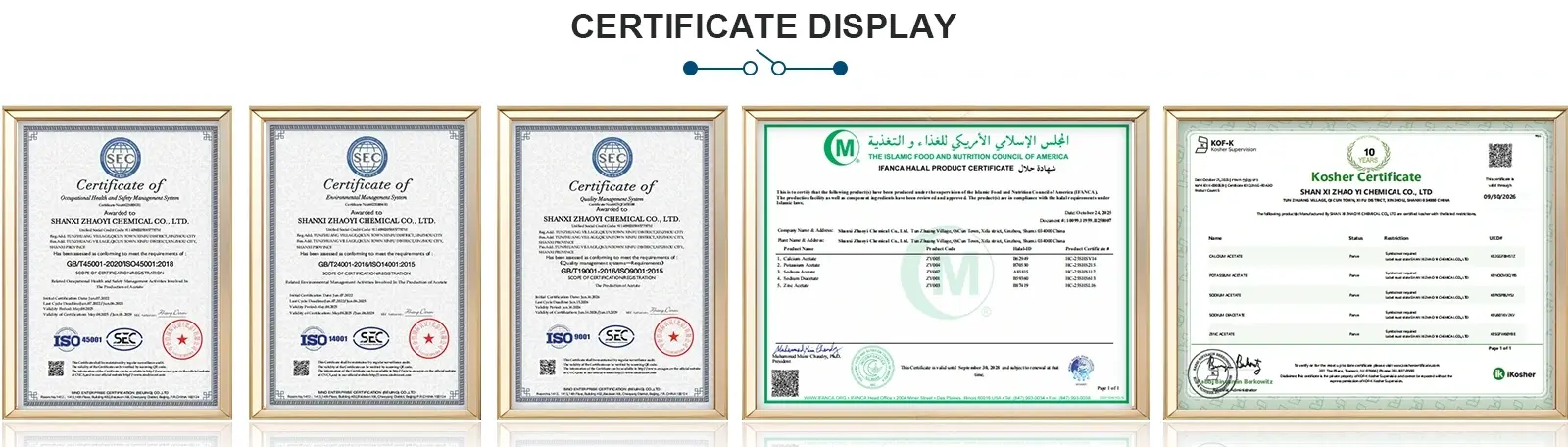
Shanxi Zhaoyi Chemical Co., Ltd. maintains a full set of internationally recognized management system certifications, giving you confidence in supply chain compliance and product documentation.
· ISO 9001 — Quality Management System
· ISO 14001 — Environmental Management System
· ISO 45001 — Occupational Health and Safety Management System
· Kosher Certification — For applicable food-grade products
· Halal Certification — For applicable food-grade products
Multilingual MSDS, COA, and conformity documents are available upon request. On-site factory audits by international customers are supported.
Supply, Packaging & Logistics
With a 27,000 m² production facility and 150,000 tons annual output capacity, Shanxi Zhaoyi Chemical can reliably support both standard and bulk orders.
Packaging options:
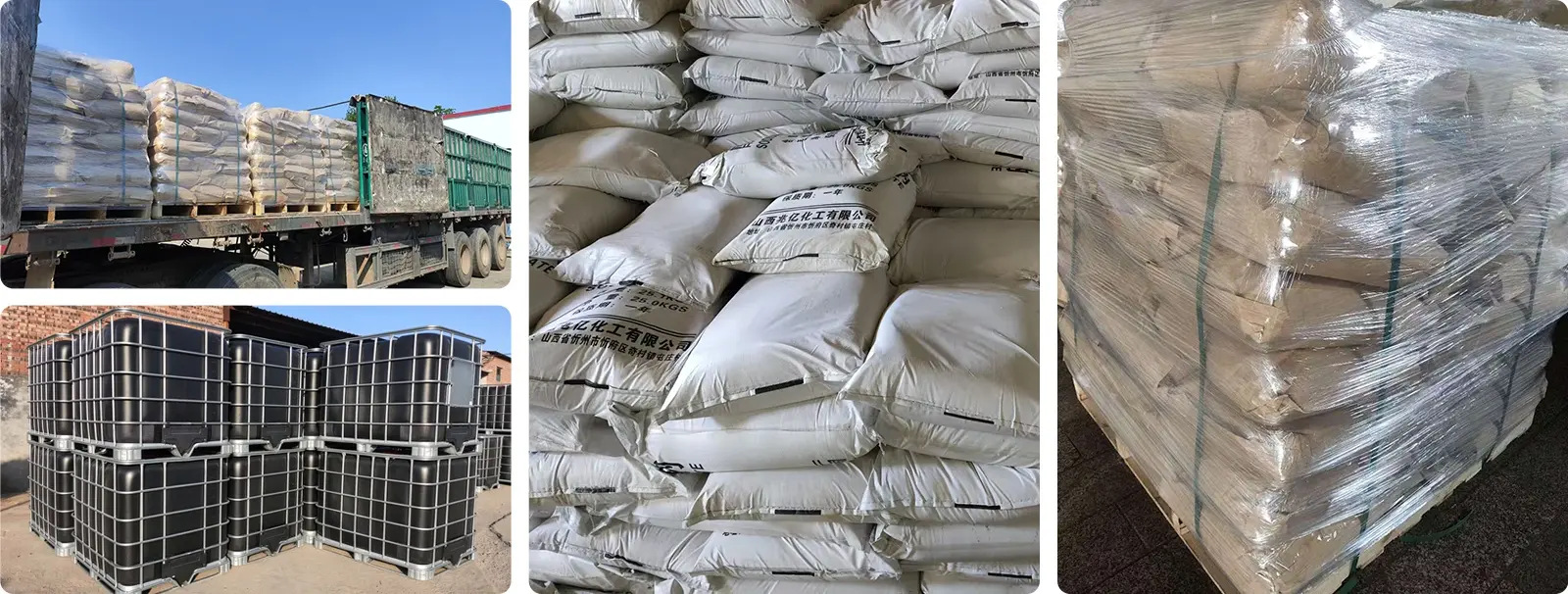
· 25 kg plastic woven bags (with moisture-barrier liner)
· 1,000 kg ton bags
Delivery timelines:
· Stock orders: Dispatched within 24 hours
· Standard production orders: 5–7 working days
· Technical inquiries: Responded to within 2 hours; 24/7 support available
The firm cooperates with long-term international freight partners and supports trading terms of FOB, CIF and DAP. Help with export documents and customs clearance.
Storage: Keep in a dry, well-ventilated warehouse. Keep away from heat and moisture during transportation. Avoid contact with toxins. Take care in handling to prevent damage to the packing.
FAQ
Q:Why use the trihydrate instead of the anhydrous form to alter pH?
A: The anhydrous version has a greater concentration of acetate ions per kg. That drives down transportation costs and storage space, and crucially, avoids introducing water into formulas which are sensitive to moisture.
Q:How far is the effective buffer distance?
A: It works best between pH 3.7 and pH 5.6 when used as a sodium acetate anhydrous buffer with acetic acid. This makes it well suited for use in dye baths, medicinal formulations and food.
Q: Can wastewater pH be adjusted with technical grade?
A: Yes. Effluent neutralisation and biological treatment may be achieved economically with technological grade. For pharmaceutical and food use high purity grades are needed with limitations on heavy metals.
Q:When it dissolves does it emit heat?
A: Yes. The dissolution is a little exothermal. Your process engineers should also take into consideration the heat released in the anhydrous state vs the endothermic dissolution of trihydrate in temperature-controlled mixing systems.
Q:How should it be kept to avoid caking?
A: Because the product is hygroscopic, it has to be enclosed in moisture barrier bags. Storage places should be dry and well aired. Production facilities should use nitrogen-blanketed or climate-controlled hopper systems.
Q:Are there bespoke grading or packaging options for the product?
A: Yes. Shanxi Zhaoyi Chemical provides OEM labelling, customised purity grades and flexible package configurations. Special needs like ultra-low heavy metals or specified dissolving rates are available on request via joint development.

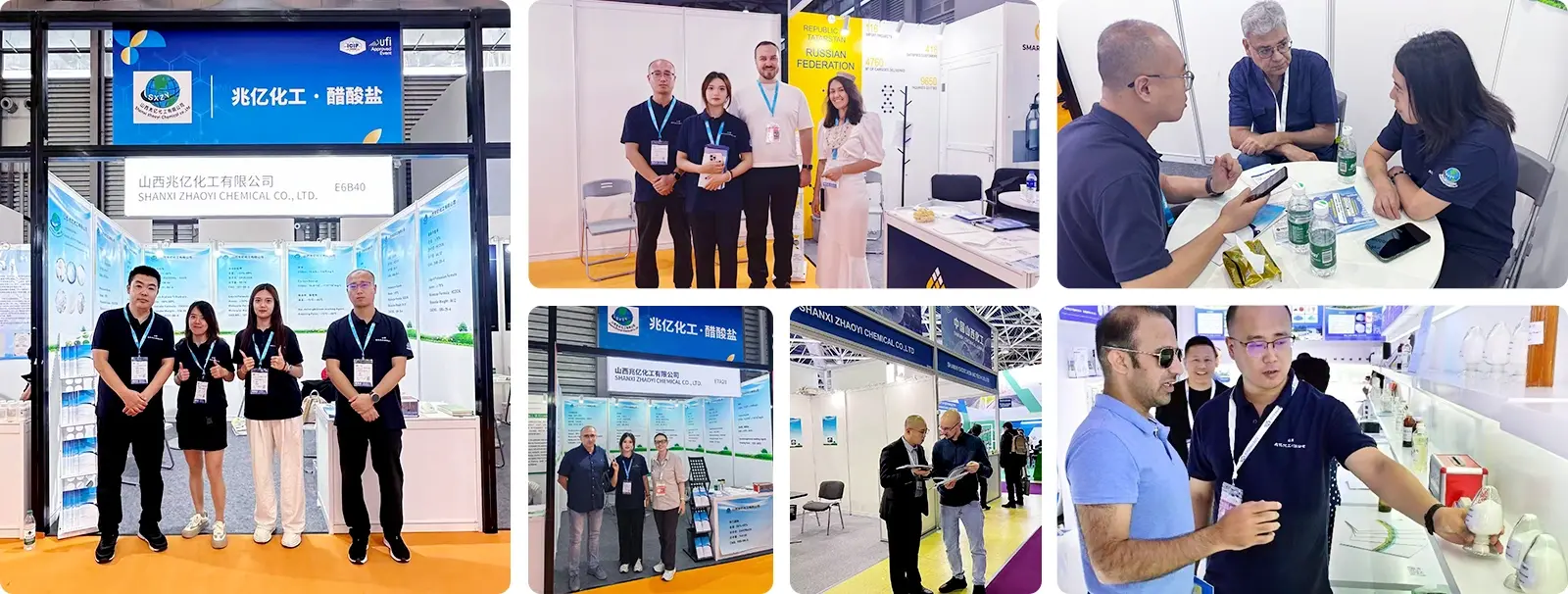
Our Exhibitions
Contact Us
Ready to source reliable pH Adjustment Sodium Acetate Anhydrous? Send your inquiry to sxzy@sxzhaoyi.com and receive a response within 2 hours.

USER EVALUATE
Here is the customer's evaluation of us
YOU MAY LIKE
 VIEW MOREIndustrial Sodium Acetate Anhydrous
 VIEW MOREPharmaceutical Sodium Acetate Anhydrous
 VIEW MOREAntibiotic Sodium Acetate Anhydrous
 VIEW MOREDyeing Sodium Acetate Anhydrous
 VIEW MORECatalytic Sodium Acetate Anhydrous
 VIEW MOREFood-Grade Sodium Acetate Anhydrous
 VIEW MORESewage Sodium Acetate Anhydrous
 VIEW MOREPharmaceutical Intermediate Sodium Acetate Anhydrous