



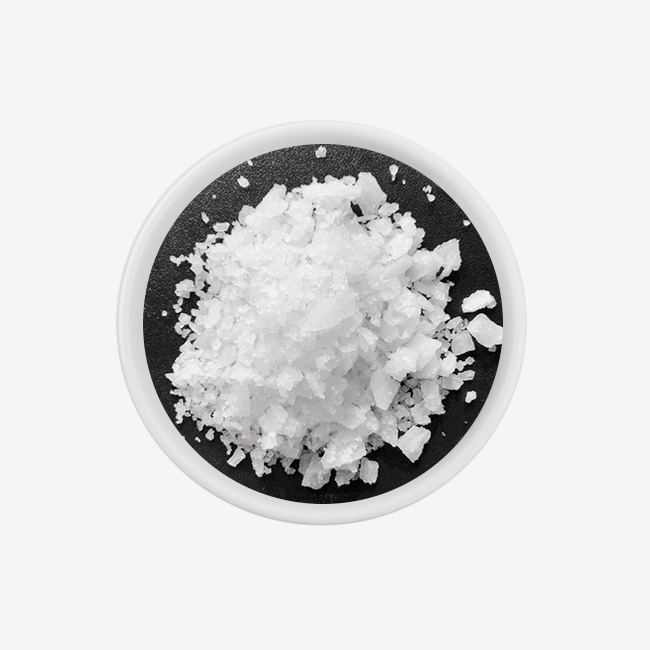
Industrial Catalytic Liquid Potassium Formate
CAS NO.: 590-29-4
Molecular Formula: HCOOK
Molecular Weight: 84.12
Character: Colorless transparent liquid.
Usage:
1. It is widely used in oil field industry as drilling fluid with excellent performance;
2. As the camouflage acid in the leather industry;
3. As reducing agent in print and dyeing industry;
4. As road snow melting agent, early strength agent of cement paste, and in carbon black manufacture, leaf fertilizer and other industries.
Package: 1000L IBC tank or Flexibag.
Storage: It should be stored in a dry and ventilative warehouse, kept away from heat and moisture during transportation, unloaded with care so as to avoid damage. Furthermore, it must be stored separately from poisonous substances.
- Product Description
Industrial Catalytic Liquid Potassium Formate — High-Purity Catalyst Solution for Precision Chemical Synthesis
Industrial Catalytic Liquid Potassium Formate (CAS No. 590-29-4, HCOOK) is a colourless clear liquid solution with a concentration of 75% and is intended for utilisation in difficult catalytic and industrial applications. It has a molecular weight of 84.12, pH 7.5-9.0 and viscosity ≤60 mPa.s at 25°C providing smooth pipeline transit and accurate dosing. Manufactured by Shanxi Zhaoyi Chemical Co., Ltd. — a producer with over 30 years of acetate and formate chemistry experience and an annual capacity of 150,000 tons — this product meets strict impurity limits: Cl ≤0.03%, Fe ≤0.006%, and heavy metals (as Pb) ≤0.001%.

Technical Specifications
Parameter | Specification | Test Method |
Appearance | Colorless transparent liquid | Visual inspection |
Assay (HCOOK) | ≥75% | Titration |
Hydroxide (OH⁻) Content | ≤0.3% | Titration |
Carbonate (CO₃²⁻) Content | ≤0.5% | Titration |
Chloride (Cl⁻) Content | ≤0.2% | Ion chromatography |
pH Value | 7.5-9.0 | pH meter |
Viscosity at 25°C | ≤60 mPa·s | Rotational viscometer |
Molecular Formula | HCOOK | - |
Molecular Weight | 84.12 | - |
CAS Number | 590-29-4 | - |
Density (20°C) | Approx. 1.57 g/cm³ | Pycnometer |
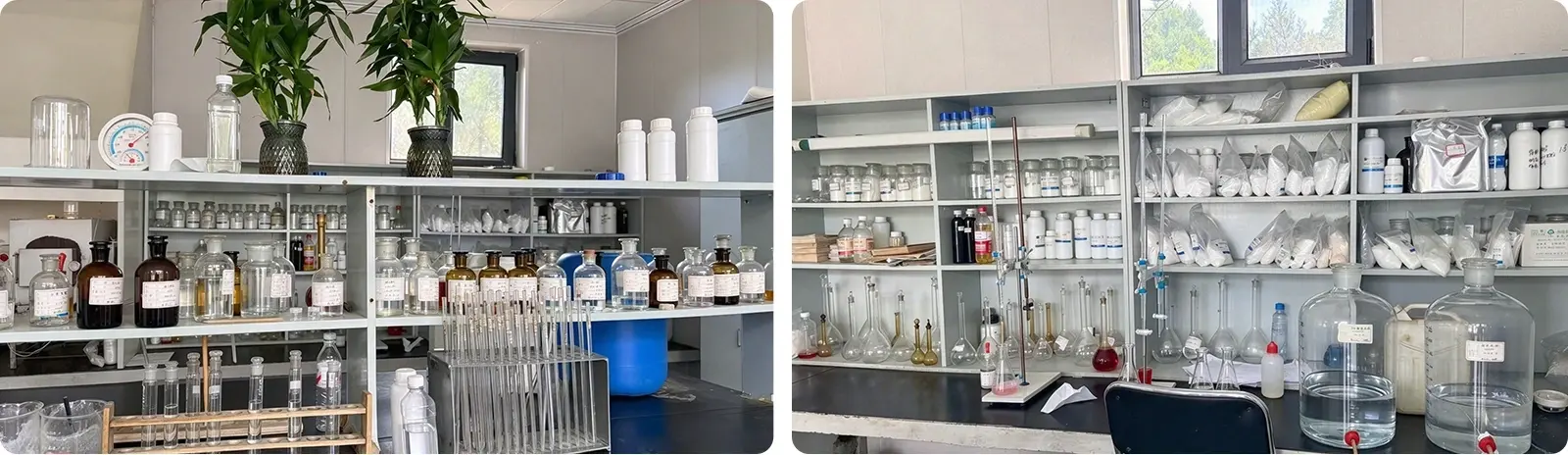
What Makes This Potassium Formate Solution Stand Out?
In catalytic synthesis, pharmaceutical manufacture, oilfield operations, the quality of your formate solution strongly influences the reaction results. Common pain points include unstable pH, too many contaminants and poor flowability lower yield and raise the operating cost.
This product is developed precisely to solve such problems. Its steady buffering capacity preserves the pH window for sustained catalytic activity. It’s low viscosity means it won’t clog or feed unevenly on your production line. With such a strict control on the impurity profile, you can be certain that your catalyst will not be poisoned with chloride or metal contamination.
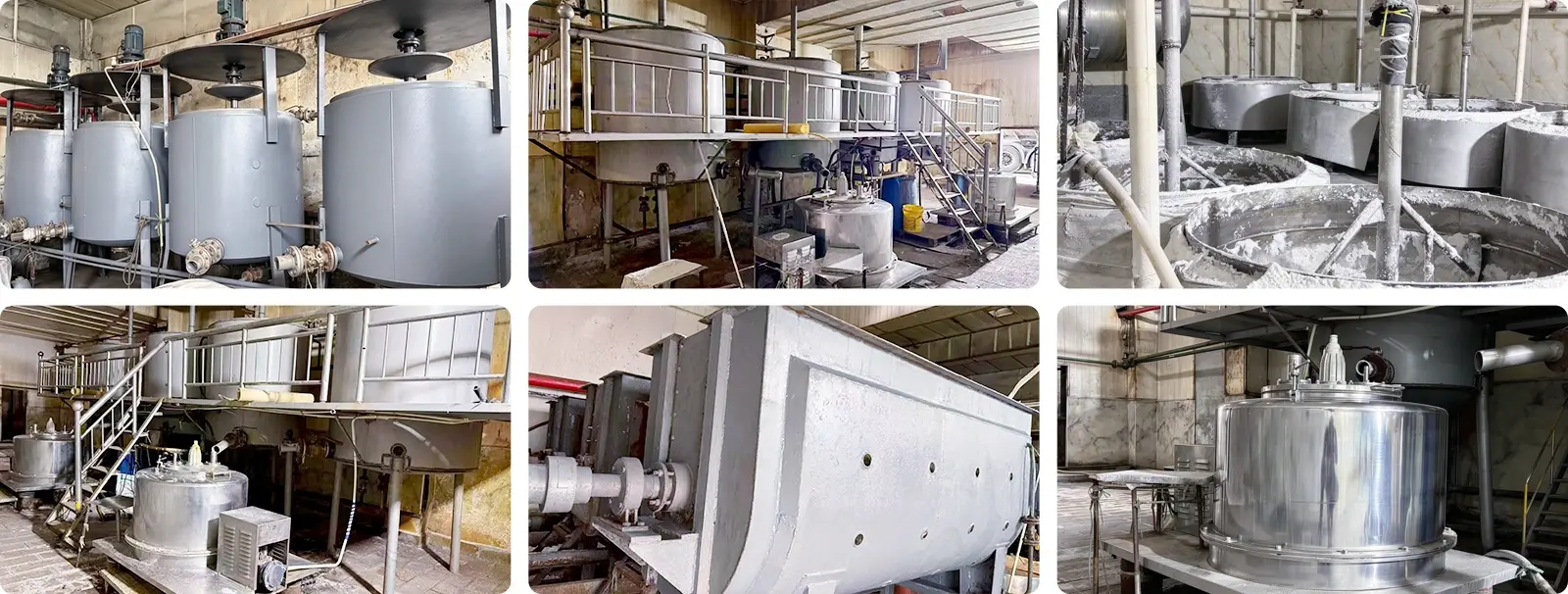
Core Application Scenarios
Organic Synthesis Catalysis
The primary use case for liquid potassium formate catalyst is as a catalyst and acid-binding agent in organic synthesis. It plays a critical role in:
· Acetylation reactions — providing a stable alkaline environment that prevents side reactions
· Claisen condensation — acting as a buffering base to drive condensation selectivity
· Esterification reactions — neutralizing acid byproducts to shift equilibrium toward the desired ester product
· Halohydrocarbon hydrolysis — maintaining controlled pH throughout the reaction cycle
It is often used as a buffer in catalytic reaction systems in the chemical, pharmaceutical and dye industries, where the stability of pH is directly related to the purity and yield of Industrial Catalytic Liquid Potassium Formate.
Catalytic Transfer Hydrogenation (CTH)
This industrial grade potassium formate solution is a safe hydrogen donor for fine chemical synthesis, replacing high pressure hydrogen gas in catalytic transfer hydrogenation. It gives out hydrogen in the presence of metal catalysts such as Pd/C or ruthenium, which preferentially reduce nitro groups and alkenes. This removes the requirement for high pressure autoclaves reducing CAPEX and OPEX while boosting safety in pharmaceutical and agrochemical production settings.
Oil field drilling fluids
This solution is used as a solids free Clear Brine Fluid in HPHT (high pressure, high temperature) drilling. It’s high density regulates formation pressure without weighing agents like Barite. They help to stabilise the water-sensitive formations of shale. This greatly reduces the danger of borehole collapse in difficult geological areas. It is less corrosive to metals and does not provide any skin irritation dangers relative to calcium chloride brines and is thus safer for field personnel and equipment.
Other Industrial Uses
The chemical is also used in synthesis, drilling, as a snow melting agent for roads, an early strength agent in cement paste, a reducing agent in the printing and dyeing sector, a masking acid in leather processing. It is a desirable procurement item for multi-application chemical purchasers due to its cross-sector adaptability.
Industrial Catalytic Liquid Potassium Formate vs Other Products
Feature | Our Potassium Formate | Calcium Chloride Brine | Sodium Formate Solid | Glycol Coolants |
Corrosion to Metals | Very Low | High (requires inhibitors) | Moderate | Moderate |
Purity Level | ≥75%, low impurities | Variable, high chlorides | Requires dissolution | Often contains additives |
Storage Stability | No stratification | Can crystallize | Requires dry storage | Degrades over time |
Catalytic Activity | Excellent for CTH | Not applicable | Lower reactivity | Not applicable |
Recyclability | 80-90% recoverable | Limited | Moderate | Degrades, limited |
Handling Safety | Low skin irritation | Corrosive to skin | Dust inhalation risk | Toxic if ingested |
Thermal Conductivity | High | Moderate | N/A (solid) | Lower than formate |
Equipment Compatibility | Stainless steel, HDPE | Requires specialized alloys | Standard equipment | Standard equipment |
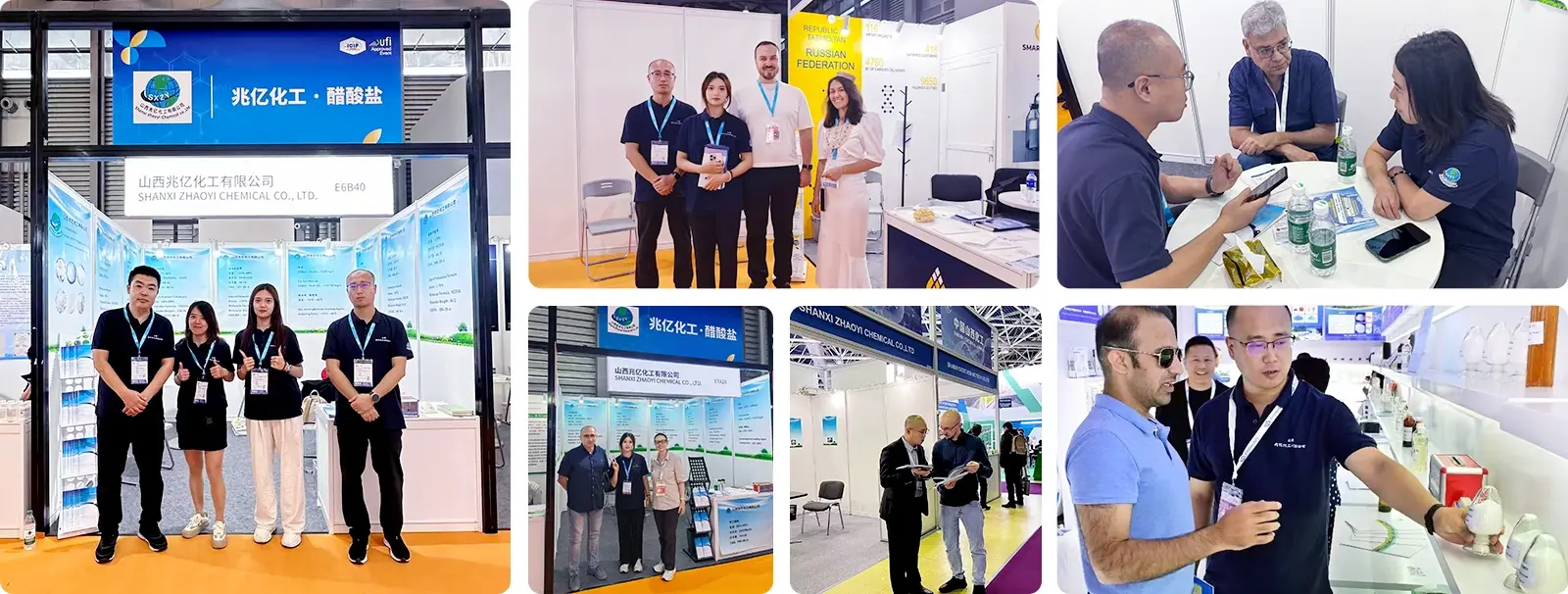
Quality Control and Purity Assurance
Consistency matters in B2B supply. Every batch of this product undergoes strict in-house quality control before dispatch, verified against the following benchmarks:
· No stratification or precipitation at 75% concentration
· pH stability within the 7.5–9.0 buffer range
· Ultra-low impurity levels for Cl, Fe, and heavy metals
· Viscosity compliance ensuring pipeline-friendly flow
Third-party testing is supported and encouraged. Full documentation — including Certificate of Analysis (COA), Material Safety Data Sheet (MSDS), and conformity documents — is prepared in multiple languages to support your regulatory or procurement requirements.
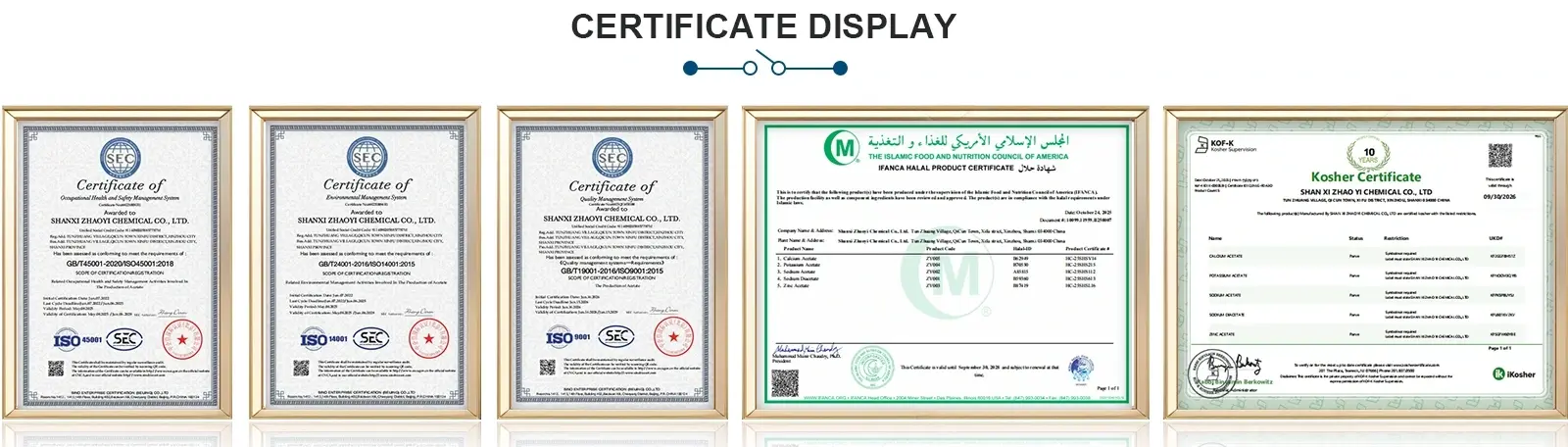
Certifications & Compliance
Shanxi Zhaoyi Chemical Co., Ltd. operates under internationally recognized management systems to support your quality, environmental, and safety compliance needs:
· ISO 9001 — Quality Management System Certification
· ISO 14001 — Environmental Management System Certification
· ISO 45001 — Occupational Health and Safety Management System Certification
· Kosher & Halal Certification — Available for applicable product grades
The firm also has local and foreign clients who do on-site plant audits. We can provide OEM labelling, multi-language documentation and unique package options on request.
Supply & Packaging Advantages
You get reliable, scalable supply backed by a 150,000-ton annual production base and a 27,000 m² facility. Standard lead time is approximately 5–7 working days, with rapid liquid filling capability.
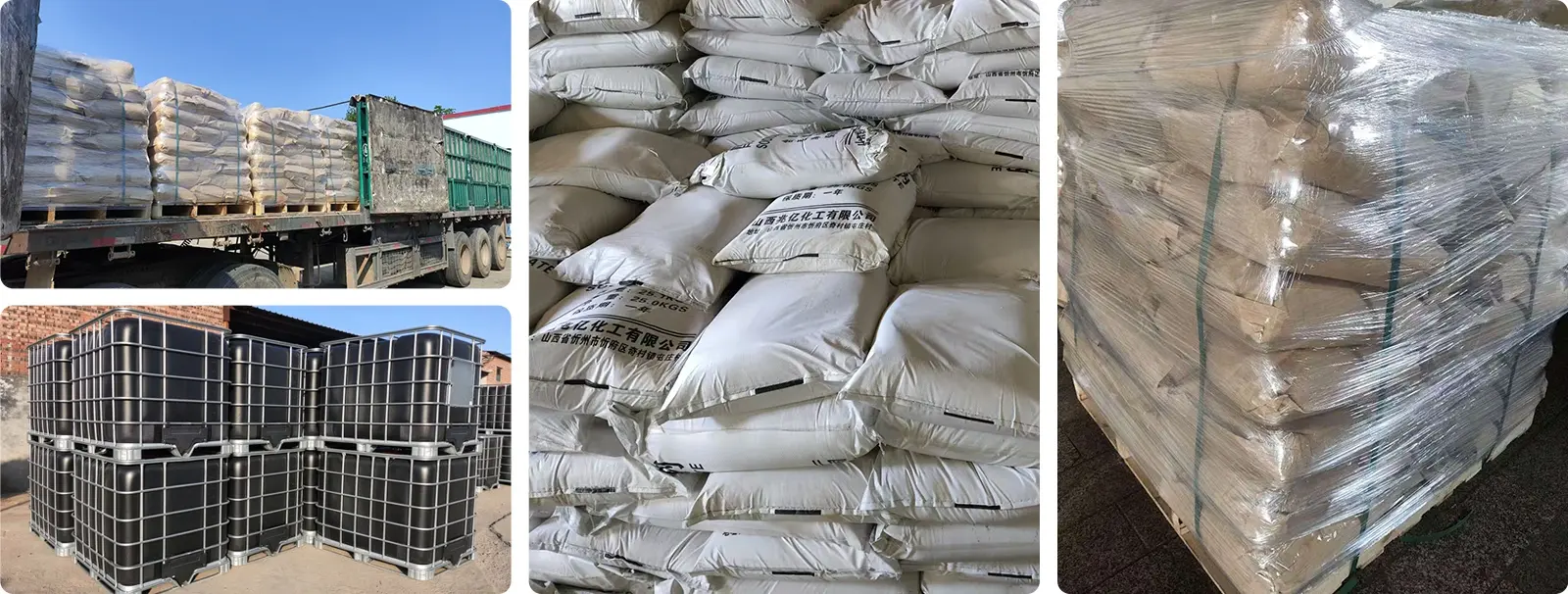
Packaging options for liquid products include:
· 1000L IBC tanks — preferred for bulk industrial use
· Flexibags — ideal for container shipments requiring volume efficiency
The company cooperates with international freight forwarders and supports FOB, CIF, and DAP trade terms. Customs documentation, multilingual shipping paperwork, and chemical import/export compliance assistance are all provided.
FAQ
Q: How does product compare to calcium chloride brines on corrosion?
A: It is far less corrosive. It's not harmful to skin and has extremely little metal corrosivity even at high temperatures, unlike chloride brines which need expensive corrosion inhibitor packages.
Q: Is the liquid recyclable after being used in drilling operations?
A: Sure. Mechanical separation via shale shakers and centrifuges and filtering may recover up to 80–90% of the fluid, making the greater initial cost of the system cost-effective throughout the life of the project.
Q: Is it compatible with viscosifiers such as Xanthan Gum?
A: Yes, with a few tweaks to the method. Standard Xanthan Gum has unique hydration needs in high salinity formate brines. Format grade Xanthan or speciality polymers such as PAC are preferred for best rheology.
Q: How long does the liquid solution last?
A: Technically, the shelf life is infinite if kept in sealed HDPE or stainless steel containers away from strong acids. It does not segregate or break down under typical storage conditions
Q: Why would you utilise a liquid potassium formate catalyst for hydrogenation rather than hydrogen gas?
A: Safety and selectivity. It removes the need for high-pressure autoclaves and explosion mitigation devices and provides more chemoselectivity in the reduction of certain functional groups in complicated compounds.
Q: What are the main issues that it addresses in catalytic reactions?
A: It addresses unstable pH that leads to low yield, catalyst deactivation from poor acid neutralisation, difficulties in dissolving solid formate, and low purity due to impurity contamination – all frequent bottlenecks with inferior-grade formate products.
Contact Us
Ready to source Industrial Catalytic Liquid Potassium Formate? Reach out to our team at sxzy@sxzhaoyi.com — responses within 2 hours.

USER EVALUATE
Here is the customer's evaluation of us