



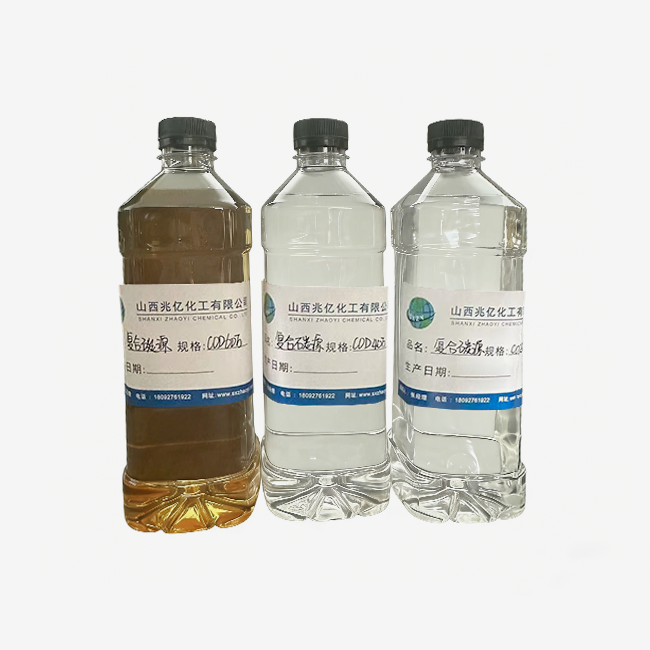
Sewage Composite Carbon Source
Character: Clear near water-white liquid
Usage: Water treatment
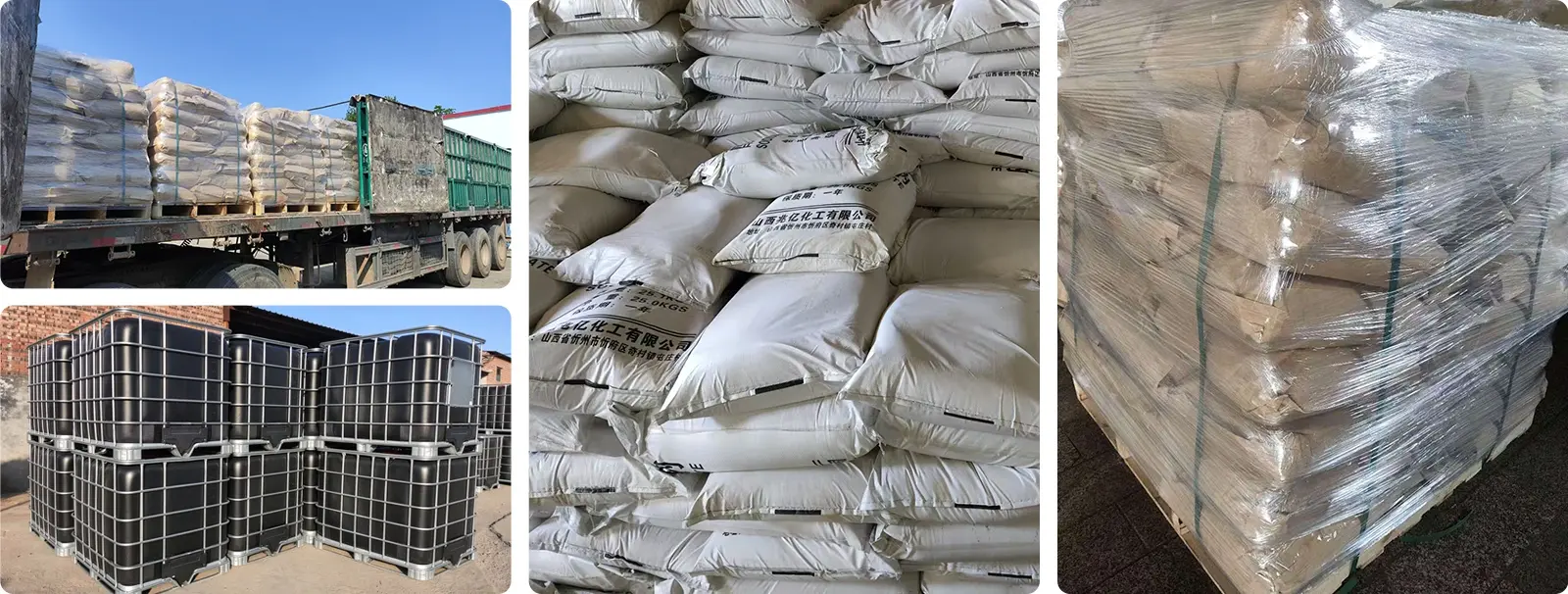
Package: 1000L IBC tank or Flexibag.
Storage: It should be stored in a dry and ventilative warehouse, kept away from heat and moisture during transportation, unloaded with care so as to avoid damage. Furthermore, it must be stored separately from poisonous substances.
- Product Description
Sewage Composite Carbon Source for Wastewater Treatment — High-Efficiency Liquid Denitrification Solution
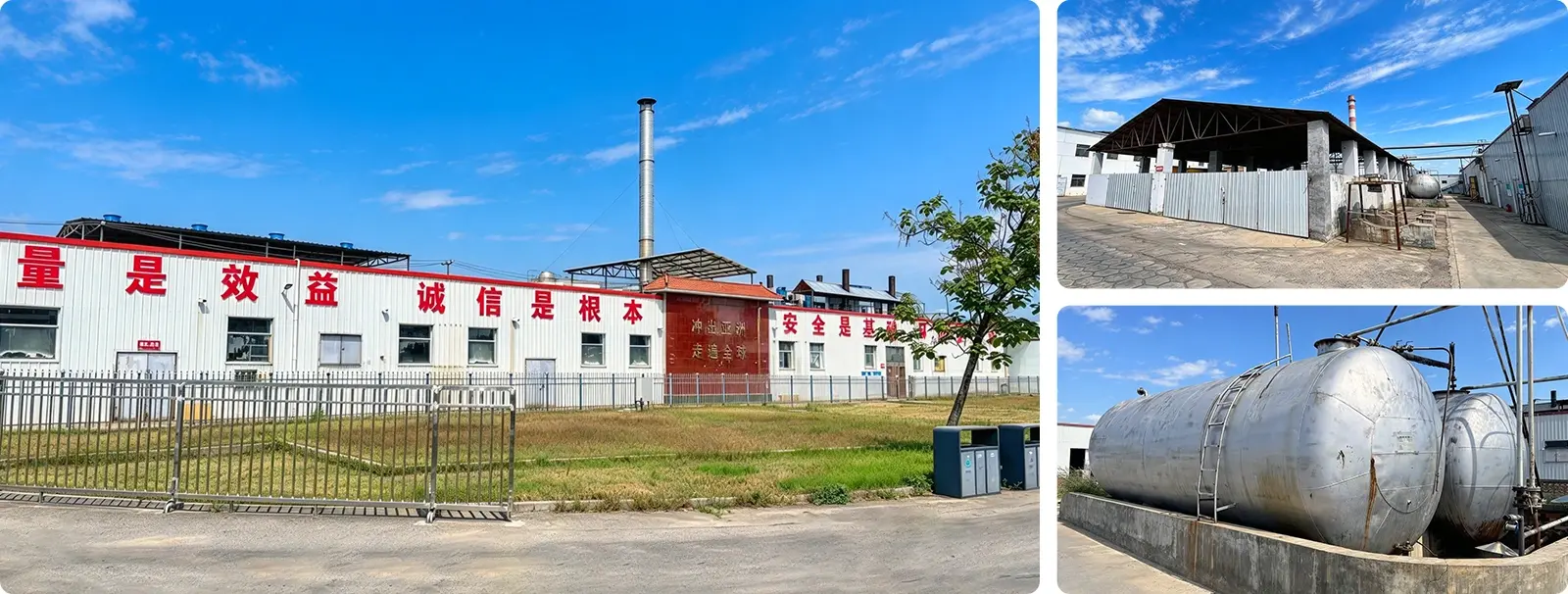
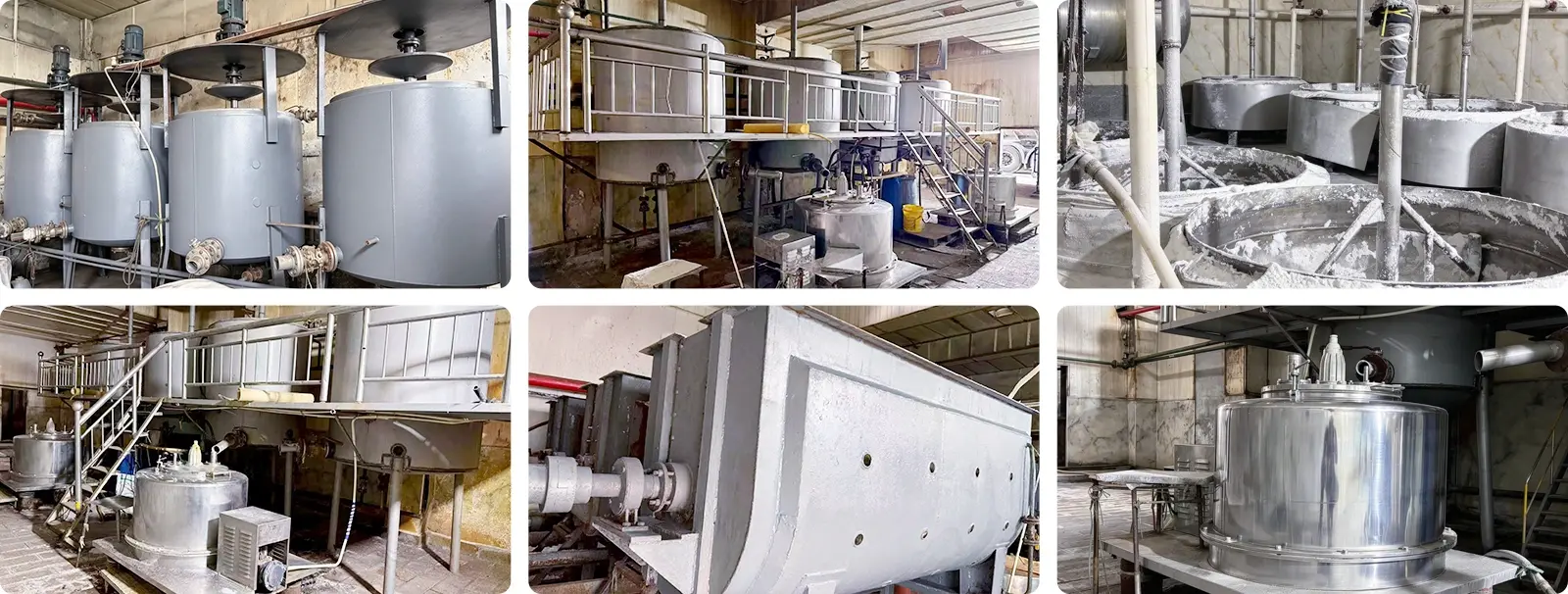
Shanxi Zhaoyi Chemical Co., Ltd. delivers a professionally formulated Sewage Composite Carbon Source built for demanding biological nitrogen removal applications. This near-water-white liquid external carbon source achieves total nitrogen removal rates of 85% or higher, with a BOD5 equivalent ≥ 0.8 mgBOD/mg carbon source. It reduces traditional carbon source dosage by 10–20%, is non-flammable, non-explosive, and leaves no difficult-to-degrade intermediates. Backed by 30+ years of acetate chemistry expertise and an annual production capacity of 150,000 tons, our composite carbon source delivers consistent batch quality and stable supply for municipal and industrial wastewater projects worldwide.
Technical Specifications
Parameter | Specification |
Appearance | Clear near water-white liquid |
CODcr Range | 15.6×10⁴ – 110×10⁴ mg/L |
BOD₅/COD Ratio | ≥0.8 |
Total Nitrogen Content | <0.05% |
Total Phosphorus Content | <0.01% |
pH Value | 6.0 – 8.0 |
Density (20°C) | 1.10 – 1.25 g/cm³ |
Operating Temperature | 5°C – 35°C |
Heavy Metals (As, Pb, Cd, Cr) | <10 ppm (total) |
Shelf Life | 12 months (proper storage) |
What Makes This Liquid Carbon Source Different?
Methanol and glucose, the conventional carbon sources, have significant disadvantages. Methanol is combustible and must be stored in expensive explosion-proof facilities. Glucose may also promote development of filamentous bacteria, resulting in sludge thickening and poor settling.
This liquid carbon source denitrification solution is built in a unique way. Its mixed molecular structure gives it a wide range of carbon chains, including short-chain acetates, alcohols, and biological promoters, so bacteria that break down nitrogen can use it right away without having to wait for it to get used to it.
This leads to quick and steady nitrogen removal that keeps your sewage within Class I-A discharge standards (TN ≤ 15 mg/L), even when the loads going into the system change.
Core Product Features & Technical Advantages
High Microbial Utilization Rate
The BOD5 equivalent of 0.8 mg/mg makes sure that the carbon delivered can be used by living things, not just broken down chemically. You're paying for working carbon, not filler that doesn't do anything.
Safe and Non-Dangerous Chemistry
This chemical product is not dangerous. Since it is not dangerous or harmful, it does not need to be stored in explosion-proof areas. Right now, this lowers your costs for safety standards and infrastructure needs.
Reliability in Cold Weather
The mixed recipe has antifreeze and metabolic boosters that keep the denitrification rate at over 85% even when the water temperature is as low as 5°C to 8°C. In the winter, the regular sodium acetate might turn into crystals. This option will keep your business running smoothly all year.
Sludge-Safe Formula
In high grade composite sources floc forming bacteria will be favored over filamentous species. Stable Sludge Volume Index (SVI) to prevent bulking failures in your secondary clarifiers.
Difficult to Degrade No Intermediates
Biological systems totally digest the product. It does not generate refractory byproducts that decrease the downstream sludge treatment load and ease the biosolid disposal compliance.
Sewage Composite Carbon Source vs Other Products
Feature | Sewage Composite Carbon Source | Sodium Acetate | Methanol | Glucose |
Cost Efficiency | High (20-40% savings) | Moderate | Low | Moderate |
Safety Classification | Non-hazardous | Non-hazardous | Flammable (Class 3) | Non-hazardous |
Low-Temp Performance (5-8°C) | Excellent (>85% efficiency) | Poor (crystallizes) | Moderate | Poor |
Sludge Bulking Risk | Minimal | Minimal | Low | High |
Biodegradability | Complete (BOD₅/COD ≥0.8) | Complete | Complete | Partial |
Storage Requirements | Standard tanks | Standard tanks | Explosion-proof | Standard tanks |
Secondary Pollution | None (low N, P) | None | None | Potential (high sludge) |
Application Scenarios
Municipal Wastewater Treatment Plant Upgrades
When plants go from Class I-B to Class I-A standards, they have to deal with a big problem: changes in influent carbon that cause TN levels to rise. This product is added directly to the anoxic tank or post-denitrification filters. It makes up for influents with a low C/N ratio without the need for major infrastructure expansion.
Heavy loads of nitrates in industrial wastewater
Chemical, pharmaceutical, and electroplating plants often make wastewater that is high in nitrogen and low in organics that can be broken down by nature. As an outside source of carbon for treating wastewater, this solution gives heterotrophic denitrifiers the easily biodegradable COD (rbCOD) they need to work, even in settings that are poisonous.
Operations at Low Temperatures and High Altitudes
In the winter, microbes move more slowly in places like the north and plants that grow high up. The anti-freeze and metabolic boosters in the composite formulation keep reaction rates high when regular carbon sources don't work as well.
Quality Control & Inspection Standards
For B2B procurement decisions, quality assurance goes beyond the product label. Here is how this product is verified:
COD Content Verification
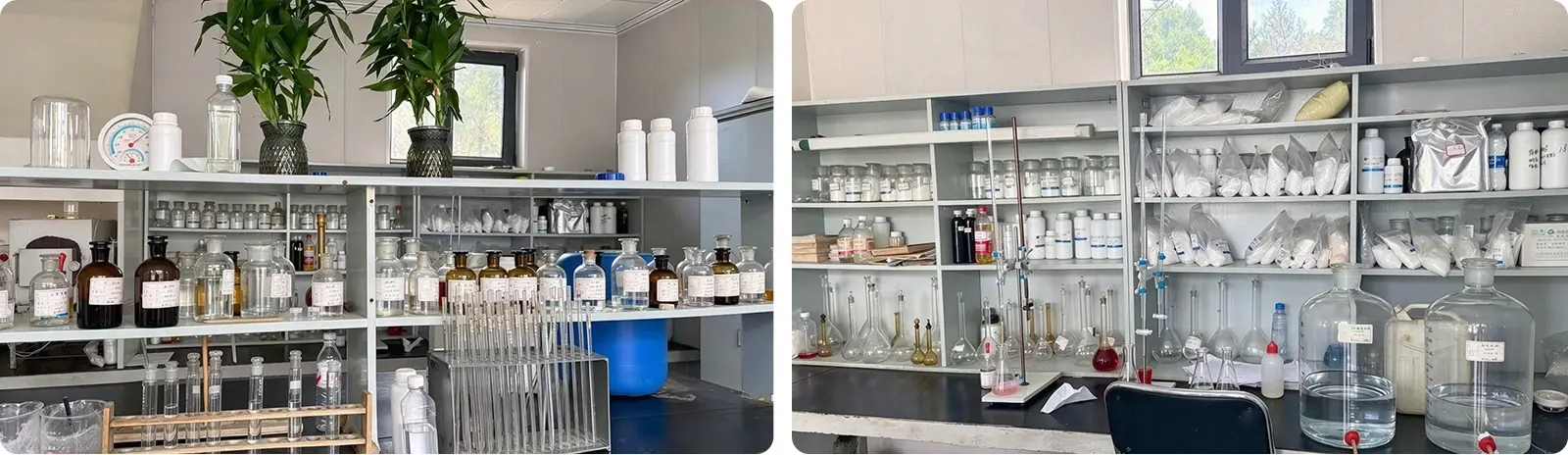
Every batch is tested using the standard Dichromate Method to confirm COD ≥ 300,000 mg/L. This guarantees you are purchasing actual effective carbon, not diluted solution.
Impurity Analysis — TN & TP
To keep the treated effluent from getting polluted again, a good composite carbon source should add very little nitrogen (TN < 0.05%) and phosphorus. In this way, all batches are checked.
Ratio of biodegradability (BOD/COD)
If the BOD/COD ratio is high, it means that the carbon is available to living things. Low ratios mean that the matter is not breaking down and is wasting money on treatment that doesn't help with denitrification.
Screening for Heavy Metals
Strict testing for arsenic, lead, cadmium, and chromium keeps your activated sludge from getting clogged up and makes sure your biosolids meet the rules for disposal.
Testing for Stability and Fluidity
Viscosity tests and low-temperature fluidity tests show that dosing pumps won't get clogged up during the winter.

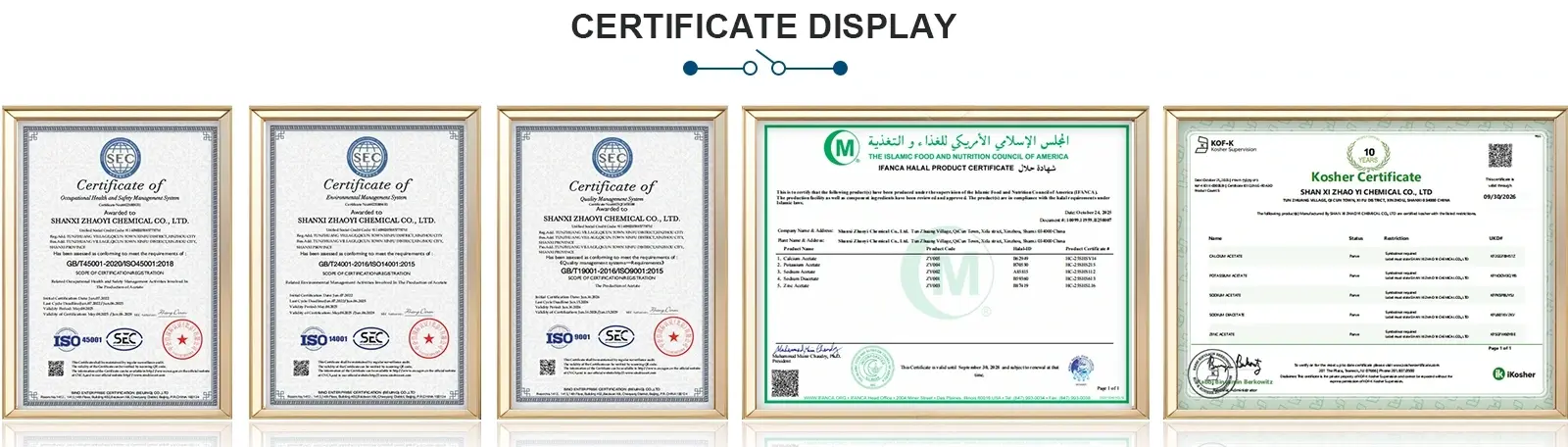
Certifications & Compliance
Shanxi Zhaoyi Chemical uses management methods that are known all over the world. These certifications help with your Sewage Composite Carbon Source supplier qualification audits and meeting the requirements for buying things that are legal.
- ISO 9001 — Quality Management System
- ISO 14001 — Environmental Management System
- ISO 45001 — Occupational Health and Safety Management System
Kosher Certification
Halal Certification (applicable food-grade products)
On-site factory audits by domestic and international customers are fully supported. Complete documentation including MSDS, COA, and conformity certificates is available in multiple languages.
Packaging & Storage
The product comes in 1,000 L IBC tanks or Flexibags, which means it can be used with most wastewater treatment facilities' standard chemical dosing equipment.
Keep away from heat and moisture in a dry warehouse with good air flow. Be careful when moving the package to keep it from getting damaged. Must be kept away from dangerous substances. Do not put it in freezing temperatures without first talking to our expert team.
FAQ
Q: How does this product compare to sodium acetate in cost performance?
A:While sodium acetate acts slightly faster, composite carbon sources are typically 20–40% more cost-effective per unit of TN removed. Their broader carbon chain spectrum prevents microbial selectivity and provides sustained carbon release, reducing overall sewage treatment carbon source cost per ton of nitrogen removed.
Q: How do I calculate the correct dosage?
A:To find the dosage, divide the target TN removal by the theoretical C/N ratio. The outcome is the COD value of the product. The C/N ratio is usually between 4:1 and 6:1, but it can be different based on how much free oxygen is in the water and how much it circulates inside the system. Our expert team can help you figure out the right dose for each spot for free.
Q: If I switch to this product, will the sludge get thicker?
A:No. This mixture is better for floc-forming bacteria than glucose or methanol, which can cause filamentous bacteria to grow too much if they are overdosed. The sludge settling qualities (SVI) stay the same during and after the change.
Q: Is it safe to store and move the item?
A:Yes. This item is not dangerous because it is not burning or harmful. There is no need for explosion-proof storage facilities, which makes fire safety rules easier to follow and lowers the cost of managing the facilities. It's a good option for teams that need to put safety first when looking at composite carbon source suppliers.
Q: How does it perform in cold winter conditions?
A:The composite formulation includes metabolic boosters and alcohols that maintain cell membrane fluidity in denitrifying bacteria. Denitrification efficiency remains above 85% at temperatures as low as 5°C–8°C, outperforming single-compound carbon sources in cold climates.
Q: What is the typical lead time and minimum order quantity?
A:Standard lead time is 5–7 working days. Stock orders can be dispatched within 24 hours. We support both small trial orders and large-volume supply contracts. Contact us to discuss your volume requirements and pricing for liquid carbon source denitrification projects.
Contact Us
Ready to optimize your denitrification process with Sewage Composite Carbon Source? Reach out to our technical team at sxzy@sxzhaoyi.com — response within 2 hours guaranteed.

USER EVALUATE
Here is the customer's evaluation of us
YOU MAY LIKE
 VIEW MOREOilfield Liquid Potassium Formate
 VIEW MOREOrganic Agricultural Solid Potassium Formate
- VIEW MOREAgricultural Liquid Potassium Acetate
 VIEW MORESnow Melting Solid Potassium Acetate
 VIEW MOREPharmaceutical Excipient Sodium Acetate Anhydrous
 VIEW MOREAntibiotic Sodium Acetate Trihydrate
 VIEW MORESewage Sodium Acetate Anhydrous
 VIEW MOREDrilling Solid Potassium Formate